Nagaland University discovers new plant species in state
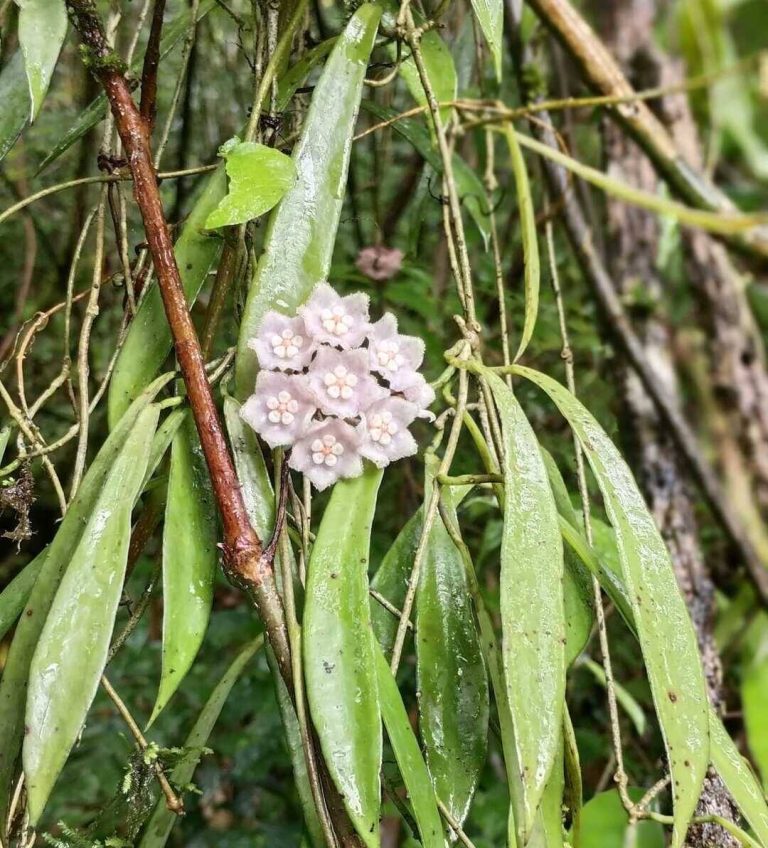
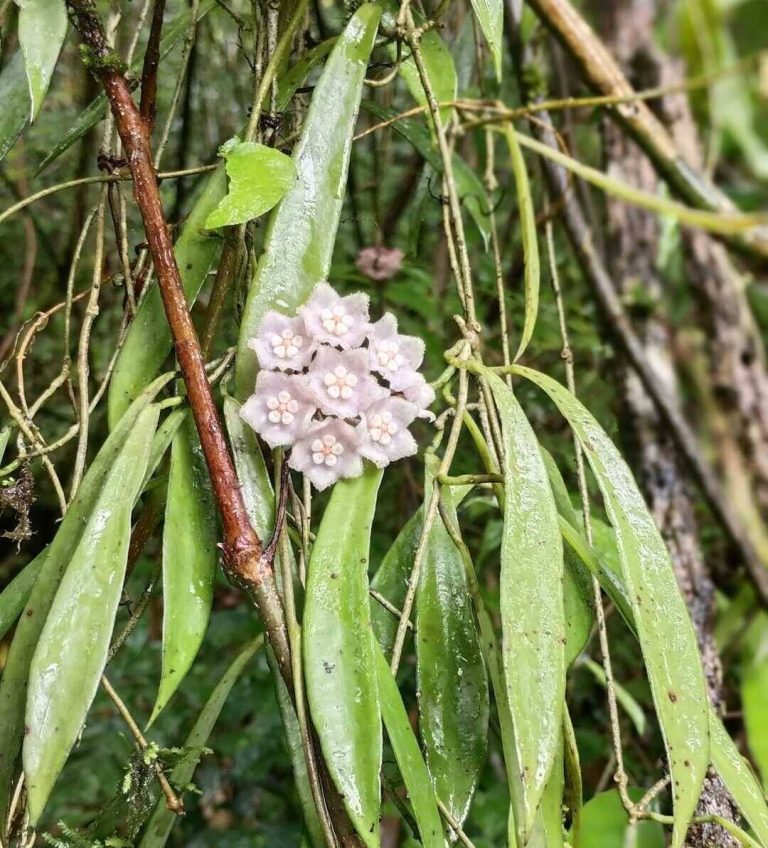
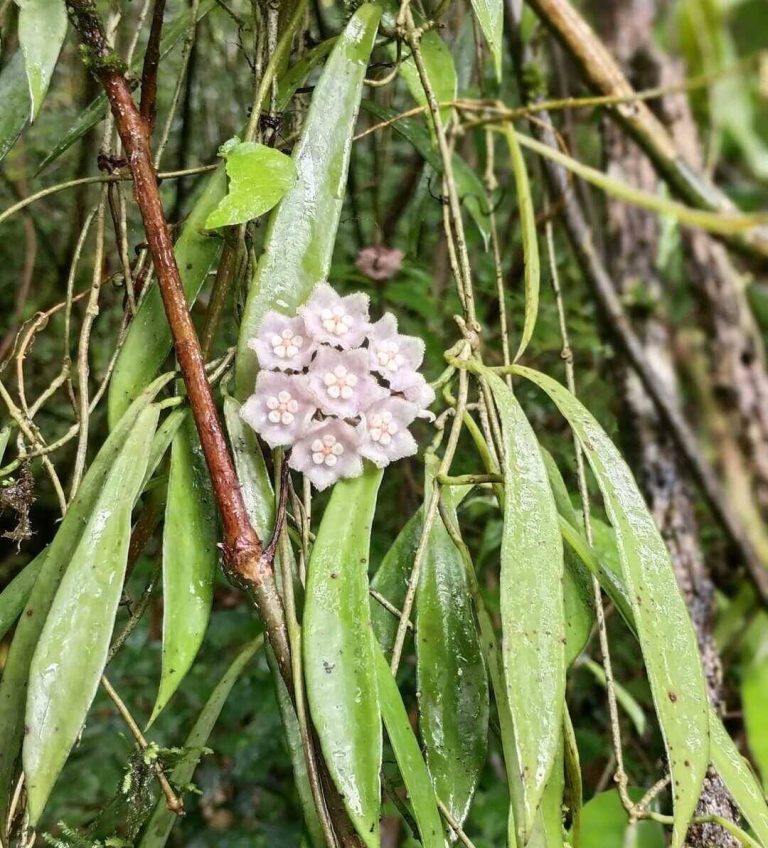
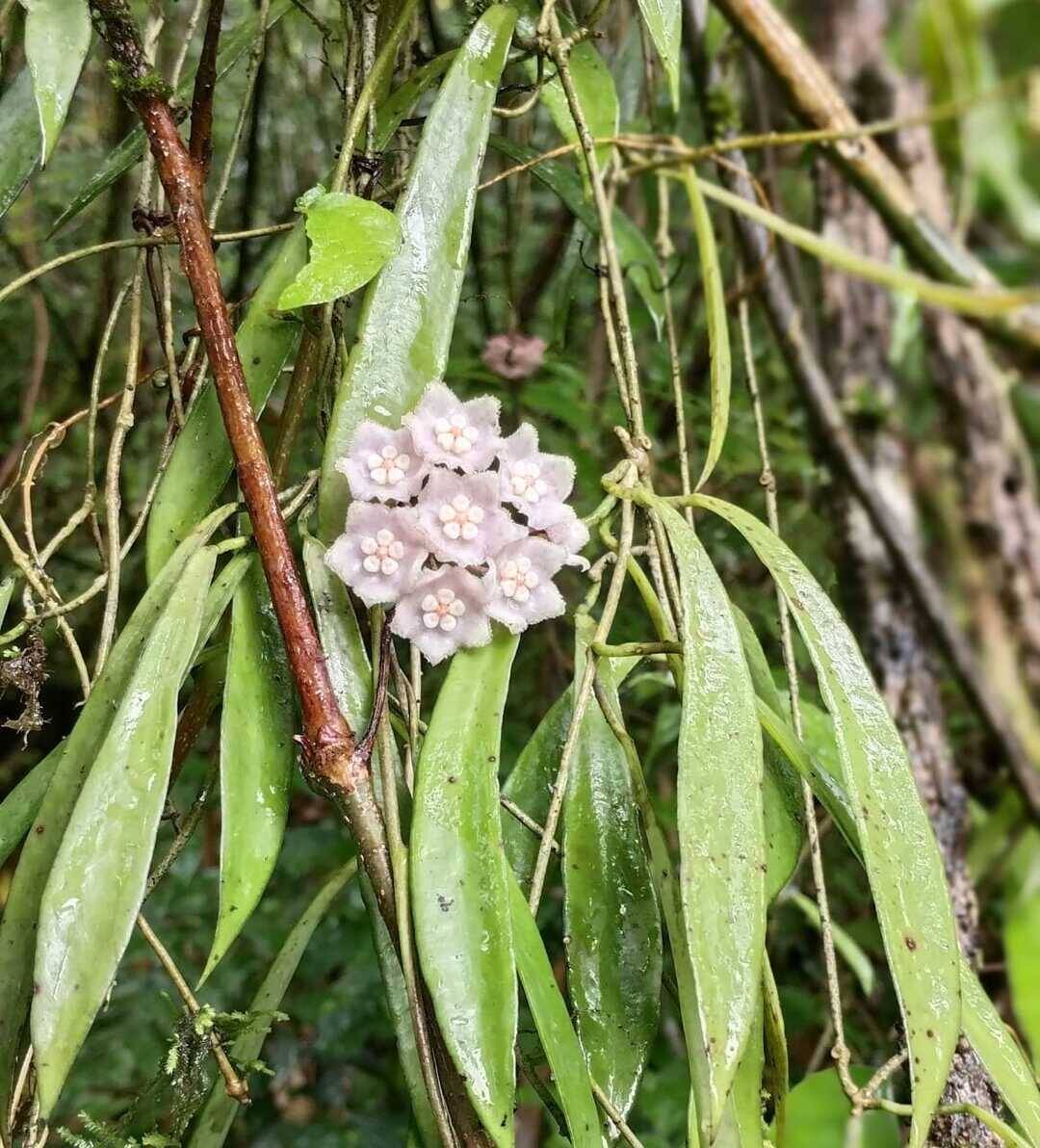
In a groundbreaking discovery, scientists from Nagaland University have identified a new plant species, Hoya nagaensis, in the community-protected high-altitude forests of Nagaland. The finding, which was made in the Phek district, highlights the rich but under-explored biodiversity of the region and underscores the importance of indigenous forest conservation practices. The newly discovered species has been provisionally listed as Critically Endangered, emphasizing the need for urgent conservation efforts to protect it.
The discovery of Hoya nagaensis is a significant milestone in the field of botany, as it sheds new light on the unique flora of Nagaland. The state, located in the northeastern part of India, is known for its diverse geography and climate, which supports a wide range of plant and animal species. However, despite its rich biodiversity, Nagaland’s flora remains largely unexplored, and many species remain unknown to science.
The team of scientists from Nagaland University, led by Dr. [Name], conducted an extensive survey of the community-protected forests in Phek district, which is known for its high-altitude forests and unique flora. The team used a combination of traditional taxonomic methods and modern techniques, such as DNA sequencing, to identify and characterize the new species.
Hoya nagaensis is a member of the Apocynaceae family, which includes a wide range of plant species, including vines, shrubs, and trees. The new species is characterized by its distinctive leaf shape, flower structure, and fruit morphology. Preliminary analysis suggests that Hoya nagaensis is closely related to other Hoya species found in the region, but it exhibits several unique characteristics that set it apart from its relatives.
The discovery of Hoya nagaensis is not only significant from a scientific perspective but also highlights the importance of community-protected forests in conserving biodiversity. The community-protected forests of Nagaland are managed and protected by local communities, who have traditionally conserved and managed these forests for their livelihood and cultural practices. The discovery of the new species in these forests underscores the effectiveness of indigenous forest conservation practices in maintaining biodiversity.
The provisional listing of Hoya nagaensis as Critically Endangered is a cause for concern, as it highlights the vulnerability of the species to extinction. The main threats to the species include habitat loss and degradation, over-exploitation, and climate change. The scientists have recommended urgent conservation efforts, including the establishment of protected areas, habitat restoration, and ex-situ conservation, to protect the species and its habitat.
The discovery of Hoya nagaensis is a significant achievement for Nagaland University and the scientific community, and it highlights the importance of continued exploration and research into the region’s unique flora. The finding also underscores the need for collaborative efforts between scientists, local communities, and policymakers to conserve and protect the region’s biodiversity.
In conclusion, the discovery of Hoya nagaensis is a significant milestone in the field of botany, and it highlights the rich but under-explored biodiversity of Nagaland. The finding emphasizes the importance of indigenous forest conservation practices and the need for urgent conservation efforts to protect the species and its habitat. As we continue to explore and learn more about the unique flora of Nagaland, we are reminded of the importance of preserving our natural heritage for future generations.
About the Author