Nagaland University discovers new plant species in state
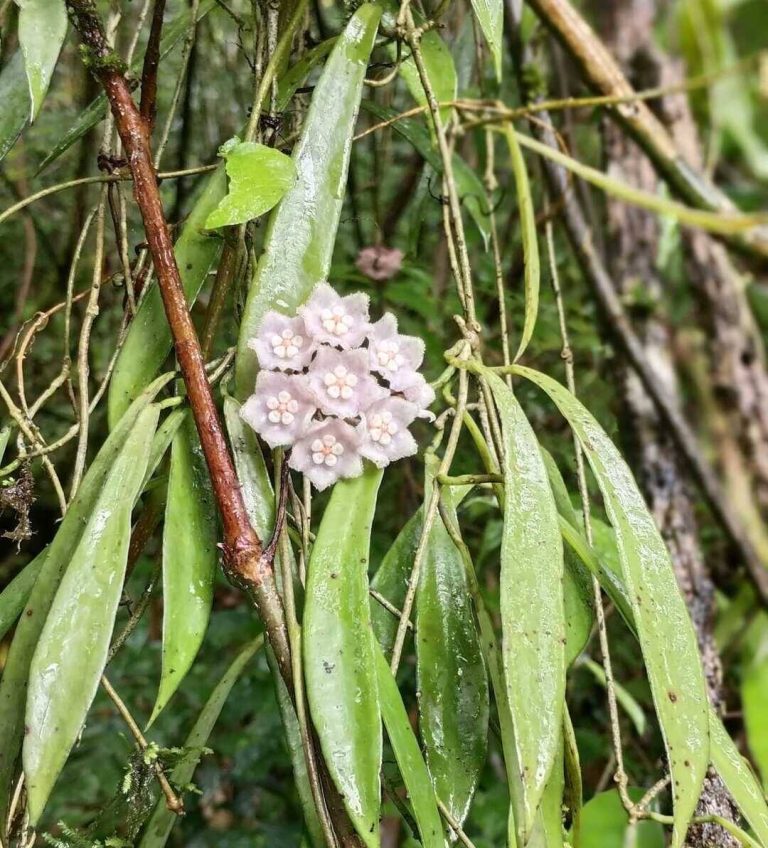
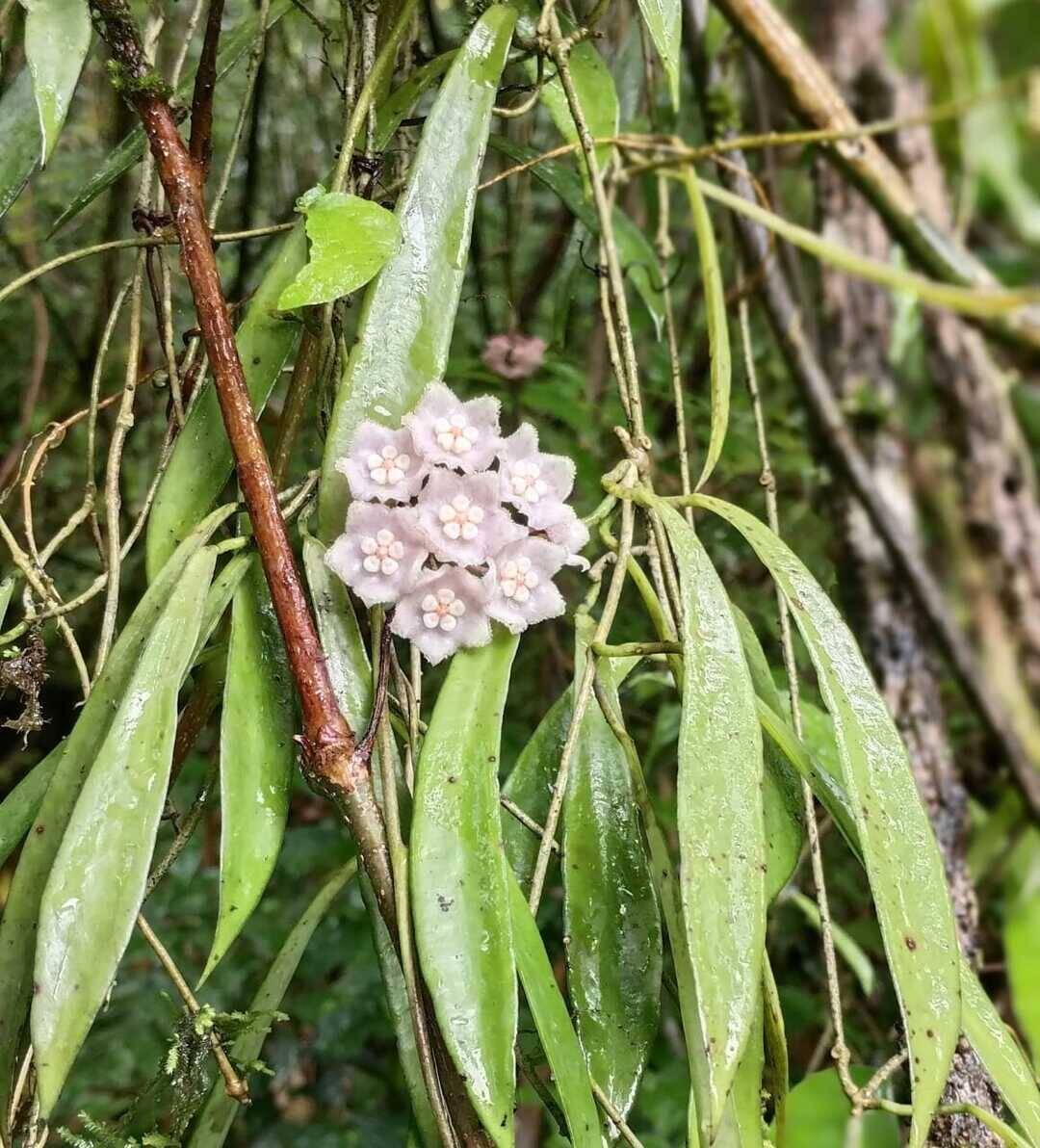
In a groundbreaking discovery, scientists from Nagaland University have identified a new plant species, Hoya nagaensis, in the community-protected high-altitude forests of Nagaland. The finding, which was made in the Phek district, has significant implications for our understanding of the region’s rich biodiversity and highlights the crucial role of indigenous forest conservation practices. The newly discovered species has been provisionally listed as Critically Endangered, underscoring the need for urgent conservation efforts to protect this unique and fragile ecosystem.
The discovery of Hoya nagaensis is a testament to the region’s under-explored biodiversity, which has been hidden in plain sight for centuries. The high-altitude forests of Nagaland are home to a vast array of plant and animal species, many of which are found nowhere else on the planet. The region’s unique geography, with its rugged terrain and diverse microclimates, has created a haven for endemic species to thrive. However, this biodiversity is under threat from deforestation, habitat fragmentation, and climate change, making the discovery of new species like Hoya nagaensis all the more significant.
The team of scientists from Nagaland University, who made the discovery, were conducting a comprehensive survey of the region’s flora when they stumbled upon the new species. The plant, which belongs to the genus Hoya, is characterized by its distinctive leaves and flowers, which are unlike any other known species in the region. The scientists used a combination of traditional taxonomic techniques and modern molecular analysis to confirm the identity of the new species.
The discovery of Hoya nagaensis has significant implications for our understanding of the region’s evolutionary history. The species is thought to have evolved in isolation, over millions of years, in the high-altitude forests of Nagaland. This has resulted in a unique set of adaptations, which have enabled the plant to thrive in this challenging environment. The study of Hoya nagaensis and other endemic species in the region can provide valuable insights into the processes that shape biodiversity and the evolution of new species.
The community-protected forests of Nagaland, where the new species was discovered, are a testament to the effectiveness of indigenous forest conservation practices. For centuries, local communities have protected and managed these forests, using traditional knowledge and practices to maintain the delicate balance of the ecosystem. The discovery of Hoya nagaensis highlights the importance of preserving these traditional practices and recognizing the role of local communities in conservation efforts.
The provisional listing of Hoya nagaensis as Critically Endangered is a cause for concern, as it highlights the urgent need for conservation efforts to protect this species. The main threats to the species are habitat loss and fragmentation, due to deforestation and infrastructure development, as well as climate change, which is altering the delicate balance of the ecosystem. To address these threats, conservation efforts must be tailored to the specific needs of the species and the ecosystem as a whole.
The discovery of Hoya nagaensis is a significant milestone in the field of botany and conservation biology. It highlights the importance of exploring and protecting the world’s most biodiverse ecosystems, which are often found in remote and inaccessible regions. The discovery also underscores the need for collaborative conservation efforts, which bring together local communities, scientists, and policymakers to protect the world’s most vulnerable species.
In conclusion, the discovery of Hoya nagaensis is a groundbreaking finding that highlights the rich biodiversity of Nagaland and the importance of indigenous forest conservation practices. The provisional listing of the species as Critically Endangered is a call to action, underscoring the need for urgent conservation efforts to protect this unique and fragile ecosystem. As we continue to explore and understand the natural world, discoveries like Hoya nagaensis remind us of the awe-inspiring complexity and beauty of the world around us.
About the Author