Nagaland University discovers new plant species in state
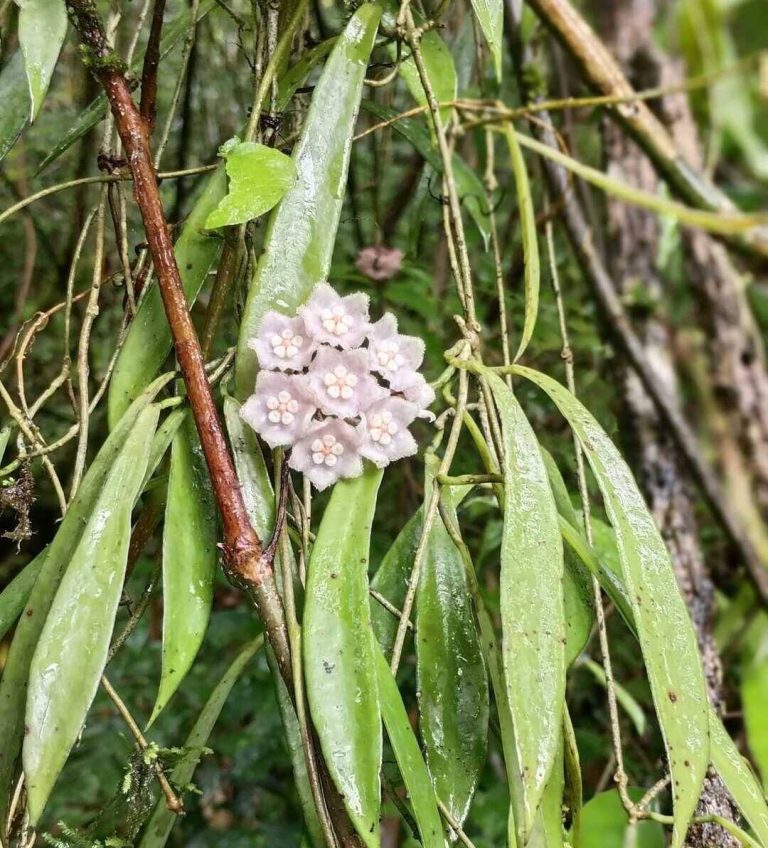
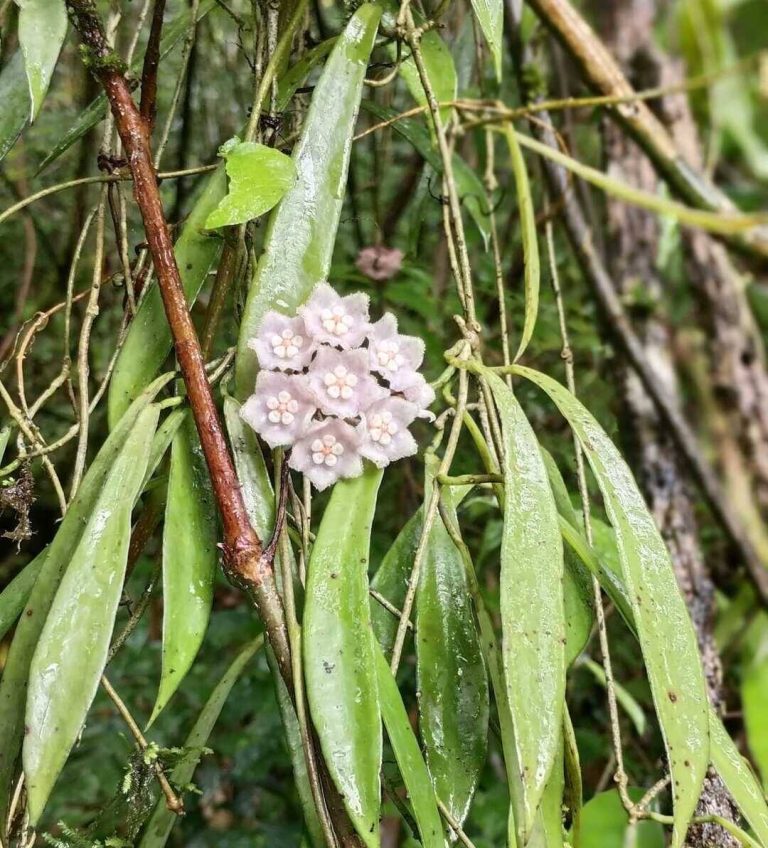
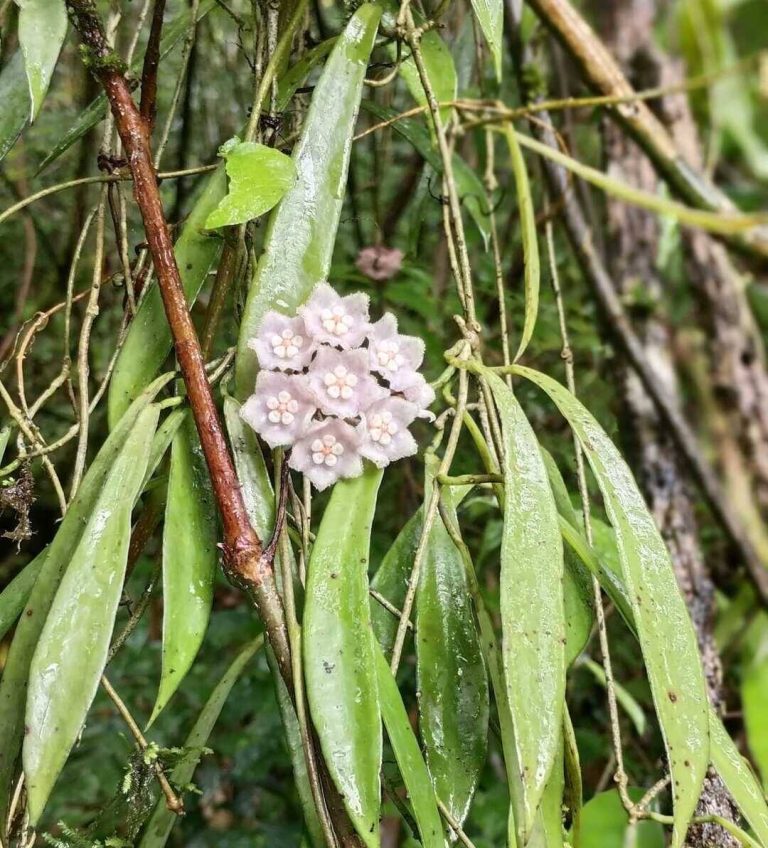
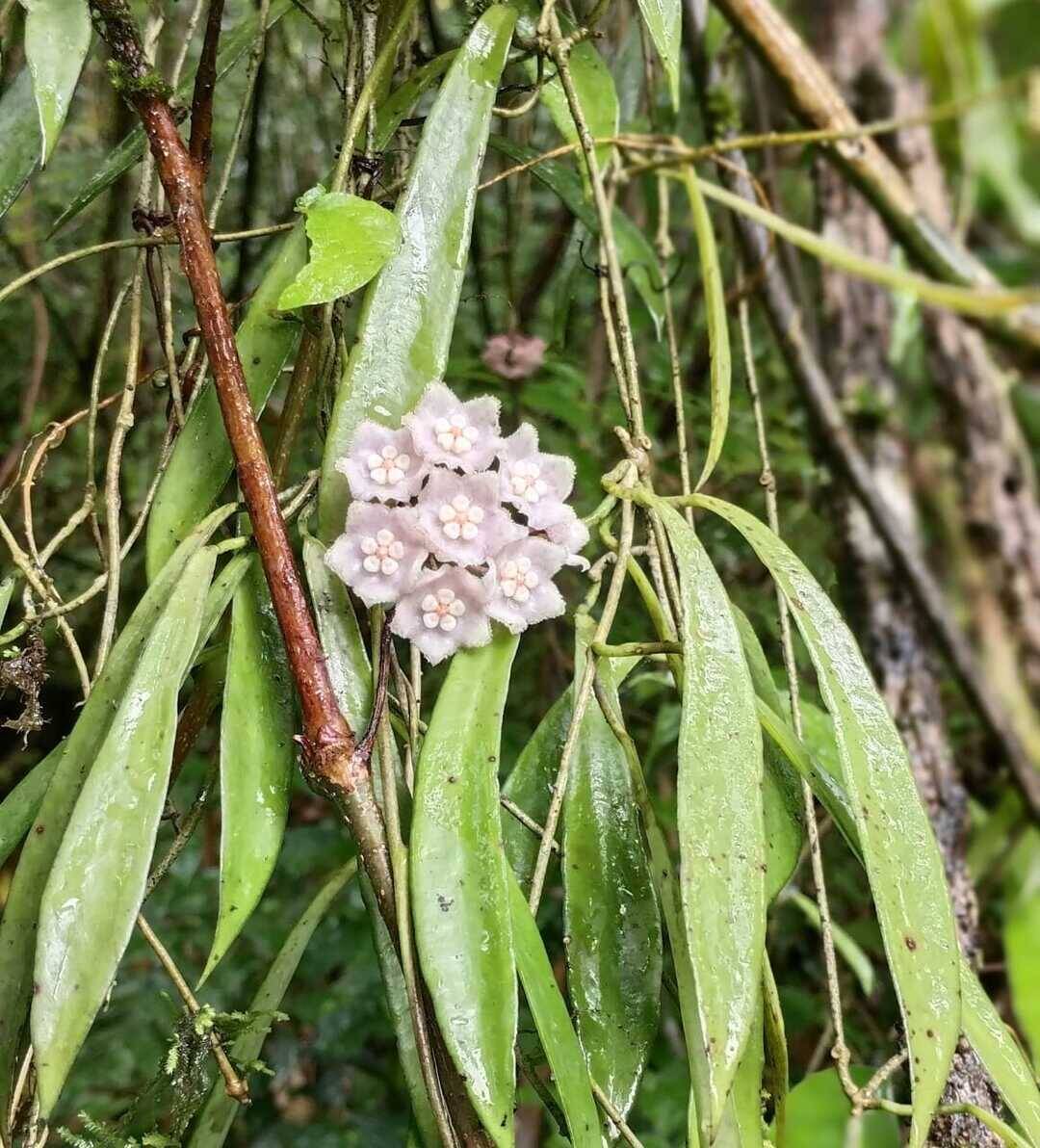
In a groundbreaking discovery, scientists from Nagaland University have identified a new plant species, Hoya nagaensis, in the community-protected high-altitude forests of Nagaland. The finding, which was made in the Phek district of the state, has significant implications for our understanding of the region’s biodiversity and highlights the importance of indigenous forest conservation practices.
The discovery of Hoya nagaensis is a testament to the rich and unique biodiversity of Nagaland, a state located in the northeastern part of India. The region is home to a wide range of flora and fauna, many of which are found nowhere else in the world. However, despite its natural wealth, Nagaland’s biodiversity remains under-explored, and many species remain unknown to science.
The new plant species, Hoya nagaensis, is a member of the Apocynaceae family and is characterized by its distinctive leaves and flowers. According to the scientists who made the discovery, the species is provisionally listed as Critically Endangered due to its limited geographic range and the threats it faces from habitat loss and degradation.
The discovery of Hoya nagaensis was made possible by the collaborative efforts of scientists from Nagaland University and local community members. The team conducted extensive field surveys in the high-altitude forests of Phek district, where they collected and analyzed plant specimens. The scientists used a combination of traditional taxonomic methods and modern molecular techniques to identify the new species and determine its relationships to other known species.
The discovery of Hoya nagaensis highlights the importance of community-protected forests in conserving biodiversity. The forests where the new species was found are managed and protected by local communities, who have traditionally conserved the area for its cultural, spiritual, and economic significance. The community-protected forests of Nagaland are a testament to the effectiveness of indigenous forest conservation practices, which have helped to maintain the region’s biodiversity despite the many threats it faces.
The discovery of Hoya nagaensis also underscores the need for further research and conservation efforts in Nagaland. The state’s biodiversity is facing numerous threats, including deforestation, habitat fragmentation, and climate change. To address these challenges, it is essential to develop and implement effective conservation strategies that take into account the unique cultural, social, and ecological context of the region.
The scientists who made the discovery are calling for increased support for conservation efforts in Nagaland, including the protection of community-protected forests and the development of sustainable livelihoods for local communities. They also emphasize the need for further research into the region’s biodiversity, including the discovery and description of new species.
The discovery of Hoya nagaensis is a significant breakthrough for Nagaland University and the scientific community, and it highlights the importance of collaborative research and conservation efforts. The finding also underscores the need for increased awareness and appreciation of the region’s unique biodiversity and the importance of protecting it for future generations.
In conclusion, the discovery of Hoya nagaensis is a major milestone for Nagaland University and the scientific community. The finding highlights the region’s rich but under-explored biodiversity and the crucial role of indigenous forest conservation practices in maintaining it. As we move forward, it is essential to develop and implement effective conservation strategies that take into account the unique cultural, social, and ecological context of the region.
The discovery of Hoya nagaensis is a reminder of the importance of preserving our natural heritage and the need for continued research and conservation efforts. As we celebrate this significant breakthrough, we must also recognize the challenges that lie ahead and work together to protect the region’s biodiversity for future generations.
About the Author