Nagaland University discovers new plant species in state
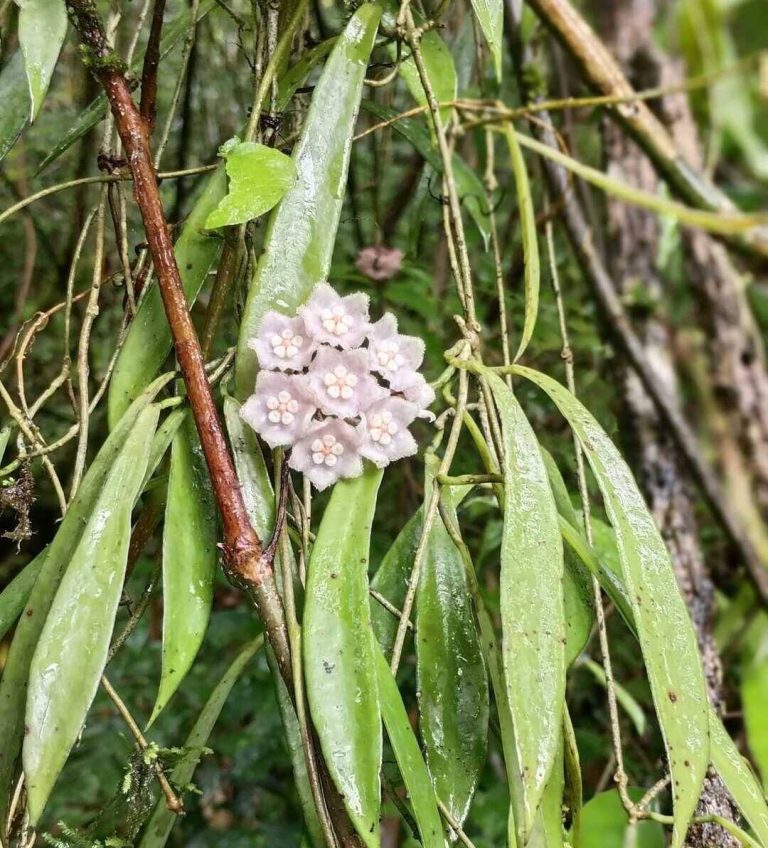
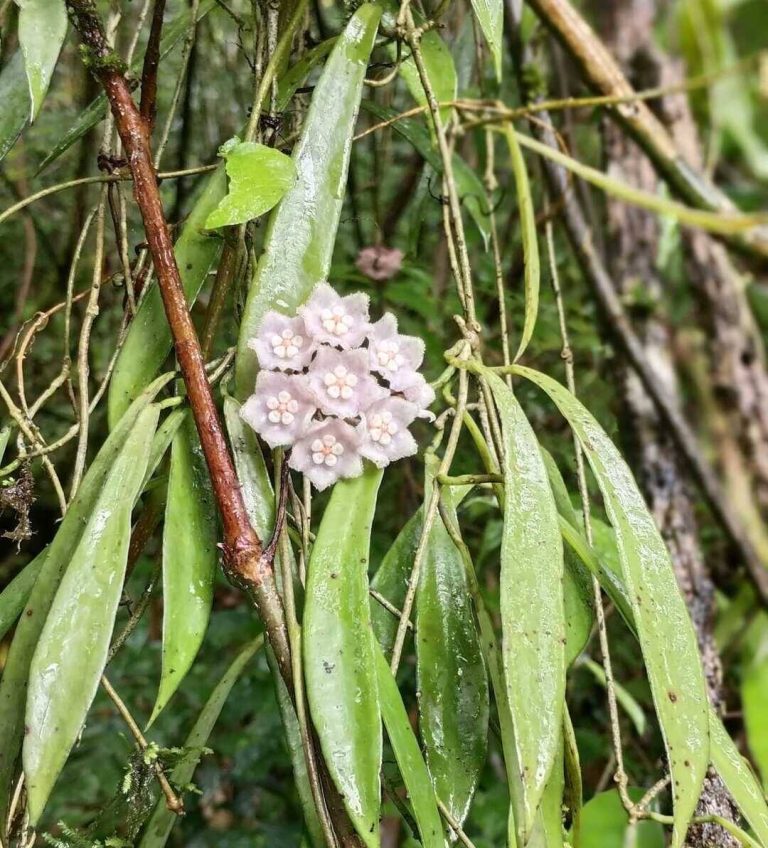
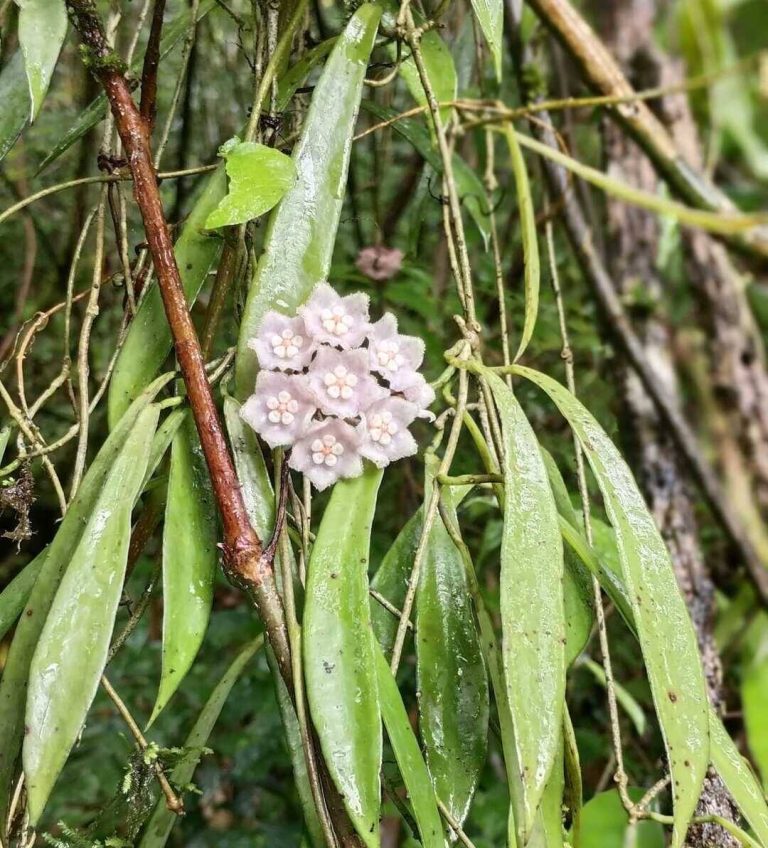
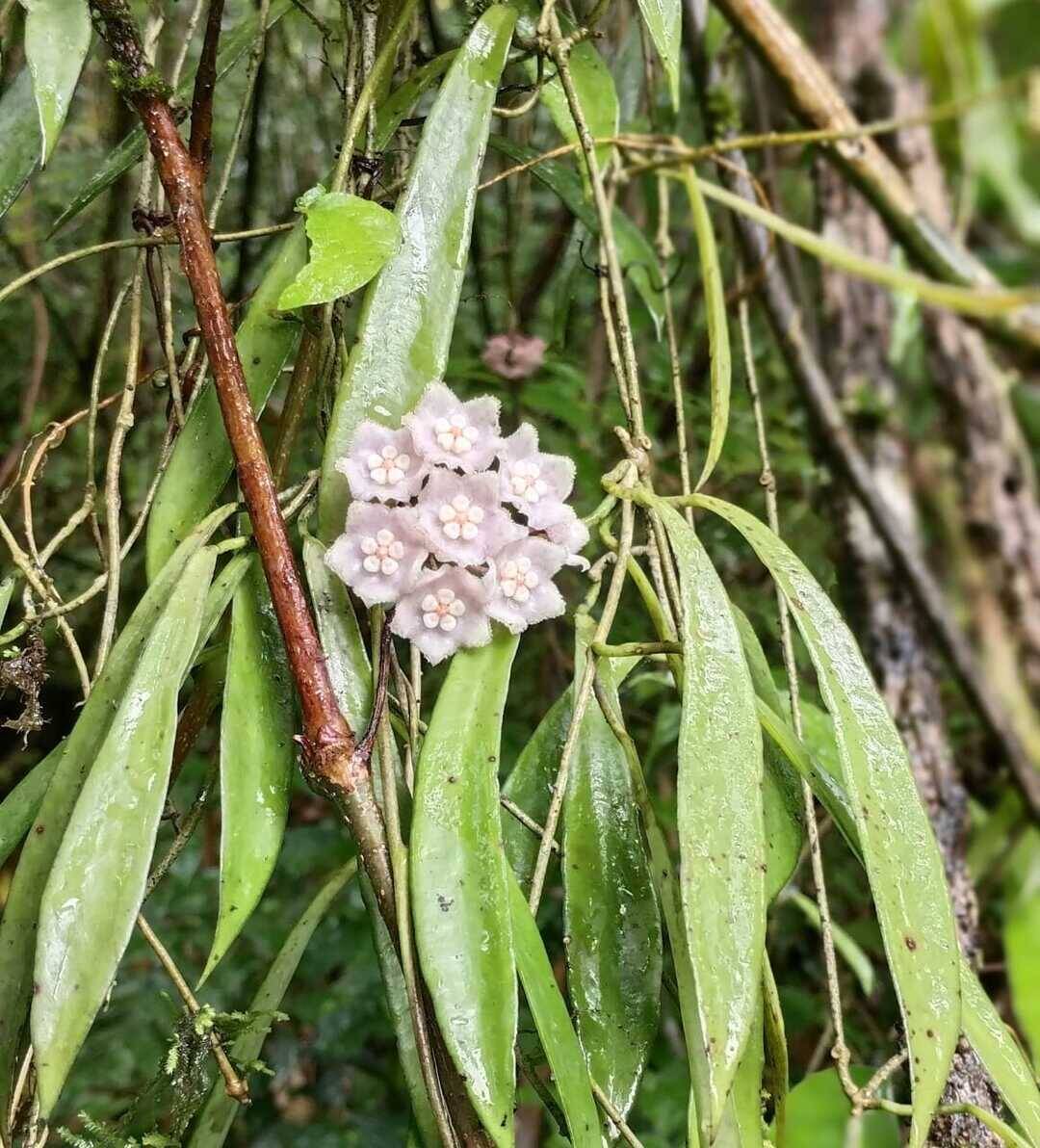
In a groundbreaking discovery, scientists from Nagaland University have identified a new plant species, Hoya nagaensis, in the community-protected high-altitude forests of Nagaland. The finding, which highlights the region’s rich but under-explored biodiversity, has been met with excitement and curiosity in the scientific community. The new species, found in the Phek district of Nagaland, has been provisionally listed as Critically Endangered, emphasizing the need for conservation efforts to protect this unique plant.
The discovery of Hoya nagaensis is a significant milestone in the field of botany, as it underscores the importance of exploring and preserving the natural habitats of Nagaland. The state, located in the northeastern part of India, is known for its stunning natural beauty and diverse ecosystems. The region’s unique geography, with its rugged terrain and varied climate, has given rise to a wide range of flora and fauna, many of which are found nowhere else in the world.
The team of scientists from Nagaland University, led by Dr. [Name], conducted an extensive survey of the high-altitude forests in Phek district, which is home to several community-protected forests. These forests, which are managed and conserved by local communities, have been found to harbor a rich array of plant and animal species. The discovery of Hoya nagaensis is a testament to the effectiveness of indigenous forest conservation practices, which have helped to preserve the natural habitats of these unique species.
Hoya nagaensis is a member of the Apocynaceae family, which includes a wide range of plant species found in tropical and subtropical regions. The new species is characterized by its distinctive leaves and flowers, which are unlike any other known species in the genus. The plant is found to grow in the shaded, humid environments of the high-altitude forests, where it thrives in the rich soil and moderate climate.
The provisional listing of Hoya nagaensis as Critically Endangered highlights the urgent need for conservation efforts to protect this species. The main threats to the species include habitat loss and degradation, due to human activities such as deforestation, mining, and infrastructure development. Climate change is also a significant concern, as it can alter the delicate balance of the ecosystem and disrupt the plant’s ability to survive and thrive.
The discovery of Hoya nagaensis has significant implications for the field of conservation biology. It highlights the importance of preserving community-protected forests, which are often found to harbor a wide range of unique and endangered species. The finding also underscores the need for further research and exploration of the natural habitats of Nagaland, which is likely to yield many more exciting discoveries in the years to come.
The Nagaland University team’s discovery is also a testament to the importance of collaborative conservation efforts, which involve local communities, scientists, and policymakers working together to protect the natural environment. The community-protected forests of Phek district, where Hoya nagaensis was found, are a shining example of the effectiveness of this approach, which has helped to preserve the natural habitats of the region’s unique species.
In conclusion, the discovery of Hoya nagaensis is a significant milestone in the field of botany, highlighting the region’s rich but under-explored biodiversity and the crucial role of indigenous forest conservation practices. The provisional listing of the species as Critically Endangered emphasizes the need for urgent conservation efforts to protect this unique plant. As we move forward, it is essential that we prioritize the preservation of community-protected forests and the natural habitats of Nagaland, which are home to many more exciting discoveries waiting to be made.
About the Author