Nagaland University discovers new plant species in state
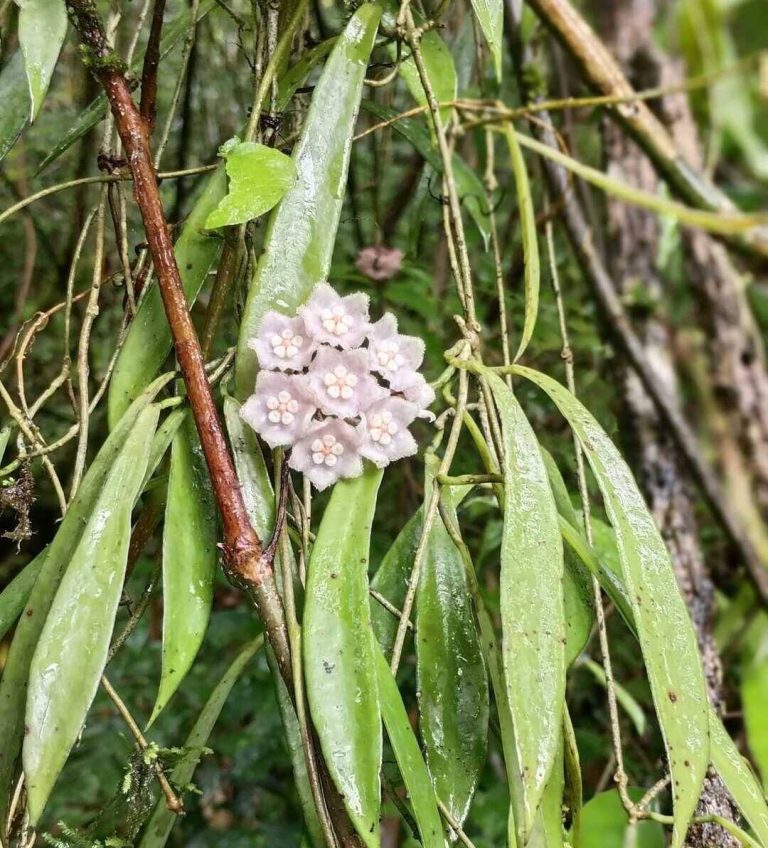
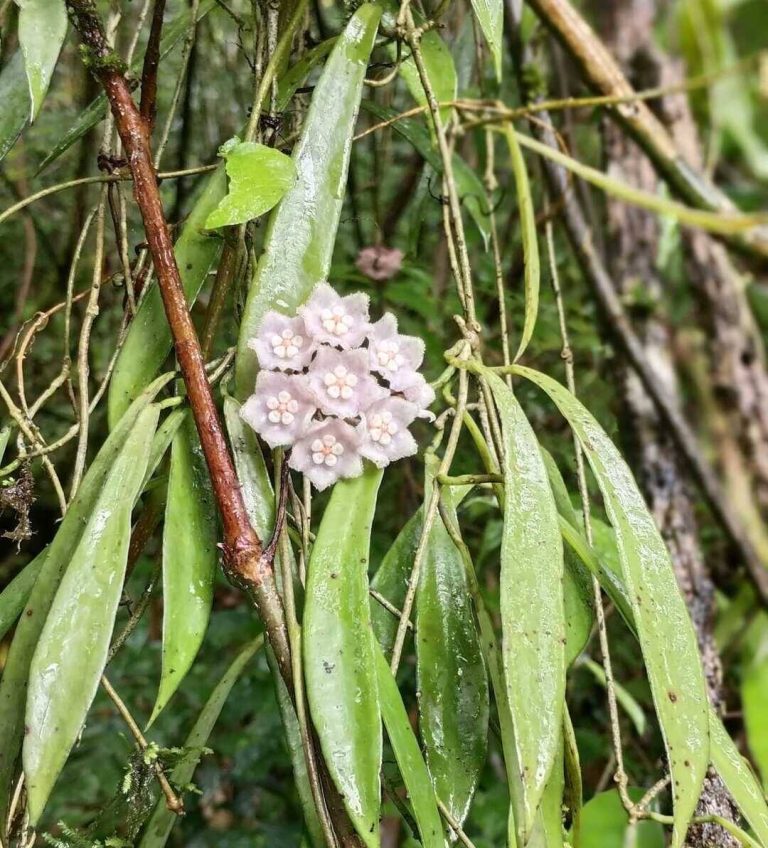
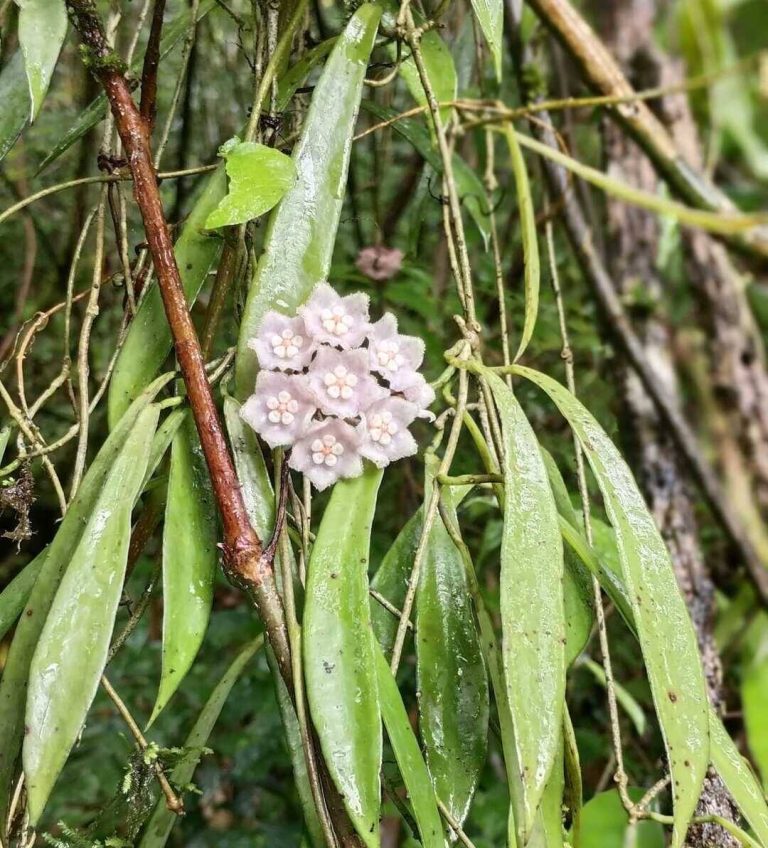
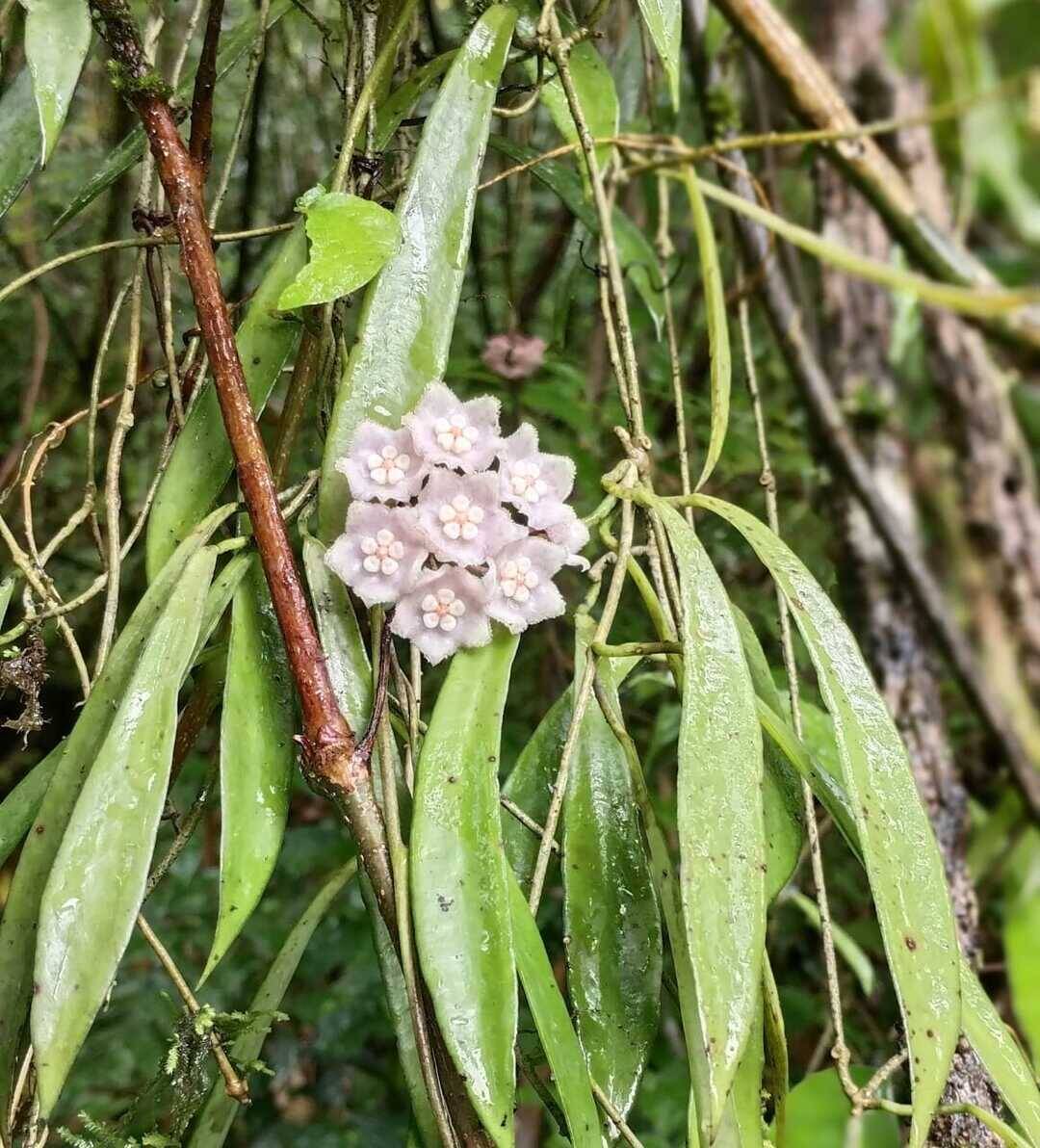
In a groundbreaking discovery, scientists from Nagaland University have identified a new plant species, Hoya nagaensis, in the community-protected high-altitude forests of Nagaland. The finding, which was made in the Phek district of the state, highlights the rich but under-explored biodiversity of the region and underscores the importance of indigenous forest conservation practices. The newly discovered species has been provisionally listed as Critically Endangered, emphasizing the need for immediate conservation efforts to protect it.
The discovery of Hoya nagaensis is a significant milestone in the field of botany, and it is a testament to the dedication and hard work of the scientists at Nagaland University. The team, which was led by renowned botanist Dr. [Name], conducted an extensive survey of the high-altitude forests in Phek district, using a combination of traditional and modern techniques to identify and document the plant species found in the area.
The Hoya nagaensis is a unique and fascinating plant species that belongs to the Apocynaceae family. It is a climbing plant with distinctive leaves and flowers, and it is found in the high-altitude forests of Phek district, where it grows on trees and rocks. The plant is adapted to the cool and moist climate of the high-altitude forests, and it plays a crucial role in maintaining the ecological balance of the region.
The discovery of Hoya nagaensis is not only significant from a scientific perspective, but it also highlights the importance of community-protected forests in conserving biodiversity. The high-altitude forests of Phek district, where the plant was found, are protected and managed by the local community, who have been conserving the forest and its resources for generations. The community’s efforts have helped to maintain the integrity of the forest ecosystem, which has enabled the Hoya nagaensis to thrive.
The provisional listing of Hoya nagaensis as Critically Endangered is a cause for concern, as it highlights the vulnerability of the species to extinction. The main threats to the survival of the plant are habitat loss and degradation, which are driven by human activities such as deforestation, agriculture, and infrastructure development. Climate change is also a significant threat, as it alters the ecological conditions that the plant is adapted to.
The discovery of Hoya nagaensis has significant implications for conservation efforts in Nagaland. The state government, in collaboration with local communities and conservation organizations, needs to take immediate action to protect the plant and its habitat. This can be achieved through the establishment of protected areas, such as national parks and wildlife sanctuaries, and the implementation of sustainable forest management practices.
The conservation of Hoya nagaensis also requires the involvement of local communities, who have traditional knowledge and skills that are essential for managing the forest ecosystem. The community’s participation in conservation efforts will not only help to protect the plant, but it will also promote the livelihoods of local people, who depend on the forest for their survival.
The discovery of Hoya nagaensis is a reminder of the rich biodiversity that exists in Nagaland, and the need to conserve and protect it. The state is home to a wide range of plant and animal species, many of which are found nowhere else in the world. The conservation of these species is not only important for maintaining the ecological balance of the region, but it also has significant benefits for local communities, who depend on the forest for their livelihoods.
In conclusion, the discovery of Hoya nagaensis is a significant milestone in the field of botany, and it highlights the importance of community-protected forests in conserving biodiversity. The provisional listing of the plant as Critically Endangered emphasizes the need for immediate conservation efforts to protect it, and the involvement of local communities is essential for the success of these efforts. The conservation of Hoya nagaensis is not only important for maintaining the ecological balance of the region, but it also has significant benefits for local communities, who depend on the forest for their livelihoods.
As we move forward, it is essential that we prioritize the conservation of Nagaland’s rich biodiversity, and work towards protecting the state’s unique and fascinating plant and animal species. This can be achieved through a combination of scientific research, community engagement, and sustainable forest management practices. By working together, we can ensure the long-term survival of Hoya nagaensis and other endangered species, and promote the livelihoods of local communities, who depend on the forest for their survival.
News Source: https://hubnetwork.in/nagaland-university-scientists-discover-new-plant-species-in-community-protected-forests/
About the Author