Nagaland University discovers new plant species in state
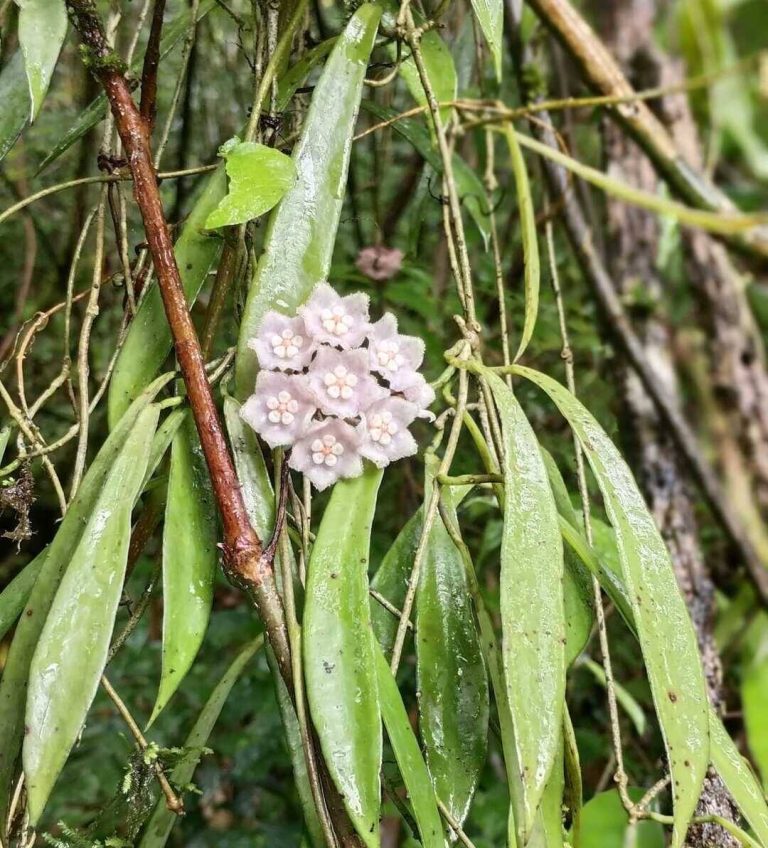
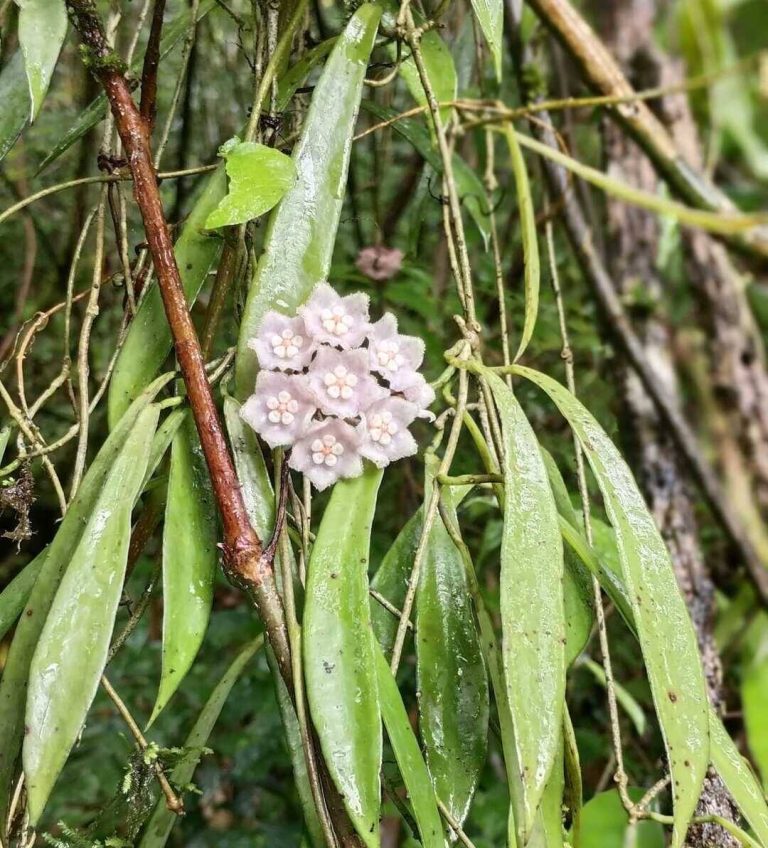
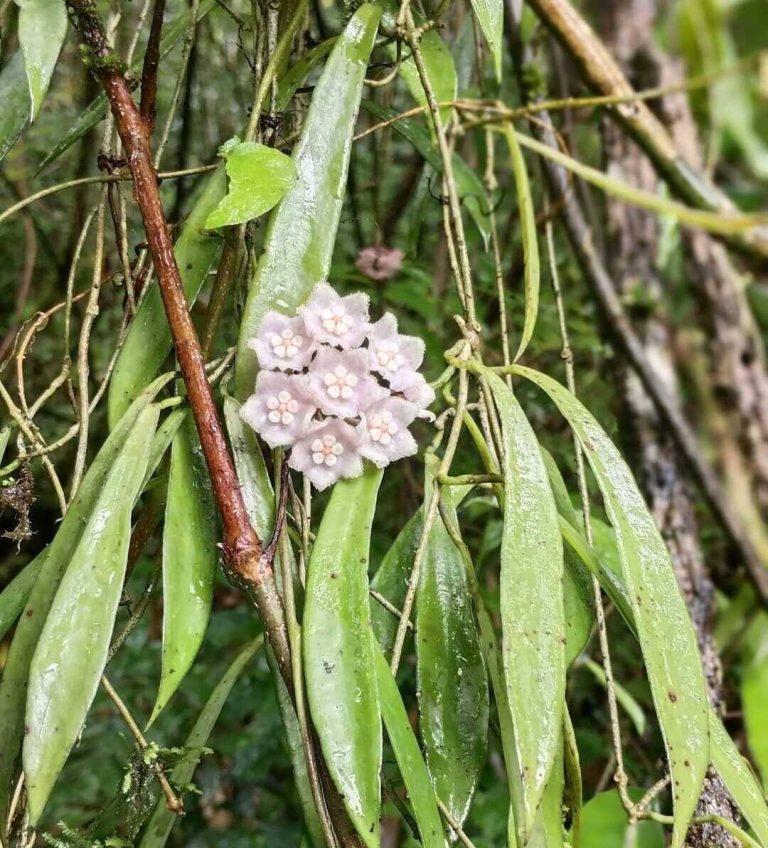
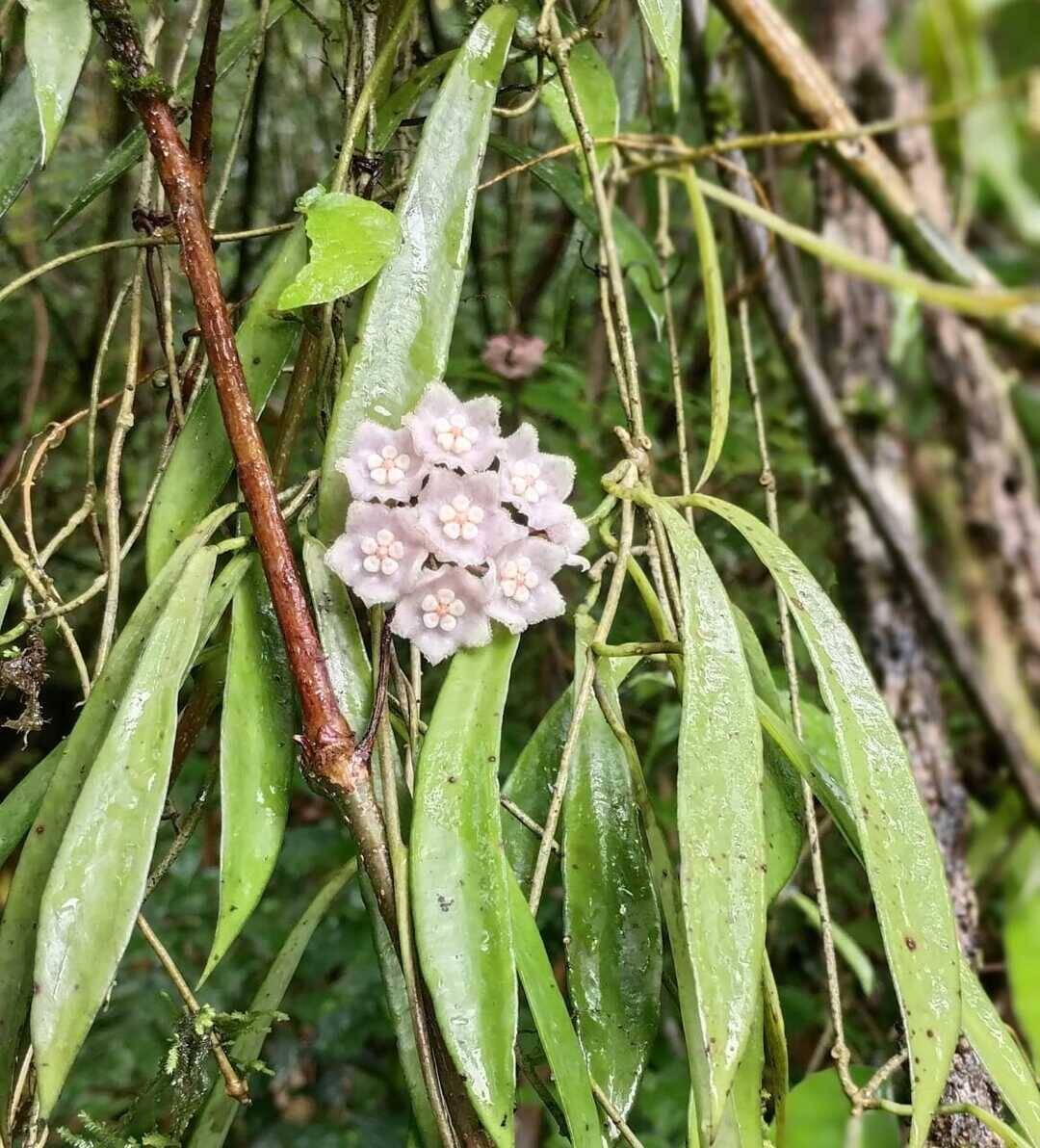
In a groundbreaking discovery, scientists from Nagaland University have identified a new plant species, Hoya nagaensis, in the community-protected high-altitude forests of Nagaland. The finding, which has been provisionally listed as Critically Endangered, highlights the region’s rich but under-explored biodiversity and the crucial role of indigenous forest conservation practices.
The discovery was made in the Phek district of Nagaland, where the research team from Nagaland University had been conducting an exhaustive survey of the region’s flora. The team, comprising botanists and taxonomists, had been studying the unique characteristics of the plant species found in the area, with a focus on identifying new and endangered species.
The newly discovered species, Hoya nagaensis, belongs to the Apocynaceae family and is characterized by its distinctive leaf morphology and flower structure. The plant is a climbing species, with thick, fleshy leaves and white, fragrant flowers that bloom in the summer months. Preliminary studies suggest that the species has adapted to the high-altitude, low-oxygen environment of the Phek district, where it grows in association with other plant species.
The discovery of Hoya nagaensis is significant not only because it represents a new addition to the botanical community but also because it highlights the importance of community-protected forests in conserving biodiversity. The Phek district, where the species was found, is home to several community-protected forests, which are managed and conserved by local indigenous communities.
These community-protected forests are unique in that they are managed using traditional practices and knowledge systems, which have been passed down through generations. The forests are not only an important source of livelihood for the local communities but also serve as a repository of biodiversity, with many plant and animal species found nowhere else in the world.
The discovery of Hoya nagaensis is a testament to the effectiveness of these community-protected forests in conserving biodiversity. The species was found in a forest area that has been protected by the local community for generations, highlighting the importance of indigenous conservation practices in maintaining the health and diversity of ecosystems.
However, the discovery of Hoya nagaensis also raises concerns about the conservation status of the species. The plant has been provisionally listed as Critically Endangered, due to its limited geographic range and the threats posed by habitat destruction, climate change, and over-exploitation.
The research team has emphasized the need for urgent conservation efforts to protect the species and its habitat. This includes the establishment of protected areas, such as national parks and wildlife sanctuaries, as well as community-led conservation initiatives that involve local indigenous communities in the management and protection of the forests.
The discovery of Hoya nagaensis is also significant in the context of Nagaland’s rich cultural heritage. The state is home to several indigenous communities, each with their unique traditions, customs, and knowledge systems. The discovery of the new plant species highlights the importance of preserving and promoting this cultural heritage, particularly in the context of biodiversity conservation.
In conclusion, the discovery of Hoya nagaensis is a significant finding that highlights the region’s rich but under-explored biodiversity and the crucial role of indigenous forest conservation practices. The discovery also raises concerns about the conservation status of the species and the need for urgent conservation efforts to protect the species and its habitat.
As we move forward, it is essential that we recognize the importance of community-protected forests in conserving biodiversity and promote the involvement of local indigenous communities in the management and protection of these forests. This not only ensures the conservation of unique and endangered species like Hoya nagaensis but also promotes the preservation of cultural heritage and the well-being of local communities.
The discovery of Hoya nagaensis is a reminder of the wonders that still await us in the natural world and the importance of preserving and protecting our planet’s precious biodiversity. As we continue to explore and discover new species, we must also prioritize their conservation and protection, ensuring that future generations can continue to marvel at the beauty and diversity of the natural world.
About the Author