Nagaland University discovers new plant species in state
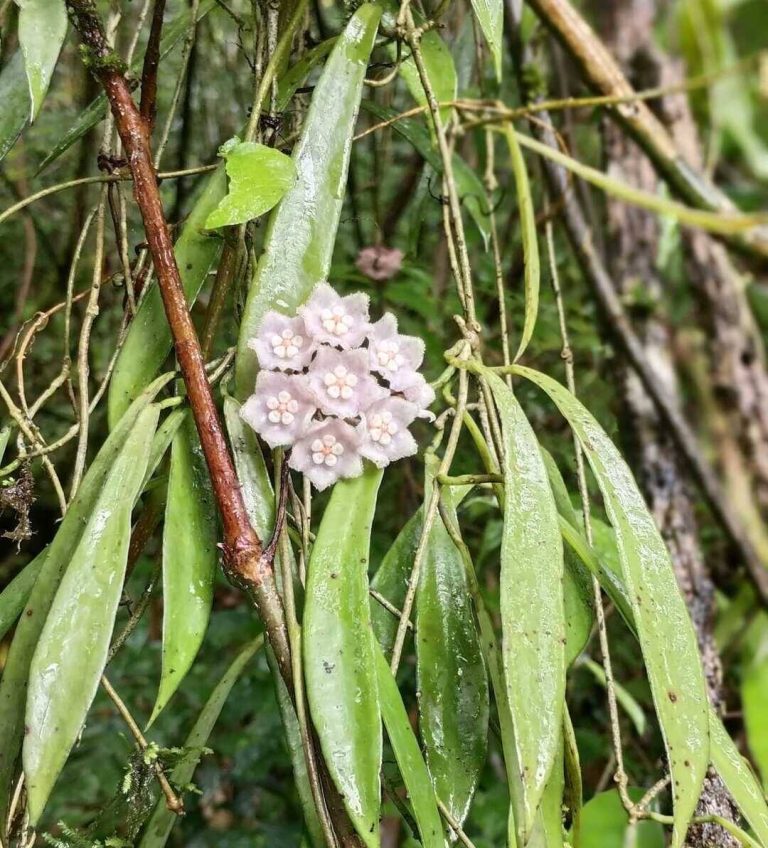
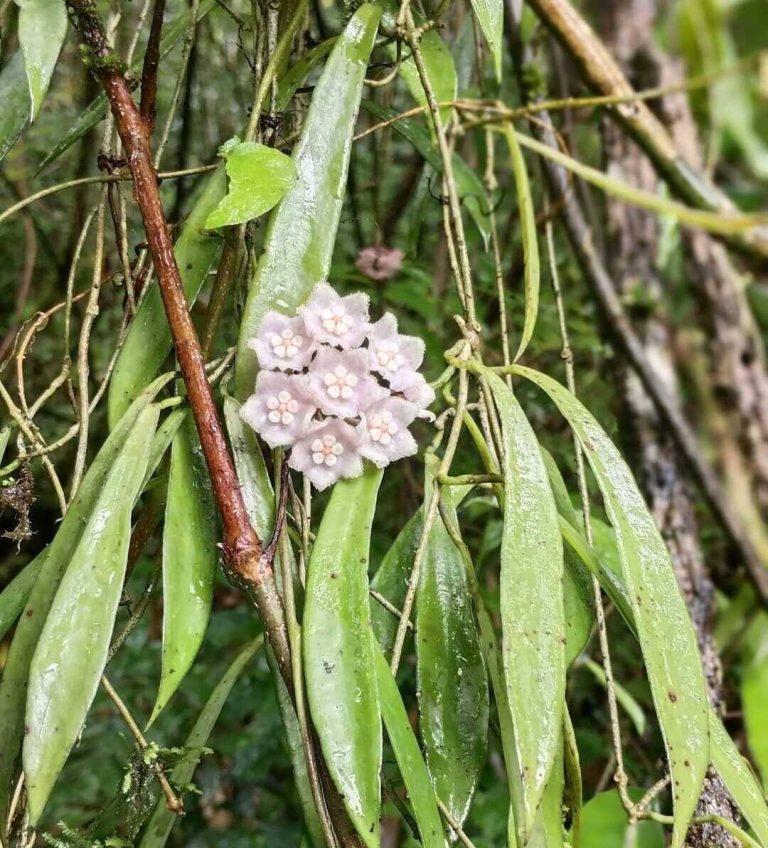
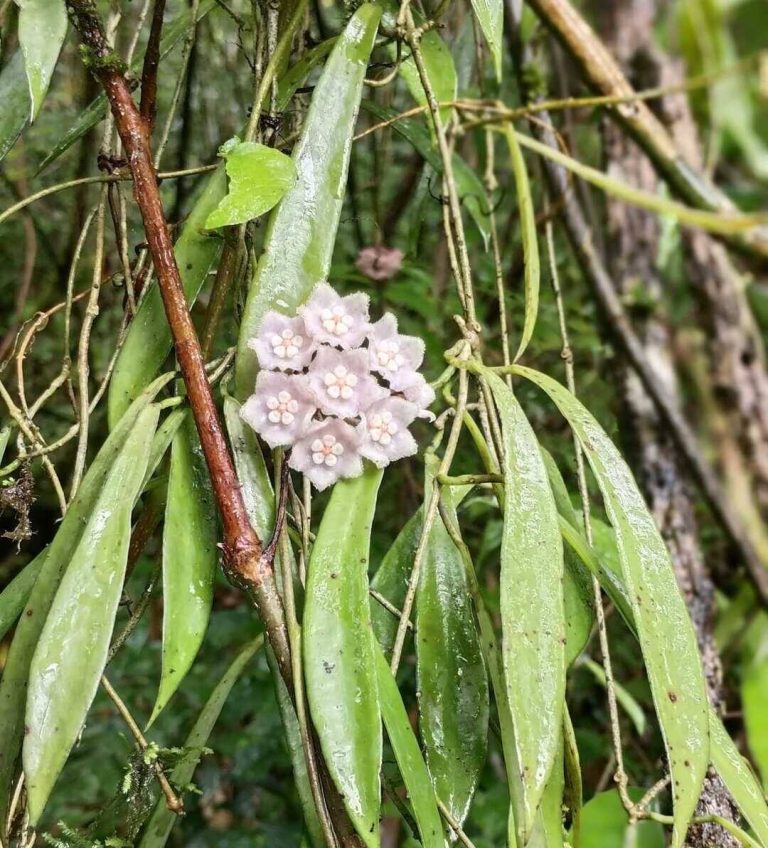
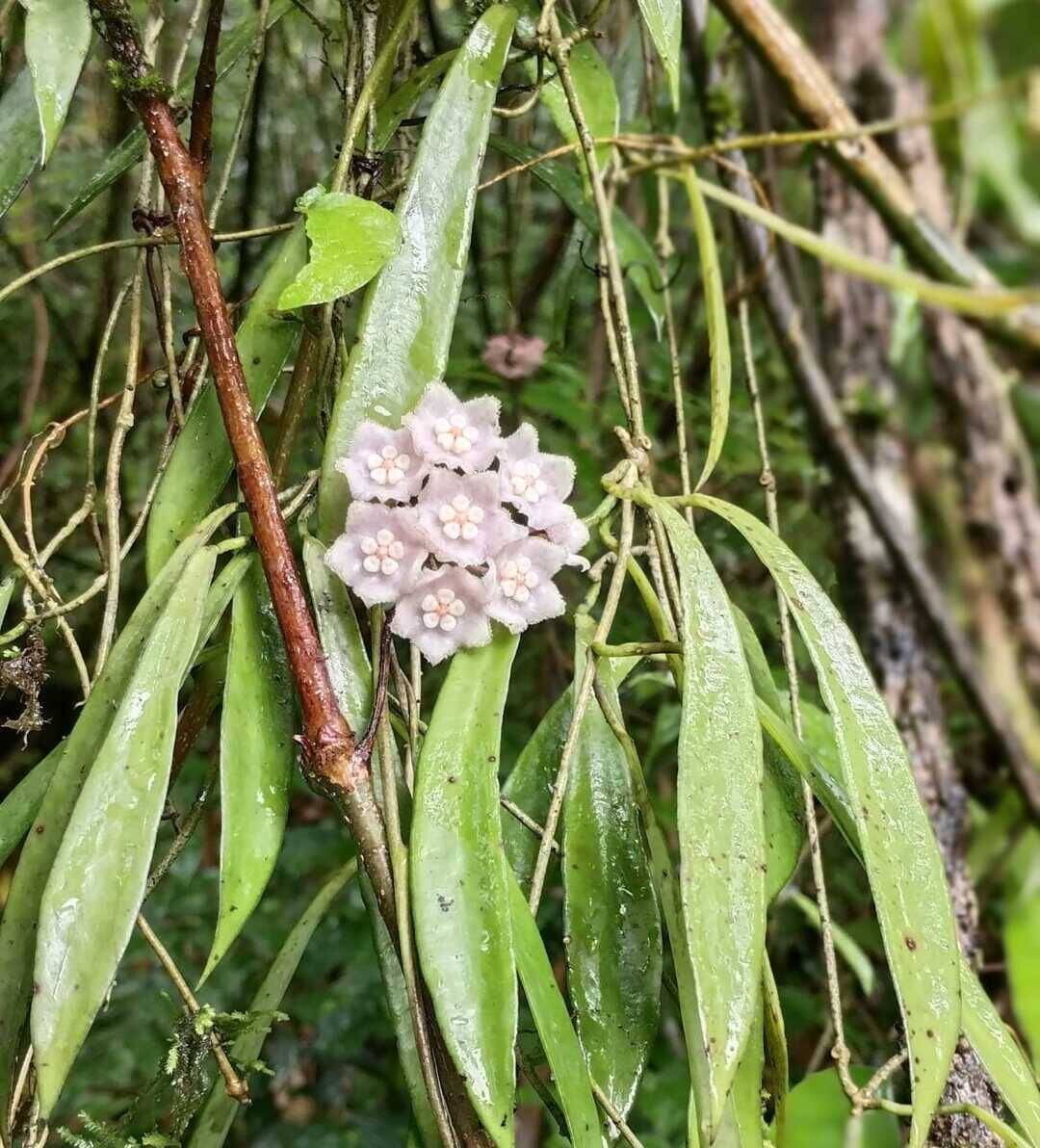
In a groundbreaking discovery, scientists from Nagaland University have identified a new plant species, Hoya nagaensis, in the community-protected high-altitude forests of Nagaland. The finding, which was made in the Phek district, highlights the region’s rich but under-explored biodiversity and the crucial role of indigenous forest conservation practices. The new species is provisionally listed as Critically Endangered, emphasizing the need for urgent conservation efforts to protect this unique plant.
The discovery of Hoya nagaensis is a significant milestone in the field of botany, as it underscores the importance of exploring and documenting the flora of Nagaland. The state, located in the northeastern part of India, is known for its diverse and unique biodiversity, which is largely attributed to its geographical location and varied climate. The region’s forests, which cover over 80% of the state, are home to a wide range of plant species, many of which are still unknown to science.
The team of scientists from Nagaland University, led by Dr. [Name], conducted an extensive survey of the community-protected forests in Phek district, which is known for its high-altitude forests and unique flora. The team used a combination of traditional taxonomic methods and modern molecular techniques to identify and characterize the new species. The discovery was made possible through the collaboration of local communities, who have been protecting and conserving the forests for generations.
Hoya nagaensis is a member of the Apocynaceae family, which includes over 400 species of plants, many of which are found in the tropical and subtropical regions of Asia. The new species is characterized by its unique leaf morphology and flower structure, which distinguishes it from other members of the genus. The plant is found in the high-altitude forests of Phek district, where it grows on rocky outcrops and steep slopes.
The discovery of Hoya nagaensis has significant implications for the conservation of biodiversity in Nagaland. The state’s forests are facing numerous threats, including deforestation, habitat fragmentation, and climate change, which are leading to the loss of unique and endemic species. The identification of this new species highlights the need for urgent conservation efforts to protect the region’s biodiversity.
The community-protected forests of Nagaland, where the new species was discovered, are a testament to the effectiveness of indigenous forest conservation practices. The local communities have been protecting and conserving the forests for generations, using traditional knowledge and practices to maintain the health and integrity of the ecosystem. The discovery of Hoya nagaensis demonstrates the importance of preserving these community-protected forests, which are not only crucial for biodiversity conservation but also provide numerous ecosystem services, including water supply, soil conservation, and climate regulation.
The provisional listing of Hoya nagaensis as Critically Endangered emphasizes the need for urgent conservation efforts to protect this unique plant. The species is found in a limited geographic range, and its population is estimated to be small, making it vulnerable to extinction. The conservation of Hoya nagaensis requires a multi-faceted approach, including the protection of its habitat, the reduction of threats, and the promotion of sustainable land-use practices.
In conclusion, the discovery of Hoya nagaensis by scientists from Nagaland University is a significant milestone in the field of botany, highlighting the region’s rich but under-explored biodiversity. The finding emphasizes the importance of preserving community-protected forests, which are crucial for biodiversity conservation and provide numerous ecosystem services. The provisional listing of the species as Critically Endangered underscores the need for urgent conservation efforts to protect this unique plant. As we move forward, it is essential to recognize the importance of indigenous forest conservation practices and to work with local communities to protect and conserve the region’s biodiversity.
The discovery of Hoya nagaensis is a reminder of the importance of exploring and documenting the flora of Nagaland, which is home to a wide range of unique and endemic species. The state’s biodiversity is a valuable resource, not only for the local communities but also for the global community. As we strive to protect and conserve this biodiversity, we must recognize the crucial role of indigenous forest conservation practices and work towards promoting sustainable land-use practices that balance human needs with environmental conservation.
In the coming years, it is expected that more species will be discovered in Nagaland, highlighting the region’s rich biodiversity and the need for urgent conservation efforts. The discovery of Hoya nagaensis is a call to action, emphasizing the importance of protecting and conserving the region’s unique flora and fauna. As we move forward, it is essential to work together to promote biodiversity conservation and to recognize the importance of indigenous forest conservation practices in protecting the region’s rich biodiversity.
About the Author