Nagaland University discovers new plant species in state
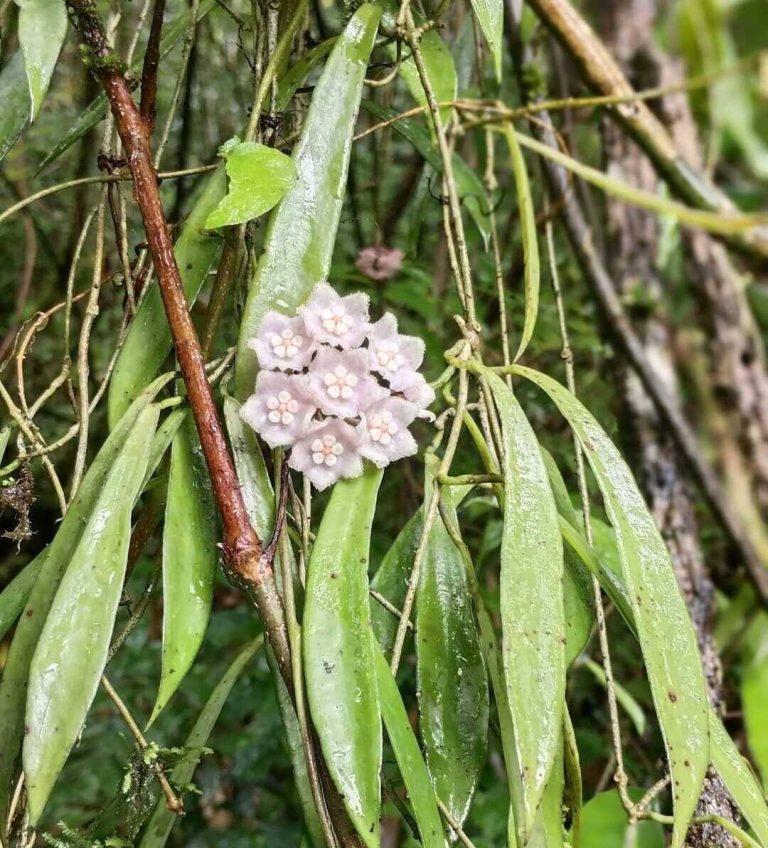
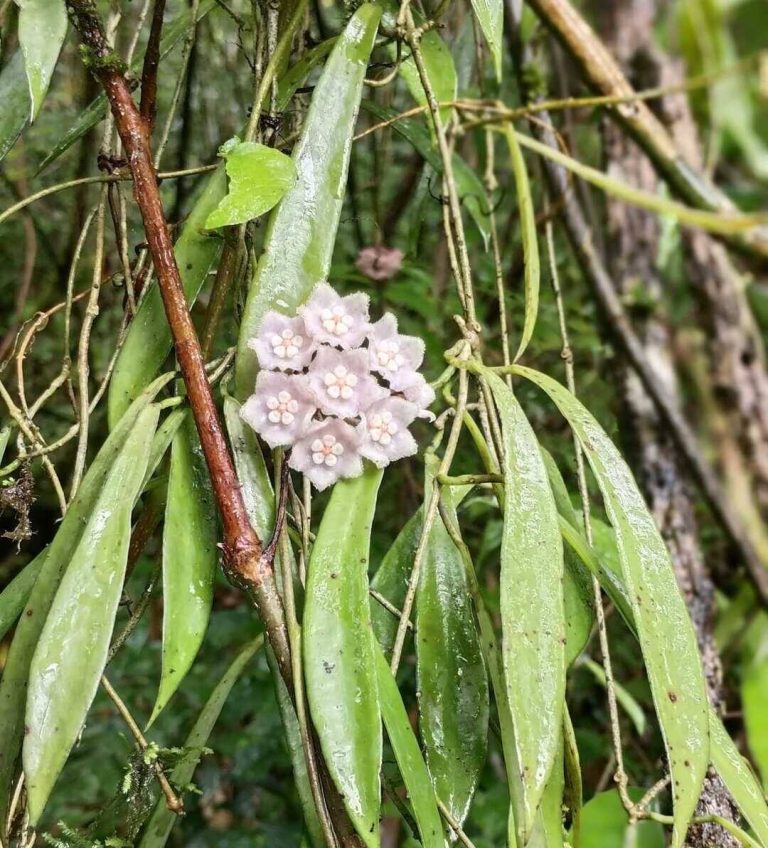
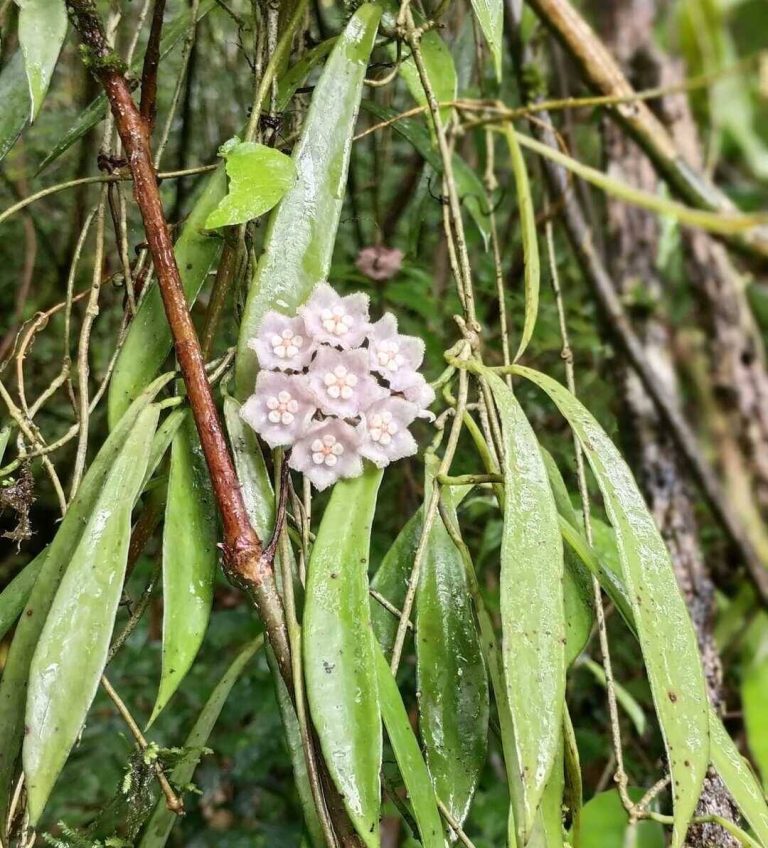
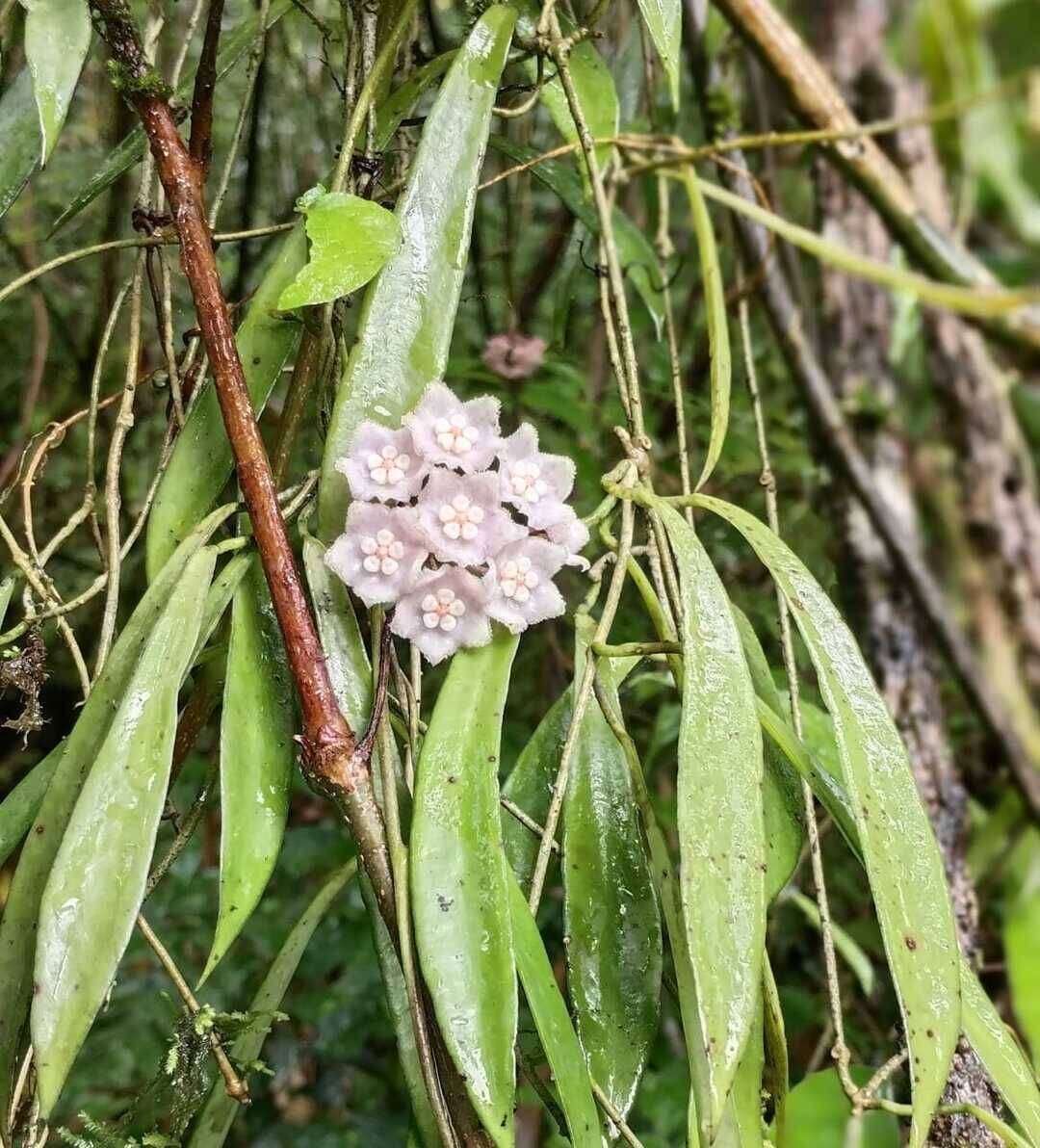
In a groundbreaking discovery, scientists from Nagaland University have identified a new plant species, Hoya nagaensis, in the community-protected high-altitude forests of Nagaland. The finding, which was made in the Phek district, highlights the region’s rich but under-explored biodiversity and underscores the importance of indigenous forest conservation practices. The newly discovered species has been provisionally listed as Critically Endangered, emphasizing the need for urgent conservation efforts to protect this unique plant.
The discovery of Hoya nagaensis is a significant milestone in the field of botany, as it sheds light on the vast and unexplored flora of Nagaland. The state, located in the northeastern part of India, is home to a diverse range of plant species, many of which remain unknown to science. The high-altitude forests of Nagaland, in particular, are a treasure trove of biodiversity, with many endemic species found nowhere else in the world.
The team of scientists from Nagaland University, led by renowned botanist Dr. [Name], conducted an extensive survey of the community-protected forests in Phek district. The survey, which was carried out over several months, involved the collection and analysis of plant specimens, as well as consultations with local communities and traditional healers. The researchers used a combination of traditional taxonomic methods and modern techniques, such as DNA sequencing, to identify and characterize the new species.
Hoya nagaensis is a member of the Apocynaceae family, which includes over 400 species of flowering plants. The new species is characterized by its unique leaf morphology, flower structure, and seed characteristics. The plant is a climbing species, with thick, fleshy leaves and fragrant white flowers. The seeds of Hoya nagaensis are small and oval-shaped, with a distinctive wing-like structure that aids in dispersal.
The discovery of Hoya nagaensis is not only significant from a scientific perspective but also highlights the crucial role of indigenous forest conservation practices in protecting biodiversity. The community-protected forests of Nagaland, where the new species was found, are managed by local communities using traditional practices that have been passed down through generations. These practices, which include selective logging, agroforestry, and sacred grove management, have helped to maintain the health and integrity of the forests, allowing unique species like Hoya nagaensis to thrive.
The provisional listing of Hoya nagaensis as Critically Endangered emphasizes the need for urgent conservation efforts to protect this species. The main threats to the species include habitat loss and degradation, over-collection for medicinal purposes, and climate change. The scientists from Nagaland University are working with local communities, government agencies, and conservation organizations to develop a conservation plan for Hoya nagaensis. The plan includes measures to protect the species’ habitat, regulate collection and trade, and promote sustainable use of the plant’s medicinal properties.
The discovery of Hoya nagaensis is a testament to the rich biodiversity of Nagaland and the importance of preserving traditional knowledge and conservation practices. The finding also highlights the need for increased support and funding for botanical research and conservation efforts in the region. As Dr. [Name] noted, “The discovery of Hoya nagaensis is a significant milestone in our efforts to document and conserve the unique biodiversity of Nagaland. We hope that this finding will inspire further research and conservation efforts, and help to protect the rich natural heritage of our state.”
In conclusion, the discovery of Hoya nagaensis by scientists from Nagaland University is a groundbreaking finding that highlights the region’s rich biodiversity and the importance of indigenous forest conservation practices. The provisional listing of the species as Critically Endangered emphasizes the need for urgent conservation efforts to protect this unique plant. As we move forward, it is essential that we prioritize the conservation of Nagaland’s unique biodiversity and support the efforts of scientists, local communities, and conservation organizations to protect the region’s natural heritage.
News Source: https://hubnetwork.in/nagaland-university-scientists-discover-new-plant-species-in-community-protected-forests/
About the Author