Nagaland University discovers new plant species in state
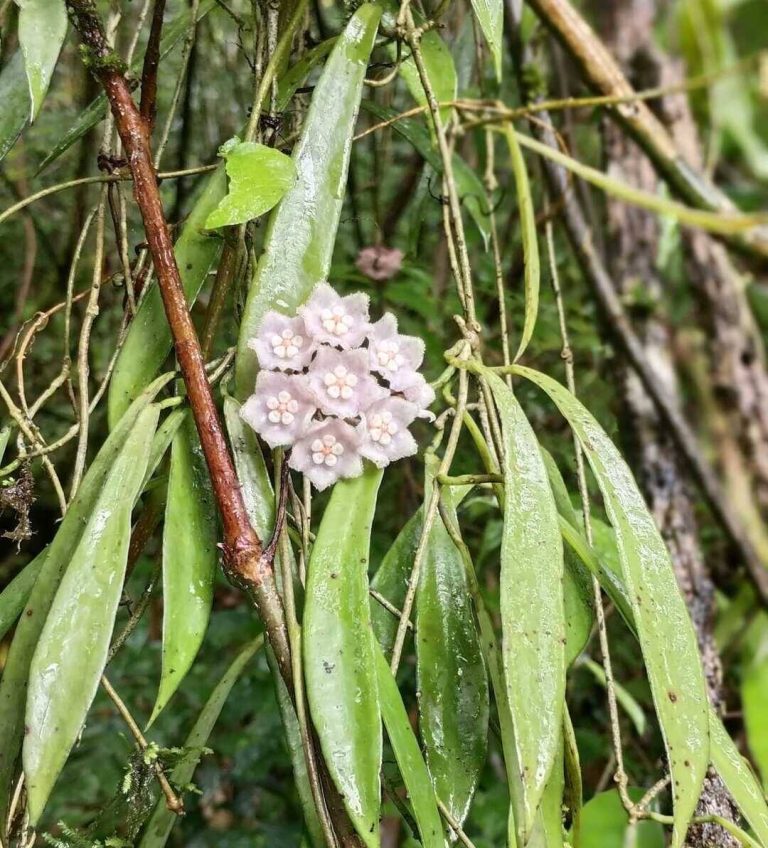
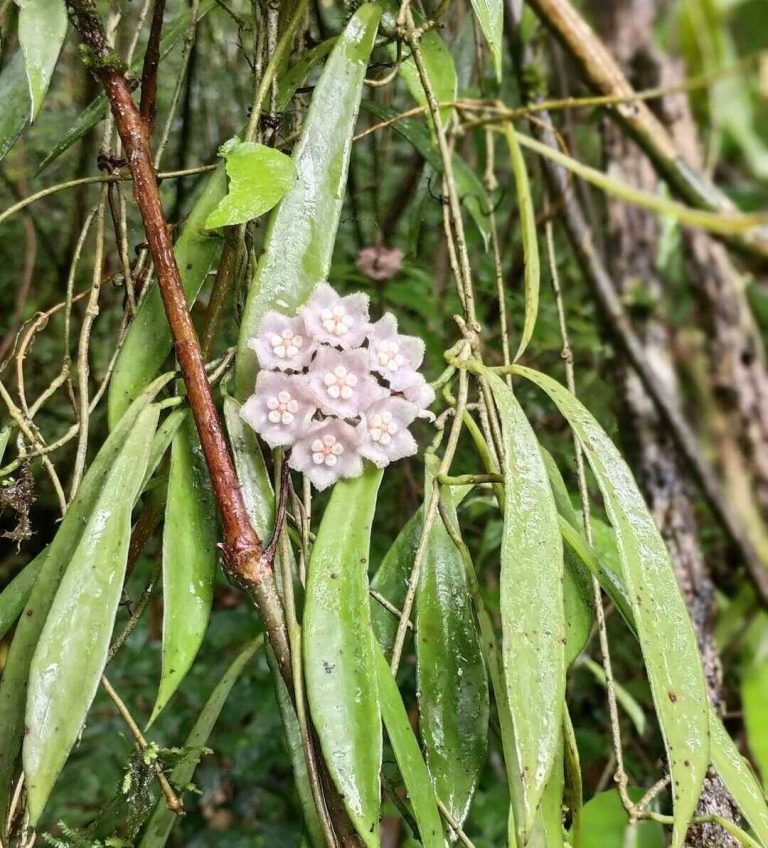
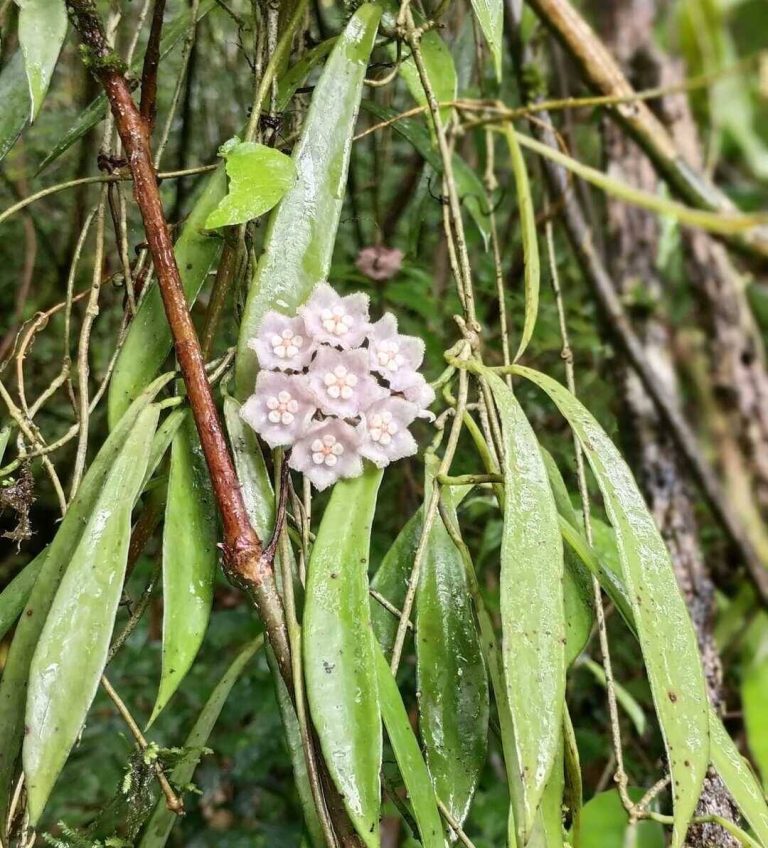
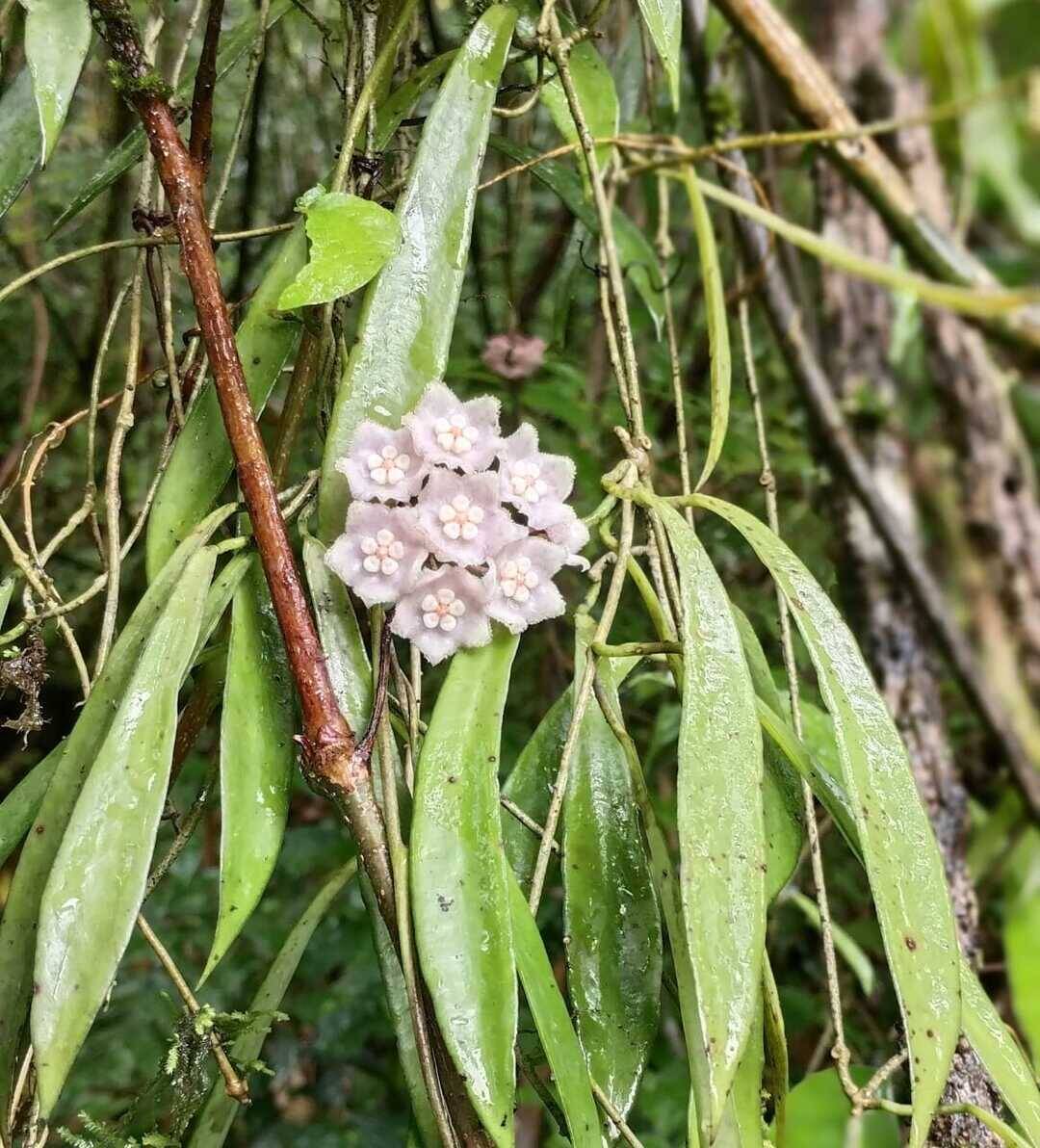
In a groundbreaking discovery, scientists from Nagaland University have identified a new plant species, Hoya nagaensis, in the community-protected high-altitude forests of Nagaland. The finding, which has been provisionally listed as Critically Endangered, highlights the region’s rich but under-explored biodiversity and the crucial role of indigenous forest conservation practices. The discovery was made in the Phek district of Nagaland, a state located in the northeastern part of India.
The team of scientists from Nagaland University, led by Dr. [Name], conducted an extensive survey of the high-altitude forests in Phek district, which is known for its unique and diverse flora. The region’s forests are protected by the local communities, who have been conserving them for generations through traditional practices. The discovery of the new plant species is a testament to the effectiveness of these conservation efforts and the importance of preserving the region’s natural heritage.
The new plant species, Hoya nagaensis, belongs to the genus Hoya, which is a group of flowering plants commonly known as waxflowers. The species is characterized by its distinctive leaves and flowers, which are unlike any other known species of Hoya. The plant is found in the high-altitude forests of Phek district, where it grows on trees and rocks, and is adapted to the region’s unique climate and soil conditions.
The discovery of Hoya nagaensis is significant not only because it is a new species, but also because it highlights the region’s rich biodiversity. Nagaland is home to a wide range of flora and fauna, much of which is still unknown to science. The state’s unique geography, which includes high-altitude forests, grasslands, and wetlands, supports a diverse array of plant and animal species. However, the region’s biodiversity is under threat from habitat destruction, climate change, and other human activities.
The provisional listing of Hoya nagaensis as Critically Endangered highlights the urgent need for conservation efforts to protect the species and its habitat. The species is found in a limited area, and its population is small and fragmented. The main threats to the species are habitat destruction and degradation, as well as over-collection by plant enthusiasts. The local communities, who have been protecting the forests for generations, play a crucial role in conserving the species and its habitat.
The discovery of Hoya nagaensis is also a testament to the importance of indigenous forest conservation practices. The local communities in Nagaland have been conserving the forests for generations, using traditional practices such as sacred groves and community-protected areas. These practices have helped to preserve the region’s biodiversity, including the new plant species. The discovery highlights the need to support and strengthen these conservation efforts, and to recognize the importance of indigenous knowledge and practices in protecting the environment.
The discovery of Hoya nagaensis has also sparked interest among botanists and conservationists, who are keen to learn more about the species and its habitat. Further research is needed to fully understand the species’ ecology and conservation status, and to develop effective conservation strategies. The discovery is also expected to promote tourism and economic development in the region, as plant enthusiasts and nature lovers flock to see the new species.
In conclusion, the discovery of Hoya nagaensis is a significant finding that highlights the region’s rich biodiversity and the importance of indigenous forest conservation practices. The provisional listing of the species as Critically Endangered emphasizes the need for urgent conservation efforts to protect the species and its habitat. The discovery is a testament to the importance of preserving the region’s natural heritage, and the need to support and strengthen indigenous conservation practices.
As the world grapples with the challenges of climate change, habitat destruction, and biodiversity loss, the discovery of Hoya nagaensis serves as a reminder of the importance of preserving our natural heritage. The discovery is a call to action, highlighting the need for urgent conservation efforts to protect the species and its habitat. It is also a testament to the power of indigenous knowledge and practices in protecting the environment, and the need to support and strengthen these efforts.
The discovery of Hoya nagaensis is a significant milestone in the field of botany and conservation, and it is expected to have far-reaching implications for our understanding of the region’s biodiversity and the importance of preserving it. As we move forward, it is essential that we prioritize conservation efforts and support indigenous communities in their efforts to protect the environment.
About the Author