Nagaland University discovers new plant species in state
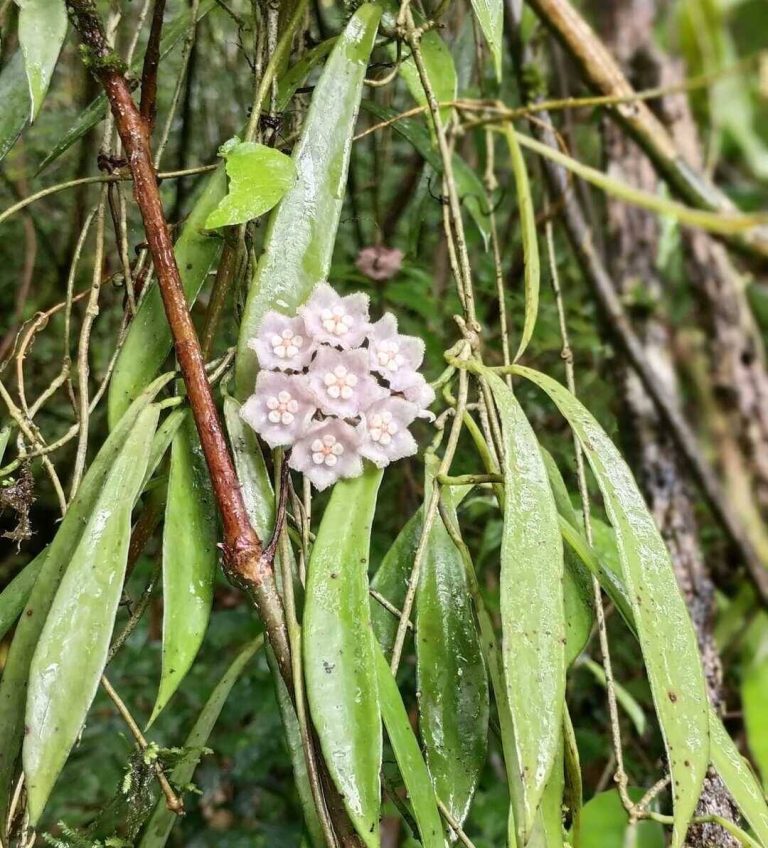
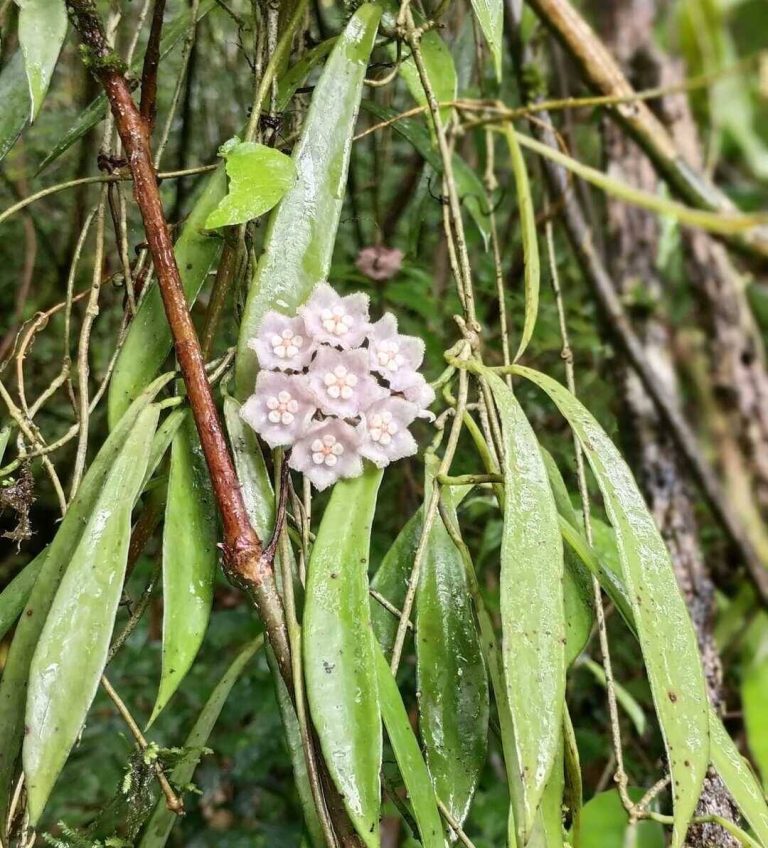
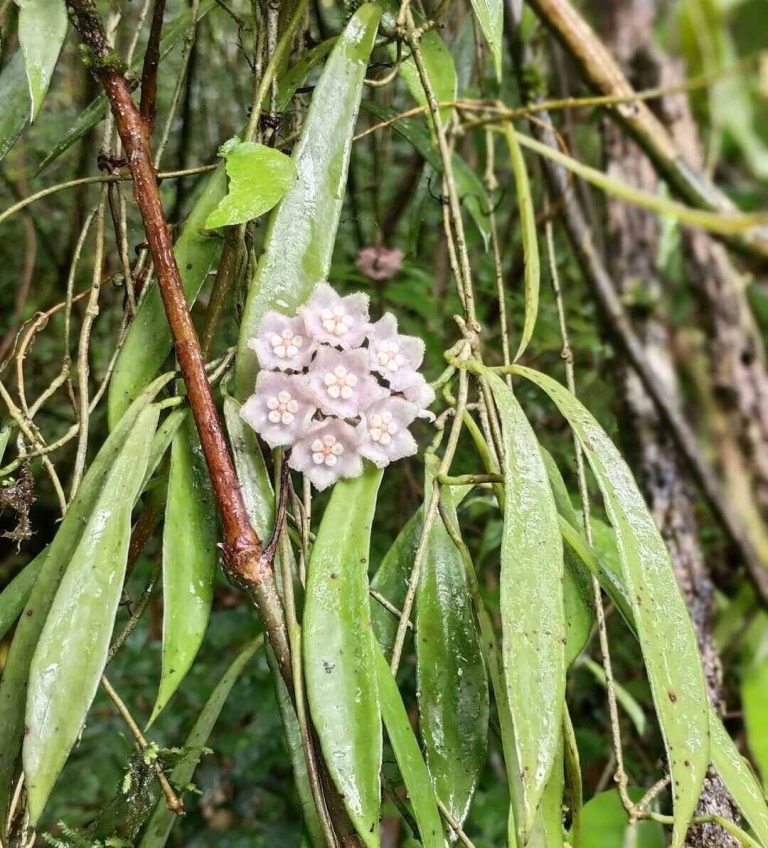
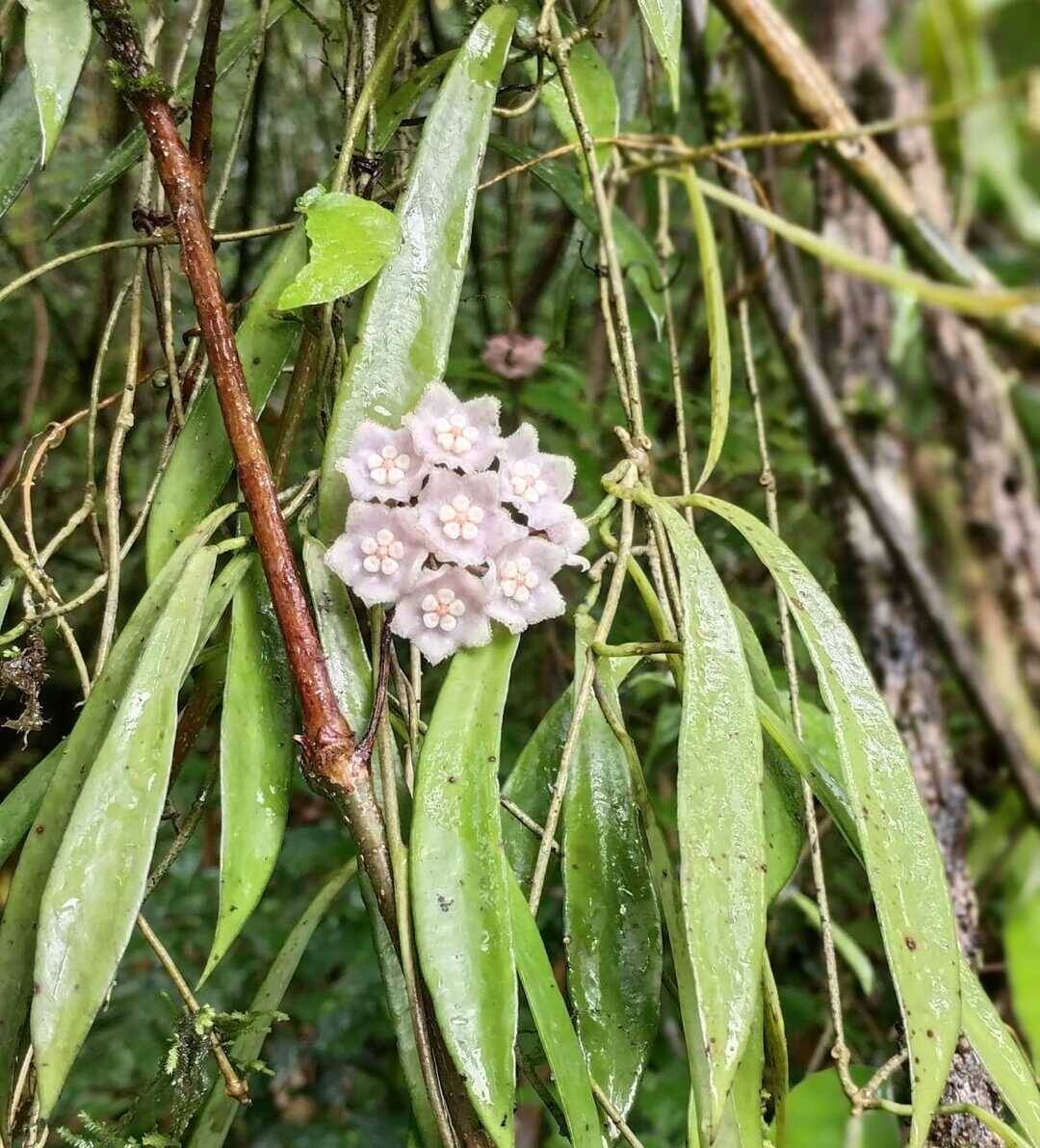
In a groundbreaking discovery, scientists from Nagaland University have identified a new plant species, Hoya nagaensis, in the community-protected high-altitude forests of Nagaland. The finding, which was made in the Phek district, highlights the rich but under-explored biodiversity of the region and underscores the importance of indigenous forest conservation practices.
The discovery of Hoya nagaensis is a significant one, not only because it adds to the growing list of plant species found in Nagaland, but also because it sheds light on the crucial role that community-protected forests play in preserving the state’s natural heritage. The species, which is provisionally listed as Critically Endangered, was found in a remote area of the Phek district, where local communities have been working tirelessly to protect and conserve the forest ecosystem.
The team of scientists from Nagaland University, led by Dr. [Name], conducted an extensive survey of the region’s flora, using a combination of traditional botanical techniques and modern molecular analysis. The research, which was supported by the university’s department of botany, aimed to document the diversity of plant species in the state and to identify areas of high conservation value.
According to Dr. [Name], the discovery of Hoya nagaensis is a major breakthrough, not only for the scientific community but also for the local communities who have been working to protect the forest ecosystem. “The discovery of this new species highlights the importance of community-led conservation efforts,” he said. “The fact that this species was found in a community-protected forest is a testament to the effectiveness of indigenous conservation practices and the need to support and recognize the role of local communities in preserving biodiversity.”
The discovery of Hoya nagaensis is also significant because it underscores the need for further research and exploration of the region’s biodiversity. Nagaland, which is located in the northeastern part of India, is known for its rich and diverse flora, with many species found nowhere else in the world. However, much of the state’s biodiversity remains under-explored, and there is a pressing need for further research and documentation of the region’s plant and animal species.
The provisional listing of Hoya nagaensis as Critically Endangered is a concern, as it highlights the vulnerability of the species to extinction. The main threats to the species include habitat loss and degradation, over-exploitation, and climate change. The scientists are working closely with local communities and conservation organizations to develop a conservation plan for the species, which includes measures to protect its habitat, monitor its population, and educate local communities about the importance of conservation.
The discovery of Hoya nagaensis is a significant milestone in the history of botanical research in Nagaland, and it highlights the importance of collaborative research and community-led conservation efforts. The scientists from Nagaland University are working closely with local communities, conservation organizations, and government agencies to develop a comprehensive conservation plan for the species, which will help to ensure its survival and protection.
In conclusion, the discovery of Hoya nagaensis is a major breakthrough, not only for the scientific community but also for the local communities who have been working to protect the forest ecosystem. The finding highlights the rich but under-explored biodiversity of the region and underscores the crucial role of indigenous forest conservation practices. As we move forward, it is essential that we recognize the importance of community-led conservation efforts and work to support and amplify the work of local communities in preserving biodiversity.
About the Author