Nagaland University discovers new plant species in state
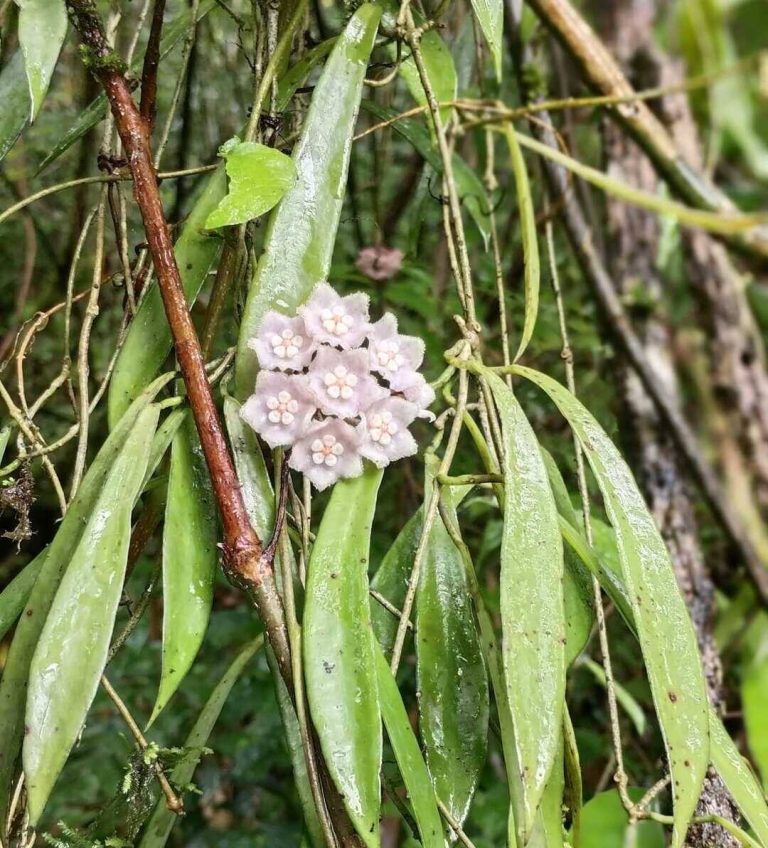
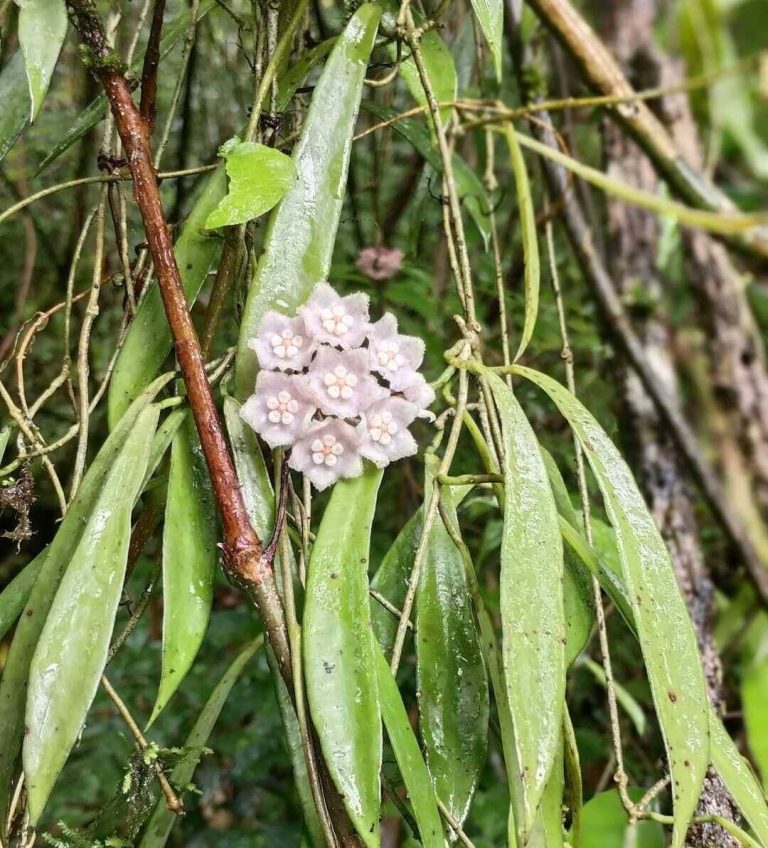
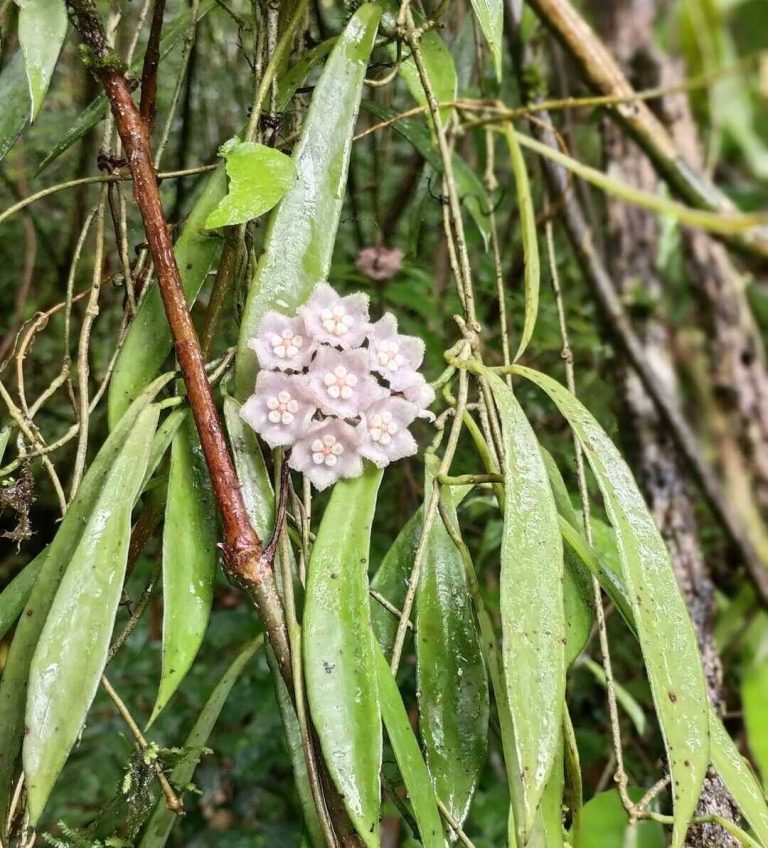
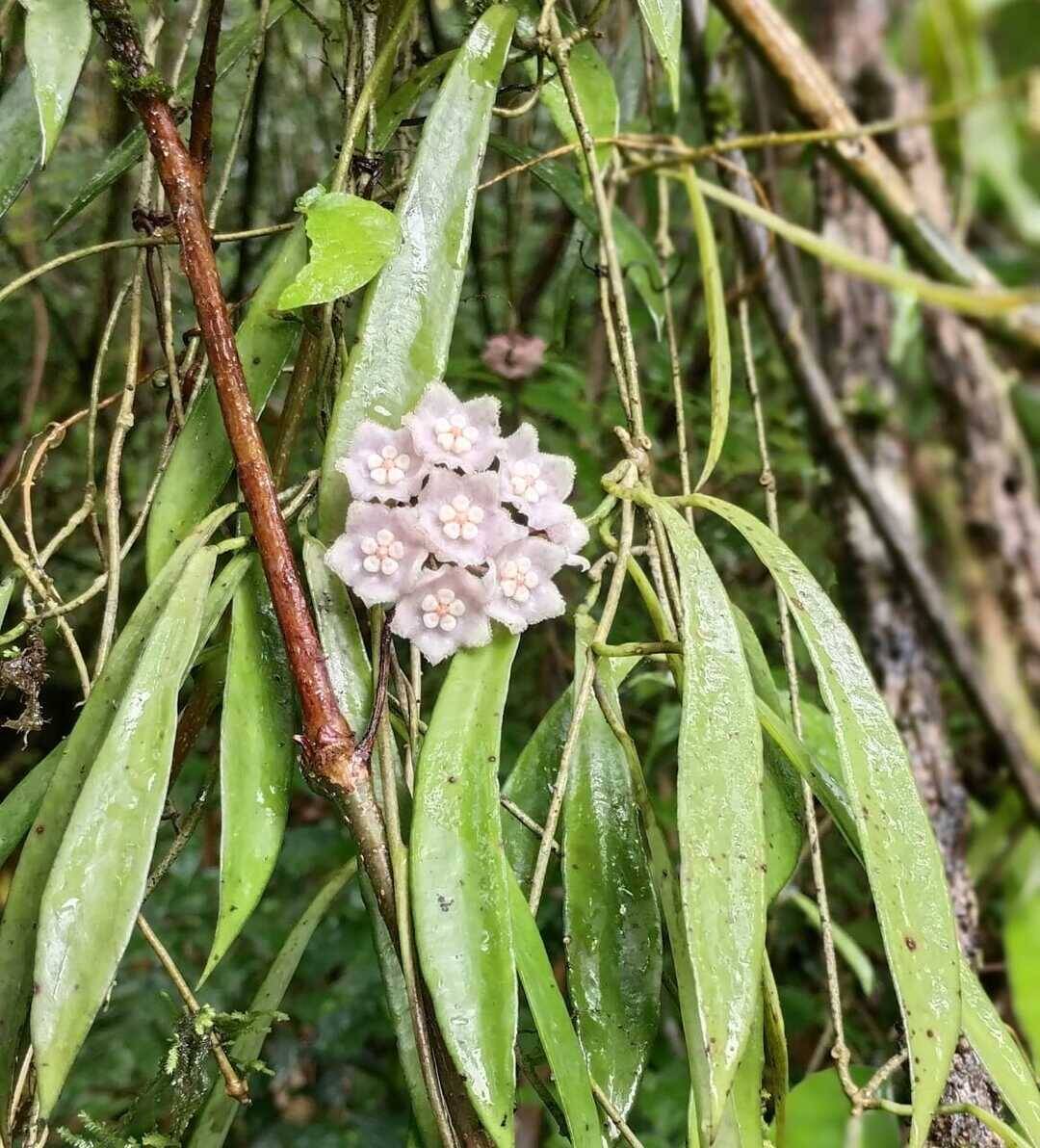
In a groundbreaking discovery, scientists from Nagaland University have identified a new plant species, Hoya nagaensis, in the community-protected high-altitude forests of Nagaland. The finding, which was made in the Phek district, highlights the rich but under-explored biodiversity of the region and underscores the importance of indigenous forest conservation practices. The newly discovered species has been provisionally listed as Critically Endangered, emphasizing the need for urgent conservation efforts to protect it.
The discovery of Hoya nagaensis is a significant milestone in the field of botany, and it sheds new light on the unique and diverse flora of Nagaland. The state, located in the northeastern part of India, is known for its stunning natural beauty and rich cultural heritage. The region’s forests, which are largely community-protected, are home to a wide range of plant and animal species, many of which are found nowhere else in the world.
The team of scientists from Nagaland University, who made the discovery, were conducting a comprehensive survey of the region’s flora when they stumbled upon the new species. The team, which was led by a renowned botanist, had been studying the plant life of Nagaland for several years and had been searching for new and endemic species. The discovery of Hoya nagaensis was a major breakthrough, and it has significant implications for the field of botany and conservation.
Hoya nagaensis is a member of the Apocynaceae family, which is commonly known as the dogbane family. The plant is characterized by its distinctive leaves and flowers, which are unlike any other species in the region. The team of scientists conducted extensive research on the plant, including DNA analysis and field observations, to confirm its status as a new species.
The discovery of Hoya nagaensis highlights the importance of community-protected forests in Nagaland. The state has a unique system of forest management, where local communities play a crucial role in protecting and conserving the forests. This approach has been successful in maintaining the region’s biodiversity, and it has helped to preserve many endangered species.
The provisional listing of Hoya nagaensis as Critically Endangered is a cause for concern, and it emphasizes the need for urgent conservation efforts to protect the species. The main threats to the species are habitat loss and degradation, which are largely due to human activities such as deforestation and land conversion. Climate change is also a major threat, as it alters the delicate balance of the ecosystem and makes it difficult for the plant to survive.
To address these threats, the Nagaland University team is working closely with local communities and conservation organizations to develop a comprehensive conservation plan for Hoya nagaensis. The plan includes measures such as habitat protection, ex situ conservation, and education and awareness programs. The team is also conducting research on the plant’s ecology and population dynamics to better understand its needs and to develop effective conservation strategies.
The discovery of Hoya nagaensis is a significant achievement, and it highlights the importance of scientific research and conservation efforts in protecting the region’s biodiversity. The finding also underscores the crucial role of indigenous forest conservation practices in maintaining the health and integrity of the ecosystem.
In conclusion, the discovery of Hoya nagaensis is a major breakthrough in the field of botany, and it has significant implications for conservation efforts in Nagaland. The provisional listing of the species as Critically Endangered emphasizes the need for urgent action to protect it, and the Nagaland University team is working closely with local communities and conservation organizations to develop a comprehensive conservation plan. The discovery of this new species is a testament to the region’s rich biodiversity, and it highlights the importance of preserving and protecting the natural heritage of Nagaland.
About the Author