Modern city life harm human health & reproductive functions: Study
The allure of modern city life, with its promises of convenience, entertainment, and career opportunities, has drawn millions of people away from rural areas and into urban centers. However, a growing body of research suggests that this shift may have unintended consequences for our health and well-being. According to a recent study published in a reputable scientific journal, the rapid industrialization and urbanization of our environment may be outpacing our biology, affecting our survival and reproductive functions.
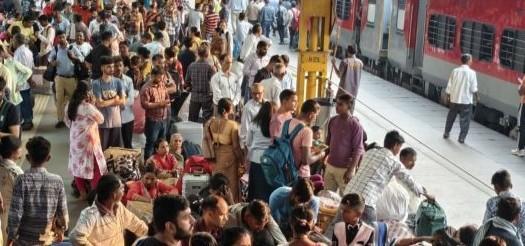
Evolutionary scientists have long warned that the human body is not adapted to the stresses and pressures of modern city life. Our ancestors evolved in natural environments, with clean air and water, ample space to move and exercise, and a diet rich in whole foods. In contrast, modern cities are often characterized by crowded and polluted environments, limited contact with nature, and a diet dominated by processed and sugary foods. These changes can have far-reaching consequences for our health, from reducing fertility and weakening our immune systems to slowing cognitive development and decreasing physical strength.
One of the most significant concerns is the impact of modern city life on reproductive health. Studies have shown that exposure to air pollution, noise, and other forms of environmental stress can reduce fertility in both men and women. For example, a study published in the journal Environmental Health Perspectives found that women living in areas with high levels of air pollution were more likely to experience infertility and miscarriage. Similarly, a study published in the journal Occupational and Environmental Medicine found that men working in noisy environments were more likely to experience erectile dysfunction and reduced sperm quality.
In addition to reproductive health, modern city life can also have a profound impact on our immune systems. The lack of exposure to natural environments and the prevalence of processed foods can disrupt the balance of our gut microbiome, leading to inflammation and immune dysfunction. This can increase our risk of chronic diseases, such as diabetes, cardiovascular disease, and cancer. Furthermore, the stress and pressure of city life can also weaken our immune systems, making us more susceptible to illnesses like the common cold and flu.
The effects of modern city life on cognitive development and physical strength are also a concern. Children growing up in urban environments may have limited opportunities for outdoor play and exercise, leading to a lack of physical activity and a sedentary lifestyle. This can have long-term consequences for their physical and mental health, including an increased risk of obesity, diabetes, and mental health disorders. Additionally, the lack of exposure to natural light and the prevalence of screen time can disrupt sleep patterns and reduce cognitive function, leading to problems with attention, memory, and learning.
So, what can be done to mitigate the negative effects of modern city life on human health and reproductive functions? One approach is to incorporate more natural elements into urban design, such as parks, green spaces, and green roofs. This can help to reduce air pollution, provide opportunities for outdoor recreation, and promote a sense of community and connection to nature. Additionally, cities can implement policies to reduce noise pollution, improve air quality, and promote healthy eating and physical activity.
Individuals can also take steps to protect their health and well-being in the face of modern city life. This can include activities such as yoga, meditation, and other forms of stress reduction, as well as making healthy food choices and prioritizing outdoor time and physical activity. By taking a proactive approach to our health and well-being, we can reduce the negative effects of modern city life and promote a healthier, happier, and more sustainable future.
In conclusion, the study highlights the importance of considering the impact of modern city life on human health and reproductive functions. While the benefits of urbanization are undeniable, it is essential to recognize the potential risks and take steps to mitigate them. By promoting healthy urban design, reducing environmental stressors, and prioritizing individual health and well-being, we can create a healthier and more sustainable future for generations to come.
News Source: https://onlinelibrary.wiley.com/doi/10.1111/brv.70094
About the Author