Modern city life harm human health & reproductive functions: Study
The rise of modern cities has brought about numerous benefits, including improved access to education, healthcare, and economic opportunities. However, a growing body of research suggests that living in these urban environments may be detrimental to human health, particularly when it comes to reproductive functions. According to evolutionary scientists, the rapid industrialization and urbanization of our lifestyles may be outpacing our biology, affecting our survival and reproductive capabilities.
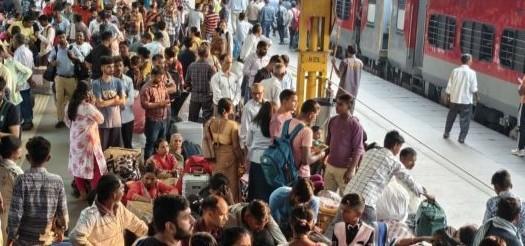
One of the primary concerns is the impact of crowded and polluted environments on human health. Cities are often characterized by high levels of air and noise pollution, which can have negative effects on respiratory and cardiovascular health. Furthermore, the lack of green spaces and limited contact with nature can lead to a range of problems, including reduced fertility, weakened immunity, and decreased physical strength.
Studies have shown that individuals living in urban areas tend to have lower sperm counts and reduced fertility compared to those living in rural areas. This is likely due to the increased exposure to pollutants, such as endocrine-disrupting chemicals, which can interfere with hormone production and reproductive development. Additionally, the stress and pressure of city life can also take a toll on mental health, leading to increased levels of anxiety and depression.
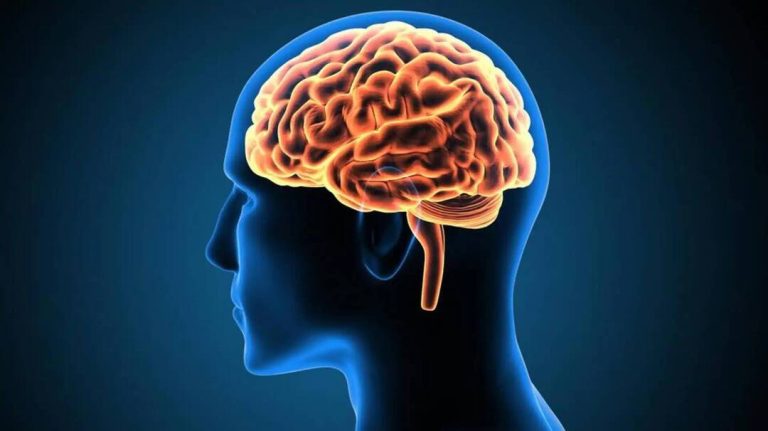
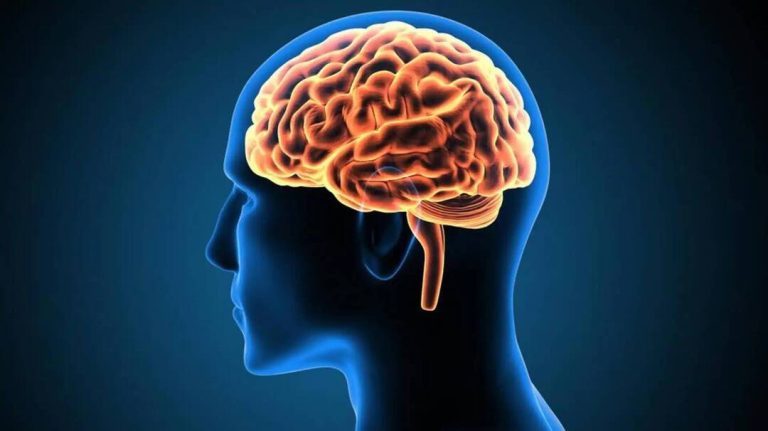
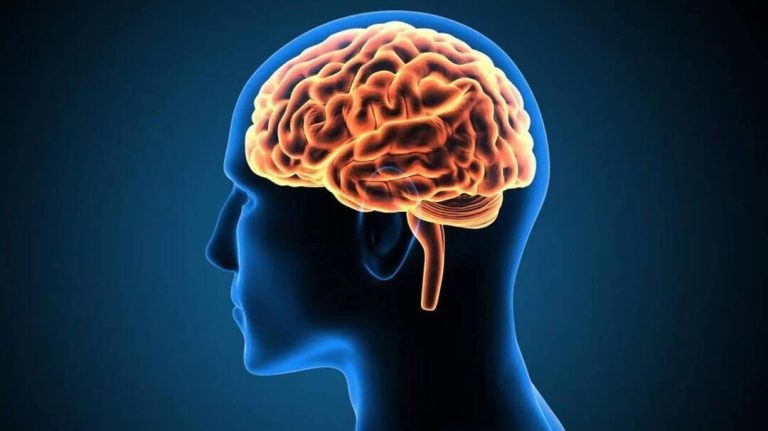
Another area of concern is the impact of modern city life on cognitive development. Children growing up in urban environments tend to have reduced access to natural light, fresh air, and opportunities for physical activity, which are essential for healthy brain development. This can lead to slower cognitive development, reduced attention span, and decreased academic performance.
Moreover, the urban lifestyle can also have a profound impact on our physical health. The sedentary nature of city life, combined with the abundance of unhealthy food options, can lead to increased rates of obesity, diabetes, and other diet-related diseases. Furthermore, the lack of physical activity and reduced exposure to natural light can disrupt our circadian rhythms, leading to sleep disorders and other related problems.
The effects of modern city life on human health are not limited to individuals; they can also have a profound impact on the health of future generations. The reduced fertility and increased exposure to pollutants can lead to a range of health problems, including birth defects and developmental disorders. Moreover, the stress and pressure of city life can also affect the health and well-being of pregnant women, leading to increased rates of pregnancy complications and adverse birth outcomes.
So, what can be done to mitigate the negative effects of modern city life on human health and reproductive functions? One approach is to incorporate more green spaces and natural environments into urban planning. This can include the creation of parks, gardens, and green roofs, which can provide opportunities for physical activity, reduce air pollution, and promote mental health.
Another approach is to promote healthier lifestyles and behaviors, such as increased physical activity, healthy eating, and reduced exposure to pollutants. This can be achieved through education and awareness campaigns, as well as the implementation of policies that support healthy living, such as bike-friendly infrastructure and access to healthy food options.
Finally, it is essential to recognize the importance of reproductive health and to take steps to protect it. This can include increased access to reproductive healthcare, education, and family planning services, as well as policies that support work-life balance and reduce the stress and pressure of city life.
In conclusion, the rise of modern cities has brought about numerous benefits, but it also poses significant risks to human health and reproductive functions. The crowded, polluted environments and limited contact with nature can reduce fertility, weaken immunity, slow cognitive development, and decrease physical strength. However, by incorporating more green spaces into urban planning, promoting healthier lifestyles and behaviors, and protecting reproductive health, we can mitigate these effects and create healthier, more sustainable cities for future generations.
News Source: https://onlinelibrary.wiley.com/doi/10.1111/brv.70094
About the Author