Miranda House, DRDO develop Indian chip to flag early heart attack risk in soldiers
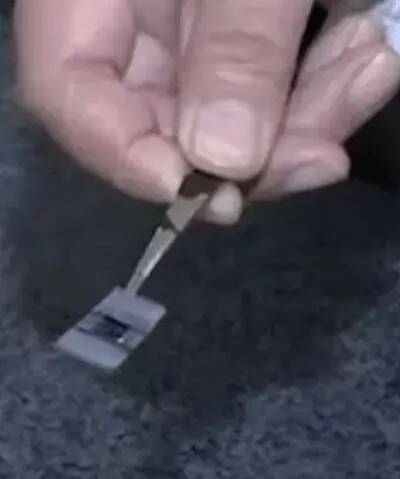
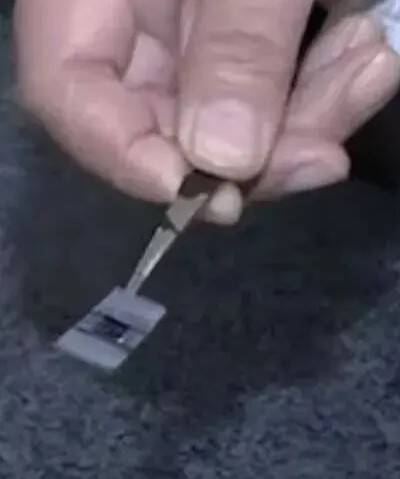
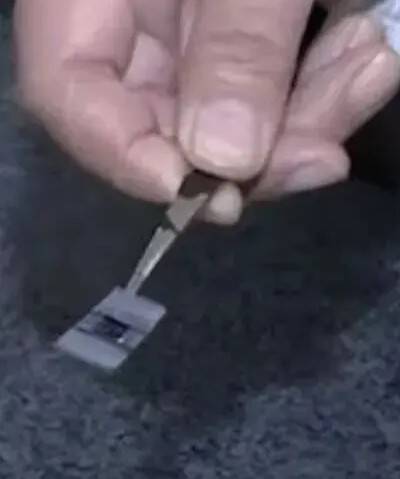
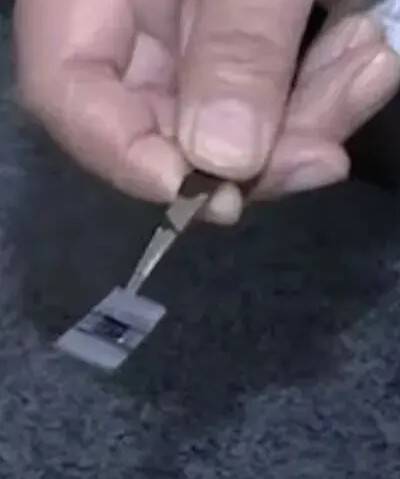
In a groundbreaking development, Miranda House, a premier women’s college in Delhi, has collaborated with the Defence Research and Development Organisation (DRDO) to create a Made-in-India biological chip that can detect early cardiac risk markers. This innovative chip, based on BioFET (Biosensor Field-Effect Transistor) technology, analyzes blood serum to identify warning signs linked to heart attacks, enabling timely medical intervention for soldiers operating in extreme, high-stress conditions.
The development of this indigenous chip is a significant milestone in the field of medical technology, as it has the potential to save countless lives of soldiers who are often exposed to harsh environments and high-stress situations. The chip is designed to detect biomarkers in blood serum that are indicative of cardiac risk, allowing for early intervention and treatment. This can be particularly crucial for soldiers who may not exhibit visible symptoms of heart disease, but are still at risk of suffering a heart attack.
The BioFET-based sensor is a highly sensitive and accurate technology that can detect even minor changes in blood serum, making it an ideal tool for early diagnosis and prevention of heart attacks. The chip is also compact, portable, and user-friendly, making it easy to use in field conditions. The fact that it is a Made-in-India product is also a significant advantage, as it reduces dependence on foreign technology and promotes self-reliance in the field of medical research and development.
The collaboration between Miranda House and DRDO is a testament to the growing partnership between academic institutions and research organizations in India. The project was led by a team of researchers from Miranda House, who worked closely with scientists from DRDO to develop the chip. The prototype has been handed over to DRDO for further testing and field trials, which will help to validate its efficacy and accuracy in real-world conditions.
The development of this chip has significant implications for the Indian military, which has been concerned about the growing incidence of heart-related problems among its personnel. The Indian Army, in particular, has been working to reduce the risk of heart attacks among its soldiers, who often operate in high-altitude and high-stress environments. The use of this chip could help to identify soldiers who are at risk of heart attacks, allowing for timely medical intervention and reducing the risk of fatalities.
The success of this project also highlights the importance of interdisciplinary research and collaboration in driving innovation. The team that developed the chip included researchers from diverse backgrounds, including biology, chemistry, physics, and engineering. This collaboration brought together different perspectives and expertise, leading to the development of a innovative solution that has the potential to save lives.
In addition to its potential applications in the military, the BioFET-based sensor also has implications for civilian healthcare. The chip could be used to detect early cardiac risk markers in individuals who are at risk of heart disease, allowing for early intervention and treatment. This could be particularly useful in rural and remote areas, where access to healthcare facilities and diagnostic equipment may be limited.
In conclusion, the development of the Made-in-India biological chip by Miranda House and DRDO is a significant achievement that has the potential to save countless lives. The chip’s ability to detect early cardiac risk markers in blood serum makes it an ideal tool for early diagnosis and prevention of heart attacks, particularly in high-stress environments. As the chip undergoes further testing and field trials, it is likely to have a significant impact on the Indian military and civilian healthcare systems.
About the Author