Miranda House, DRDO develop Indian chip to flag early heart attack risk in soldiers
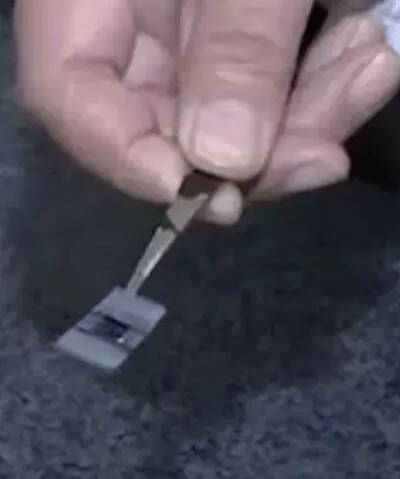
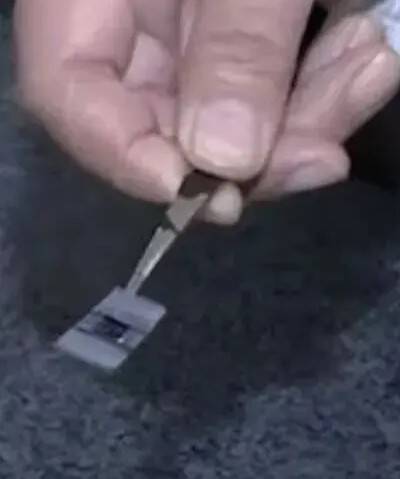
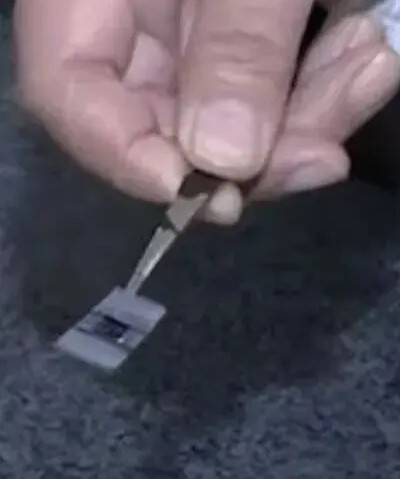
In a groundbreaking development, Miranda House, a prestigious college for women in Delhi, has collaborated with the Defence Research and Development Organisation (DRDO) to create a Made-in-India biological chip that can detect early cardiac risk markers in soldiers. This innovative chip, based on BioFET (Biosensors using Field-Effect Transistors) technology, analyzes blood serum to identify warning signs linked to heart attacks, enabling timely medical intervention for soldiers operating in extreme, high-stress conditions.
The development of this indigenous chip is a significant milestone in the field of biomedical engineering and is expected to have a profound impact on the health and well-being of soldiers serving in the Indian Armed Forces. The chip is designed to detect biomarkers in the blood that are indicative of cardiac risk, allowing for early identification and intervention. This can help prevent heart attacks and reduce the risk of cardiac-related deaths among soldiers.
The collaboration between Miranda House and DRDO is a testament to the growing partnership between academia and industry in India. The project was led by a team of researchers from Miranda House, who worked closely with scientists from DRDO to develop the chip. The team used cutting-edge technology to design and fabricate the BioFET-based sensor, which can detect changes in the blood serum that are indicative of cardiac risk.
The chip is designed to be user-friendly and can be easily integrated into a portable device, making it ideal for use in field conditions. The device can be used to analyze blood samples in real-time, providing instant results and enabling timely medical intervention. The chip is also highly sensitive and can detect even minor changes in the blood serum, making it an effective tool for early detection of cardiac risk markers.
The development of this indigenous chip is a significant achievement for India, as it reduces the country’s dependence on foreign technology and promotes self-reliance in the field of biomedical engineering. The chip is also expected to have a positive impact on the Indian economy, as it can be used to develop a range of medical devices and diagnostic tools.
The prototype of the chip has been handed over to DRDO for further testing and field trials. The organization will conduct extensive testing of the chip to validate its performance and accuracy. Once the chip is certified, it will be deployed in the field, where it can be used to monitor the health of soldiers and provide early warning signs of cardiac risk.
The development of this chip is a significant step forward in the use of technology to improve the health and well-being of soldiers. It demonstrates the potential of indigenous innovation to address the unique challenges faced by the Indian Armed Forces. The collaboration between Miranda House and DRDO is a shining example of the power of partnership between academia and industry, and is expected to pave the way for further innovation and development in the field of biomedical engineering.
In conclusion, the development of the Made-in-India biological chip by Miranda House and DRDO is a groundbreaking achievement that has the potential to save lives and improve the health and well-being of soldiers. The chip’s ability to detect early cardiac risk markers makes it an invaluable tool for the Indian Armed Forces, and its development is a testament to the growing capabilities of Indian academia and industry. As the chip undergoes further testing and validation, it is expected to have a significant impact on the health and well-being of soldiers, and will be a major step forward in the use of technology to improve military healthcare.
About the Author