Miranda House, DRDO develop Indian chip to flag early heart attack risk in soldiers
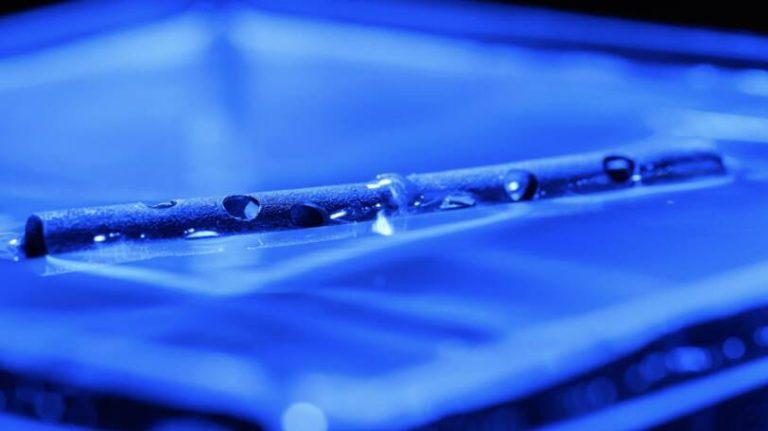
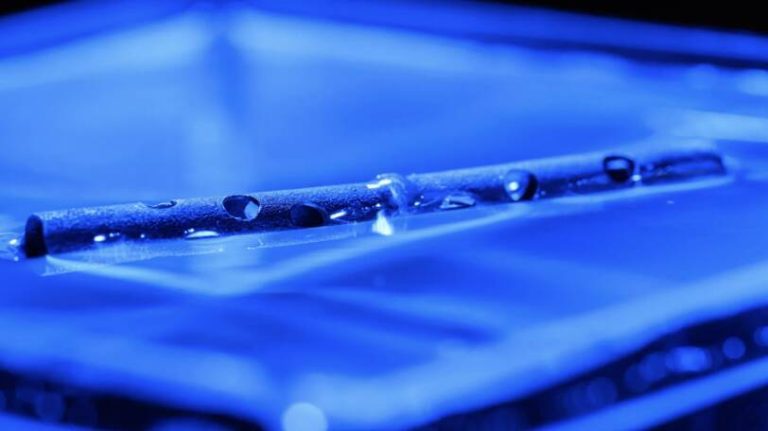
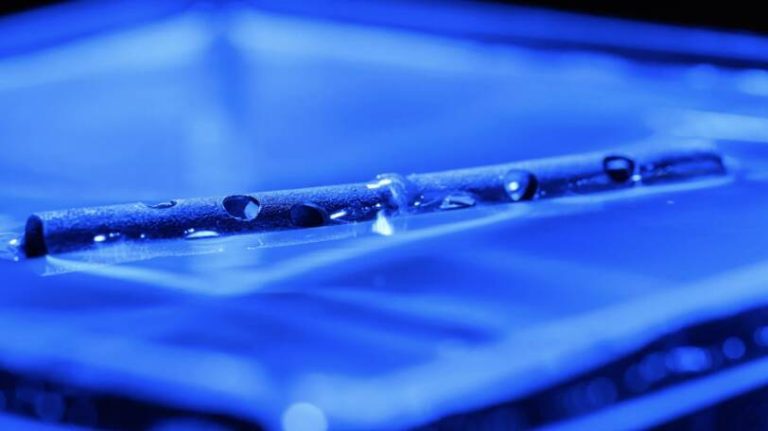
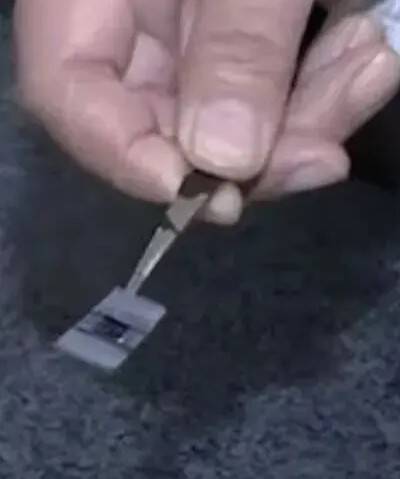
In a groundbreaking achievement, Miranda House, in collaboration with the Defence Research and Development Organisation (DRDO), has successfully developed a Made-in-India biological chip to detect early cardiac risk markers. This innovative chip, based on BioFET (Biosensor Field-Effect Transistor) technology, analyzes blood serum to identify warning signs linked to heart attacks, enabling timely medical intervention for soldiers operating in extreme, high-stress conditions. The prototype has been handed over to DRDO for further testing and field trials, marking a significant milestone in the development of indigenous healthcare technology.
The collaboration between Miranda House and DRDO aimed to address the pressing concern of cardiovascular diseases among soldiers, which can be exacerbated by the physical and emotional demands of their profession. The Indian military operates in diverse and often hostile environments, where access to medical facilities may be limited. Early detection of cardiac risk markers is crucial in preventing heart attacks and ensuring the health and well-being of soldiers. The development of this indigenous chip is a testament to the country’s growing capabilities in the field of biotechnology and healthcare innovation.
The BioFET-based sensor is designed to analyze blood serum samples, which contain various biomarkers that can indicate an increased risk of heart attack. These biomarkers, such as troponin and creatine kinase, are typically elevated in individuals with cardiac conditions. The sensor uses a specialized algorithm to detect these biomarkers, providing a rapid and accurate diagnosis of cardiac risk. This technology has the potential to revolutionize the field of cardiovascular disease diagnosis, enabling healthcare professionals to take proactive measures to prevent heart attacks and improve patient outcomes.
The development of this chip is also significant from a national security perspective. The Indian military operates in a wide range of environments, from the scorching deserts of Rajasthan to the freezing heights of the Himalayas. Soldiers are often exposed to extreme temperatures, high altitudes, and physical stress, which can increase their risk of cardiovascular disease. The ability to detect cardiac risk markers early can help prevent heart attacks and ensure that soldiers remain fit and ready for duty. This, in turn, can enhance national security by reducing the risk of medical emergencies and improving the overall effectiveness of the military.
The collaboration between Miranda House and DRDO is a shining example of the power of public-private partnerships in driving innovation. By leveraging the expertise of academia and industry, the development of this chip has been accelerated, and the costs associated with research and development have been reduced. This partnership has also facilitated the transfer of technology from the laboratory to the field, where it can have a meaningful impact on the lives of soldiers and civilians alike.
The prototype of the chip has been handed over to DRDO for further testing and field trials. These trials will be conducted in various military settings, including field hospitals and medical facilities, to validate the efficacy and reliability of the chip. The results of these trials will be used to refine the technology and ensure that it meets the stringent requirements of the military. Once the chip is fully developed and tested, it is expected to be deployed in various military settings, including field hospitals, medical facilities, and even in the field, where it can provide real-time monitoring of cardiac risk markers.
In conclusion, the development of the Made-in-India biological chip by Miranda House and DRDO is a significant achievement that has the potential to revolutionize the field of cardiovascular disease diagnosis. This innovative technology can help detect cardiac risk markers early, enabling timely medical intervention and improving patient outcomes. The collaboration between academia and industry has facilitated the development of this chip, and the results of the field trials will be eagerly awaited. As India continues to push the boundaries of innovation and technology, it is likely that we will see more such breakthroughs in the field of healthcare and beyond.
About the Author