Miranda House, DRDO develop Indian chip to flag early heart attack risk in soldiers
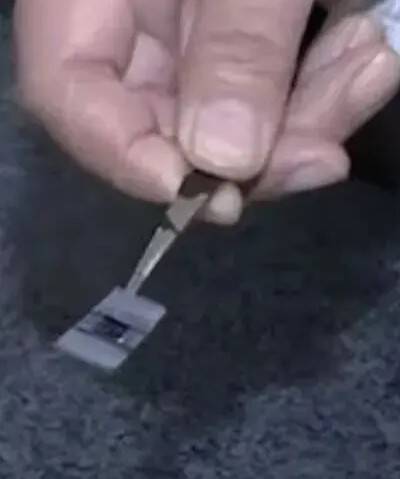
The Indian defense sector has witnessed a significant breakthrough in medical technology, thanks to the collaboration between Miranda House, a prestigious college in Delhi, and the Defence Research and Development Organisation (DRDO). The two entities have jointly developed a Made-in-India biological chip that can detect early cardiac risk markers, potentially saving the lives of soldiers operating in extreme, high-stress conditions. This innovative chip is designed to analyze blood serum and identify warning signs linked to heart attacks, enabling timely medical intervention.
The development of this indigenous chip is a significant milestone in India’s pursuit of self-reliance in medical technology. The BioFET-based sensor, as it is called, has the potential to revolutionize the way cardiac risks are diagnosed and treated, particularly in the defense sector. The chip’s ability to detect early warning signs of heart attacks can help prevent fatalities and reduce the burden on the healthcare system.
The collaboration between Miranda House and DRDO is a testament to the power of interdisciplinary research and development. The team of scientists and researchers from both organizations worked tirelessly to design and develop the chip, which has now been handed over to DRDO for further testing and field trials. The successful development of this chip is a result of the government’s initiatives to promote indigenous innovation and self-reliance in the defense sector.
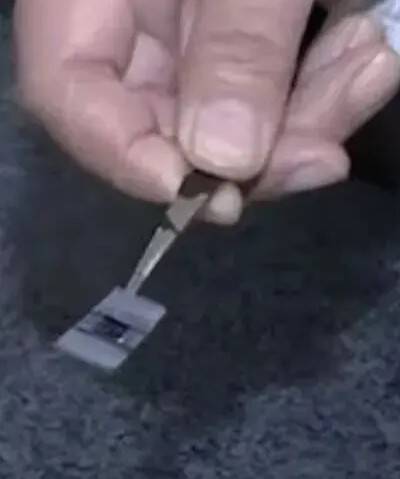
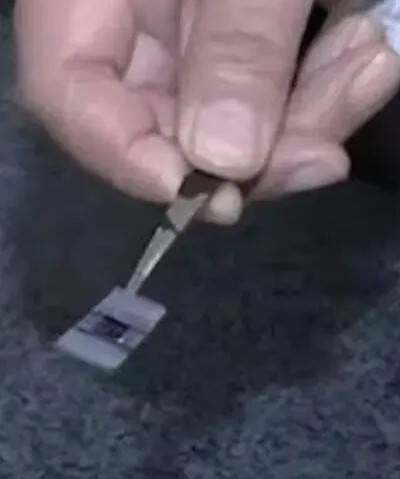
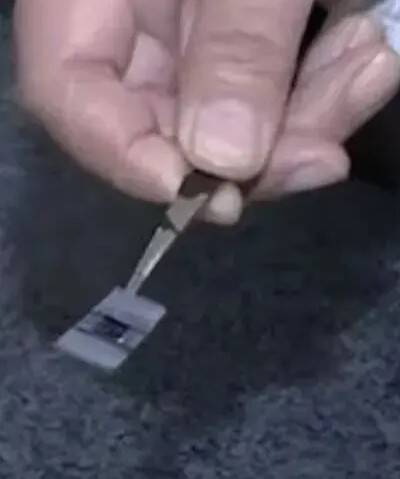
The BioFET-based sensor is a sophisticated device that uses advanced nanotechnology to analyze blood serum and detect biomarkers associated with cardiac risks. The chip is designed to be user-friendly and can be easily integrated into existing medical diagnostic systems. Its compact size and portability make it an ideal solution for use in remote and high-altitude areas, where access to medical facilities may be limited.
The development of this chip has significant implications for the Indian defense sector. Soldiers operating in extreme conditions, such as high-altitude areas or combat zones, are often at risk of cardiac problems due to the stress and physical demands of their job. The ability to detect early warning signs of heart attacks can help prevent fatalities and reduce the burden on the healthcare system. Additionally, the chip’s ability to analyze blood serum can help identify other health risks, such as diabetes and hypertension, which are common among soldiers.
The collaboration between Miranda House and DRDO is also a testament to the growing importance of academia-industry partnerships in driving innovation. The partnership has not only led to the development of a cutting-edge medical device but has also provided opportunities for students and researchers to work on real-world problems and develop practical solutions.
The development of the BioFET-based sensor is a significant step towards achieving the government’s vision of a self-reliant India. The Made-in-India chip is a testament to the country’s growing capabilities in medical technology and innovation. As the chip undergoes further testing and field trials, it is expected to have a significant impact on the healthcare sector, particularly in the defense sector.
In conclusion, the development of the Indian chip to flag early heart attack risk in soldiers is a significant breakthrough in medical technology. The collaboration between Miranda House and DRDO has resulted in the creation of a sophisticated device that can detect early cardiac risk markers and enable timely medical intervention. As the chip undergoes further testing and field trials, it is expected to have a significant impact on the healthcare sector and save the lives of soldiers operating in extreme conditions.
About the Author