Miranda House, DRDO develop Indian chip to flag early heart attack risk in soldiers
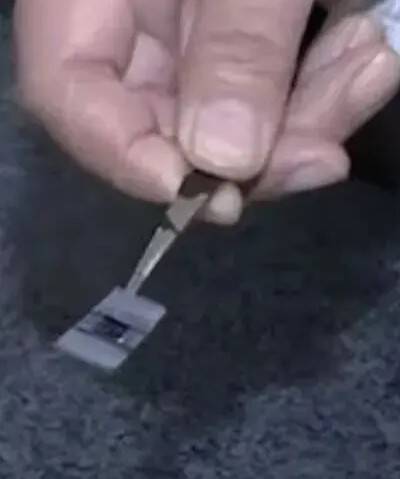
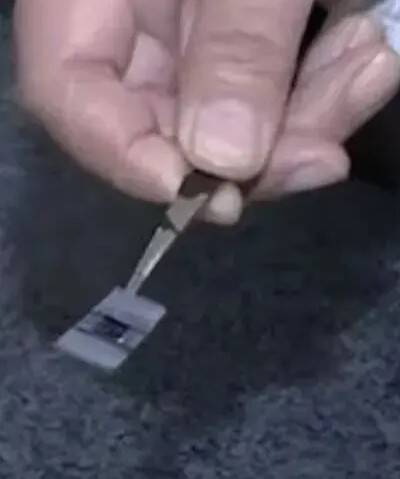
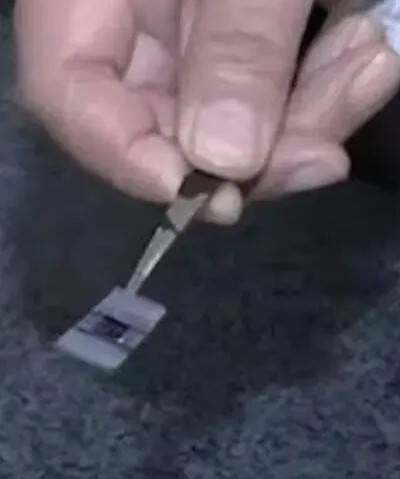
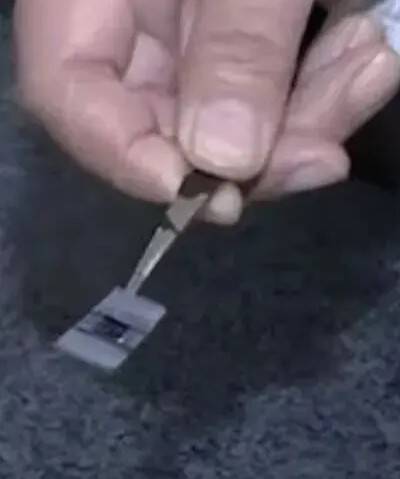
In a groundbreaking achievement, Miranda House, in collaboration with the Defence Research and Development Organisation (DRDO), has successfully developed a Made-in-India biological chip to detect early cardiac risk markers. This innovative chip, based on BioFET (Biosensor Field-Effect Transistor) technology, analyzes blood serum to identify warning signs linked to heart attacks, enabling timely medical intervention for soldiers operating in extreme, high-stress conditions. The prototype has been handed over to DRDO for further testing and field trials, marking a significant milestone in the development of indigenous medical technology.
The collaboration between Miranda House, a prestigious college for women in Delhi, and DRDO, the premier research and development organization of the Indian Ministry of Defence, has resulted in the creation of a cutting-edge biological chip that can detect cardiac risk markers with high accuracy. The chip uses a BioFET-based sensor to analyze blood serum, which is a critical component of blood that contains various biomarkers indicative of cardiac health. By identifying these biomarkers, the chip can flag early warning signs of a potential heart attack, allowing for prompt medical intervention.
The development of this chip is particularly significant for soldiers who operate in extreme, high-stress conditions, where the risk of heart attacks is higher due to various factors such as physical exertion, environmental stress, and emotional strain. The ability to detect cardiac risk markers early on can help prevent heart attacks and save lives, making this chip a valuable tool for the Indian military.
The BioFET-based sensor used in the chip is a highly sensitive and specific technology that can detect minute changes in the blood serum, indicating potential cardiac risks. The sensor is designed to analyze various biomarkers, including troponin, creatine kinase, and myoglobin, which are commonly associated with heart attacks. By detecting these biomarkers, the chip can provide early warning signs of a potential heart attack, enabling timely medical intervention.
The development of this chip is also a testament to the growing capabilities of Indian research institutions and industries in developing cutting-edge medical technologies. The collaboration between Miranda House and DRDO demonstrates the potential for academic institutions and research organizations to work together to develop innovative solutions that can address critical healthcare challenges.
The handover of the prototype to DRDO for further testing and field trials marks an important milestone in the development of this technology. The DRDO will conduct rigorous testing and validation of the chip to ensure its accuracy, reliability, and safety. Once the chip is validated, it is expected to be deployed in various military settings, including field hospitals and medical facilities, to help detect cardiac risk markers in soldiers.
The development of this chip also has broader implications for healthcare in India. The technology can be adapted for use in various healthcare settings, including hospitals, clinics, and diagnostic centers, to help detect cardiac risk markers in patients. This can enable early intervention and prevention of heart attacks, reducing the burden on the healthcare system and improving patient outcomes.
In conclusion, the development of the Made-in-India biological chip by Miranda House and DRDO is a significant achievement that can help detect early cardiac risk markers in soldiers and potentially save lives. The collaboration between academic institutions and research organizations demonstrates the potential for innovative solutions to be developed in India, addressing critical healthcare challenges. As the technology undergoes further testing and validation, it is expected to have a significant impact on healthcare in India and beyond.
About the Author