Miranda House, DRDO develop Indian chip to flag early heart attack risk in soldiers
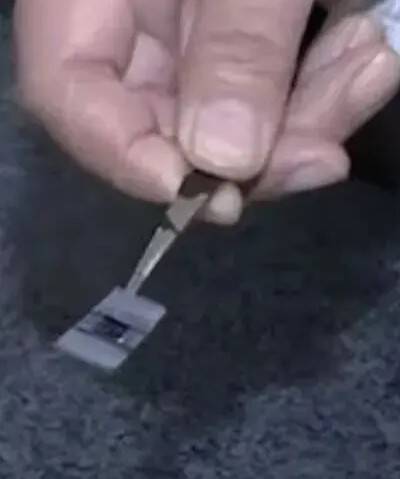
In a groundbreaking achievement, Miranda House, in collaboration with the Defence Research and Development Organisation (DRDO), has successfully developed a Made-in-India biological chip to detect early cardiac risk markers. This innovative BioFET-based sensor is designed to analyze blood serum and identify warning signs linked to heart attacks, enabling timely medical intervention for soldiers operating in extreme, high-stress conditions. The prototype has been handed over to DRDO for further testing and field trials, marking a significant milestone in the development of indigenous healthcare technology.
The collaborative project between Miranda House and DRDO aims to address the growing concern of cardiovascular diseases among soldiers, who often face unique challenges in their line of duty. Prolonged exposure to high-stress environments, physical exertion, and erratic lifestyles can increase the risk of heart attacks, making early detection and prevention crucial. The newly developed biological chip is poised to play a vital role in mitigating this risk, empowering soldiers with a reliable and efficient tool to monitor their cardiac health.
At the heart of this innovation lies the BioFET (Biosensor Field-Effect Transistor) technology, which enables the sensor to detect subtle changes in blood serum, indicative of early cardiac risk markers. By analyzing these biomarkers, the chip can identify warning signs linked to heart attacks, providing soldiers with a critical window of opportunity to seek medical attention. This proactive approach can significantly reduce the risk of cardiac events, ensuring the well-being and safety of soldiers in high-stress environments.
The development of this indigenous biological chip is a testament to India’s growing capabilities in the field of healthcare technology. By leveraging the expertise of Miranda House and DRDO, the project has successfully bridged the gap between academic research and practical application, yielding a innovative solution with far-reaching implications. The Made-in-India chip is not only a proud achievement for the country but also a significant step towards self-reliance in healthcare technology.
The collaboration between Miranda House and DRDO has been instrumental in driving this project forward. By pooling their resources and expertise, the two organizations have created a synergy that has yielded impressive results. The project’s success is a shining example of what can be achieved when academia and research institutions come together to address real-world challenges.
As the prototype is handed over to DRDO for further testing and field trials, the project is poised to enter its next phase. The upcoming trials will be crucial in validating the chip’s performance, accuracy, and reliability, paving the way for its eventual deployment in the field. With the Indian military’s diverse operational environments in mind, the testing will be designed to simulate a range of scenarios, ensuring the chip’s effectiveness in varying conditions.
The potential impact of this innovation extends beyond the military context, with far-reaching implications for the broader healthcare sector. The BioFET-based sensor technology has the potential to be adapted for use in civilian healthcare, enabling early detection and prevention of heart attacks in high-risk populations. By making this technology accessible to a wider audience, India can take a significant step towards reducing the burden of cardiovascular diseases, improving healthcare outcomes, and enhancing the overall quality of life.
In conclusion, the development of the Made-in-India biological chip by Miranda House and DRDO is a landmark achievement, showcasing India’s growing prowess in healthcare technology. By enabling early detection and prevention of heart attacks, this innovative solution has the potential to save countless lives, both in the military and civilian contexts. As the project moves forward, it is essential to recognize the significance of this collaboration, which has yielded a groundbreaking innovation with far-reaching implications for the country’s healthcare landscape.
About the Author