Miranda House, DRDO develop Indian chip to flag early heart attack risk in soldiers
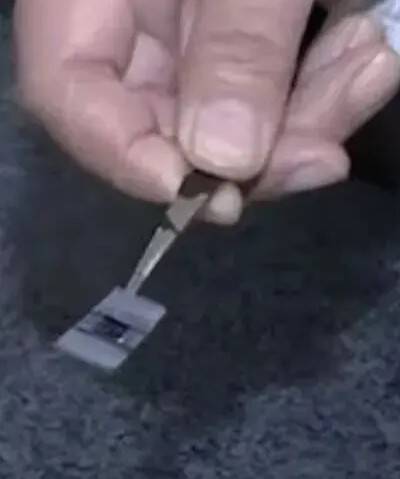
In a groundbreaking development, Miranda House, a prestigious college for women in Delhi, has collaborated with the Defence Research and Development Organisation (DRDO) to create a Made-in-India biological chip. This innovative chip is designed to detect early cardiac risk markers, enabling timely medical intervention for soldiers operating in extreme, high-stress conditions. The BioFET-based sensor analyses blood serum to identify warning signs linked to heart attacks, making it a potential lifesaver for those serving in the armed forces.
The development of this indigenous chip is a significant milestone in the field of medical technology, and it underscores the importance of collaboration between academic institutions and research organizations. By leveraging their collective expertise, Miranda House and DRDO have created a cutting-edge solution that can help mitigate the risk of heart attacks among soldiers. The prototype of the chip has been handed over to DRDO for further testing and field trials, paving the way for its potential deployment in the near future.
The Need for Early Detection
Heart attacks are a leading cause of death worldwide, and soldiers are particularly vulnerable due to the physical and mental stresses they endure. The extreme conditions they operate in, including high altitudes, intense physical activity, and exposure to harsh environments, can increase their risk of cardiac problems. Moreover, the symptoms of a heart attack can be subtle, making it challenging to detect the warning signs in time.
Early detection is critical in preventing heart attacks, as timely medical intervention can significantly improve outcomes. However, traditional methods of detecting cardiac risk markers often require bulky equipment, specialized personnel, and laboratory tests. These limitations can hinder the ability to provide prompt medical attention, especially in remote or high-stress environments.
The BioFET-based Sensor
The biological chip developed by Miranda House and DRDO addresses these challenges by using a BioFET-based sensor to analyze blood serum. BioFET, or biologically sensitive field-effect transistor, is a type of sensor that can detect changes in the electrical properties of biological molecules. In this case, the sensor is designed to identify specific biomarkers associated with heart attacks, such as troponin and creatine kinase.
The chip is small, portable, and user-friendly, making it an ideal solution for use in the field. It can be easily integrated into a handheld device, allowing soldiers to undergo testing in real-time, without the need for specialized equipment or laboratory facilities. The results are rapid, accurate, and reliable, enabling medical personnel to provide timely intervention and prevent potential heart attacks.
Collaboration and Innovation
The development of the indigenous chip is a testament to the power of collaboration between academic institutions and research organizations. Miranda House, with its strong foundation in science and technology, brought its expertise in biochemistry and biotechnology to the table. DRDO, with its extensive experience in developing innovative solutions for the armed forces, provided the necessary resources and support to bring the project to fruition.
This collaboration has not only resulted in a cutting-edge solution but also demonstrates the potential for academia and industry to work together to address pressing challenges. By leveraging their collective expertise, they can create innovative solutions that can benefit society as a whole.
Future Prospects
The development of the Made-in-India biological chip has significant implications for the healthcare sector, particularly in the context of cardiovascular disease. The chip has the potential to revolutionize the way cardiac risk markers are detected, enabling early intervention and prevention of heart attacks.
As the prototype undergoes further testing and field trials, it is likely that the chip will be refined and improved, leading to even more accurate and reliable results. The technology can also be adapted for use in other areas, such as diagnosing diseases or monitoring health parameters.
In conclusion, the development of the indigenous biological chip by Miranda House and DRDO is a groundbreaking achievement that can potentially save lives. By detecting early cardiac risk markers, the chip can enable timely medical intervention, reducing the risk of heart attacks among soldiers. This innovative solution is a testament to the power of collaboration and innovation, and it highlights the importance of investing in research and development to address pressing challenges.
About the Author