Miranda House, DRDO develop Indian chip to flag early heart attack risk in soldiers
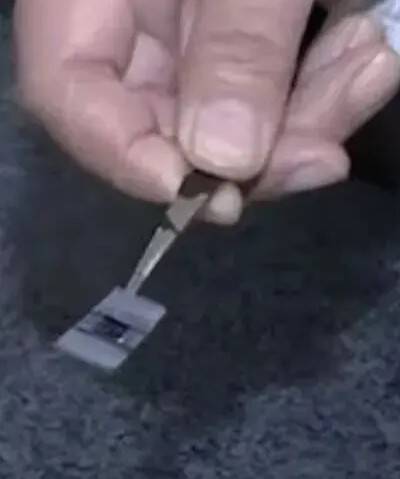
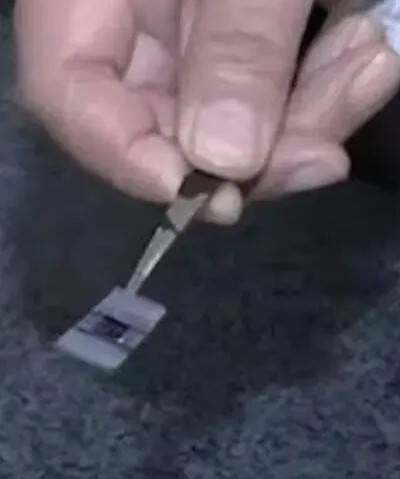
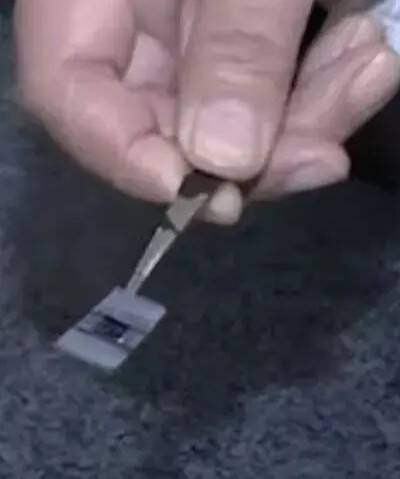
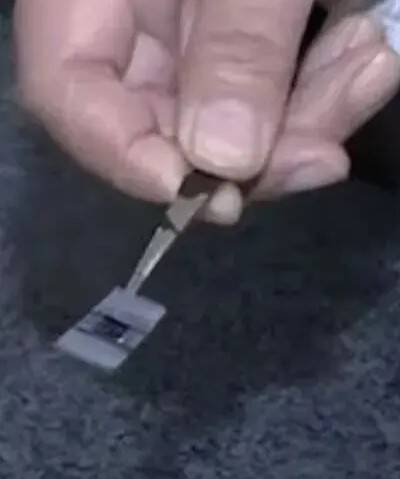
In a breakthrough development, Miranda House, in collaboration with the Defence Research and Development Organisation (DRDO), has successfully created a Made-in-India biological chip designed to detect early cardiac risk markers. This innovative BioFET-based sensor analyzes blood serum to identify warning signs linked to heart attacks, enabling timely medical intervention for soldiers operating in extreme, high-stress conditions. The prototype has been handed over to DRDO for further testing and field trials, marking a significant milestone in the development of indigenous medical technology.
The collaboration between Miranda House and DRDO is a testament to the growing emphasis on indigenous innovation and self-reliance in the Indian defense sector. By leveraging the expertise of academic institutions and research organizations, India is rapidly expanding its capabilities in cutting-edge technologies, including biotechnology and nanotechnology. The development of the biological chip is a shining example of this collaborative approach, with the potential to save countless lives and enhance the overall well-being of soldiers serving in the Indian armed forces.
The Need for Early Detection
Cardiovascular diseases are a leading cause of mortality worldwide, accounting for millions of deaths each year. In the context of military personnel, the risk of heart attacks is further exacerbated by the extreme physical and mental stresses associated with combat operations. Soldiers often operate in harsh environments, with limited access to medical facilities and specialized care. In such situations, early detection of cardiac risk markers is crucial to prevent heart attacks and ensure timely medical intervention.
The traditional methods of detecting heart attack risk involve invasive procedures, such as angiography, or rely on symptoms that may not always be apparent until it’s too late. The biological chip developed by Miranda House and DRDO offers a non-invasive, rapid, and accurate solution for identifying early warning signs of heart attacks. By analyzing blood serum, the chip can detect specific biomarkers associated with cardiac risk, enabling prompt medical attention and reducing the likelihood of fatalities.
The Technology Behind the Chip
The biological chip is based on BioFET (Biologically Functionalized Field-Effect Transistor) technology, which involves the integration of biological molecules with electronic sensors. The chip is designed to detect specific biomarkers present in blood serum, such as troponin and creatine kinase, which are indicative of cardiac damage. The BioFET sensor is highly sensitive and can detect even minor changes in biomarker levels, allowing for early detection of cardiac risk.
The chip is also designed to be user-friendly and portable, making it an ideal solution for military personnel operating in remote or high-stress environments. The device can be easily integrated into existing medical protocols, providing a rapid and accurate means of assessing cardiac risk. With further development and refinement, the biological chip has the potential to revolutionize the way cardiac risk is detected and managed, both in military and civilian contexts.
Implications and Future Directions
The successful development of the biological chip is a significant achievement for India’s defense sector, demonstrating the country’s growing capabilities in indigenous innovation and medical technology. The collaboration between Miranda House and DRDO highlights the importance of partnerships between academic institutions, research organizations, and industry stakeholders in driving innovation and advancing national interests.
As the biological chip undergoes further testing and field trials, it is expected to have a significant impact on the health and well-being of Indian soldiers. By enabling early detection of cardiac risk markers, the chip can help reduce the incidence of heart attacks and related fatalities, ultimately enhancing the overall effectiveness and operational readiness of the Indian armed forces.
The development of the biological chip also has broader implications for India’s healthcare sector, with potential applications in civilian medicine and public health. With further refinement and commercialization, the chip could become a valuable tool for detecting cardiac risk in high-risk populations, such as individuals with family histories of heart disease or those with existing cardiovascular conditions.
Conclusion
The development of the Made-in-India biological chip by Miranda House and DRDO is a groundbreaking achievement with significant implications for India’s defense sector and healthcare industry. By enabling early detection of cardiac risk markers, the chip has the potential to save countless lives and enhance the overall well-being of soldiers operating in extreme environments. As the chip undergoes further testing and refinement, it is expected to play a vital role in advancing India’s indigenous innovation capabilities and self-reliance in medical technology.
About the Author