Miranda House, DRDO develop Indian chip to flag early heart attack risk in soldiers
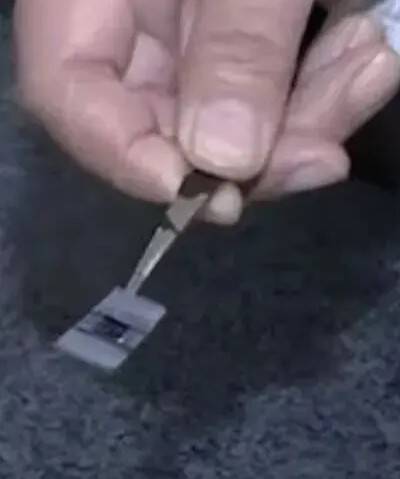
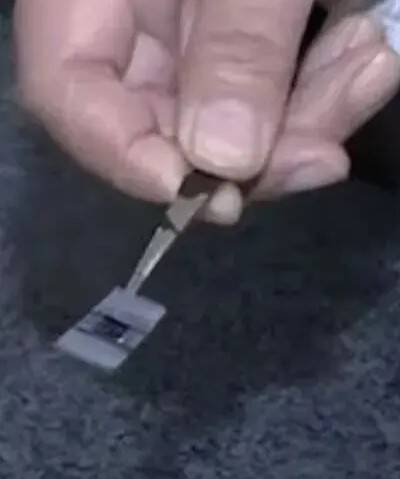
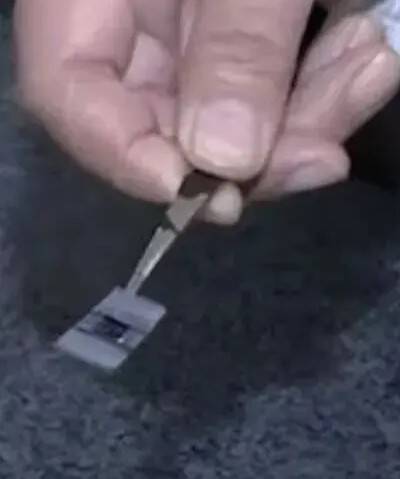
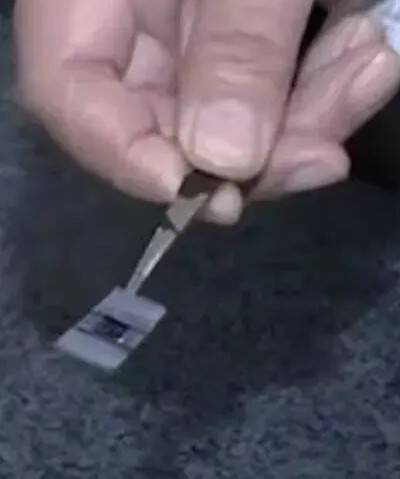
In a groundbreaking achievement, Miranda House, in collaboration with the Defence Research and Development Organisation (DRDO), has successfully developed a Made-in-India biological chip designed to detect early cardiac risk markers. This innovative BioFET-based sensor analyzes blood serum to identify warning signs linked to heart attacks, enabling timely medical intervention for soldiers operating in extreme, high-stress conditions. The prototype has been handed over to DRDO for further testing and field trials, marking a significant milestone in the development of indigenous medical technology.
The collaboration between Miranda House and DRDO has resulted in the creation of a cutting-edge biological chip that can detect early warning signs of heart attacks in soldiers. The chip uses a BioFET-based sensor to analyze blood serum and identify specific biomarkers that are associated with an increased risk of heart attacks. This technology has the potential to revolutionize the way medical professionals approach cardiac health, particularly in high-stress environments such as military operations.
The development of this chip is a testament to the power of collaboration between academic institutions and research organizations. Miranda House, a prestigious college for women in Delhi, has a strong reputation for excellence in science and technology, while DRDO is a leading research organization that has been at the forefront of developing innovative technologies for the Indian military. By combining their expertise and resources, the two organizations have been able to create a truly innovative solution that has the potential to save lives.
The biological chip developed by Miranda House and DRDO uses a BioFET-based sensor to analyze blood serum and detect specific biomarkers that are associated with an increased risk of heart attacks. The sensor is designed to be highly sensitive and specific, allowing it to detect even slight changes in the levels of these biomarkers. This enables medical professionals to identify individuals who are at risk of heart attacks and take proactive measures to prevent them.
The chip has been designed to be compact and portable, making it ideal for use in field conditions. It is also relatively inexpensive to produce, which makes it an attractive solution for large-scale deployment. The chip has been tested in laboratory settings and has shown promising results, with high accuracy and sensitivity in detecting biomarkers associated with heart attacks.
The development of this chip has significant implications for the Indian military, which operates in some of the most challenging and high-stress environments in the world. Soldiers often have to work in extreme conditions, such as high altitudes, extreme temperatures, and intense physical activity, which can put a strain on their cardiovascular systems. By using this chip, medical professionals can identify soldiers who are at risk of heart attacks and take proactive measures to prevent them, such as providing counseling, modifying their diets, and prescribing medication.
The chip also has potential applications in civilian healthcare, particularly in rural and remote areas where access to medical facilities and diagnostic equipment may be limited. By using this chip, medical professionals can quickly and easily diagnose cardiac risk factors and provide timely interventions, which can help to prevent heart attacks and save lives.
The prototype of the chip has been handed over to DRDO for further testing and field trials. The organization will conduct extensive testing and validation of the chip to ensure that it meets the required standards and specifications. Once the chip has been validated, it will be deployed in field conditions, where it will be used to monitor the cardiovascular health of soldiers and provide early warnings of heart attacks.
In conclusion, the development of the Made-in-India biological chip by Miranda House and DRDO is a significant achievement that has the potential to revolutionize the way medical professionals approach cardiac health. The chip’s ability to detect early warning signs of heart attacks and provide timely interventions can help to save lives, particularly in high-stress environments such as military operations. The collaboration between Miranda House and DRDO is a testament to the power of partnership and innovation, and we can expect to see many more exciting developments in the field of medical technology in the future.
About the Author