Miranda House, DRDO develop Indian chip to flag early heart attack risk in soldiers
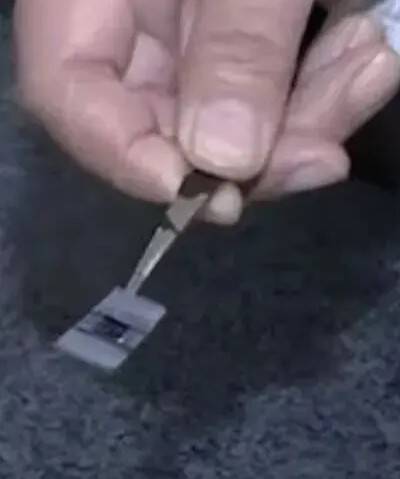
In a groundbreaking development, Miranda House, a prestigious college for women in Delhi, has collaborated with the Defence Research and Development Organisation (DRDO) to create a Made-in-India biological chip. This innovative chip is designed to detect early cardiac risk markers, enabling timely medical intervention for soldiers operating in extreme, high-stress conditions. The BioFET-based sensor analyses blood serum to identify warning signs linked to heart attacks, making it a potentially lifesaving technology for the Indian armed forces.
The development of this indigenous chip is a significant milestone in the country’s pursuit of self-reliance in the field of medical technology. By leveraging the expertise of Miranda House and DRDO, the researchers have created a prototype that can accurately detect biomarkers associated with heart attacks. This breakthrough has far-reaching implications for the health and well-being of soldiers, who often face immense physical and mental stress during their duties.
The collaboration between Miranda House and DRDO is a shining example of how academic institutions and research organizations can come together to drive innovation. By pooling their resources and expertise, they have created a technology that can make a tangible difference in the lives of soldiers. The BioFET-based sensor is a testament to the power of interdisciplinary research, bringing together concepts from biology, chemistry, and engineering to create a cutting-edge solution.
The chip works by analyzing blood serum to identify specific biomarkers that are linked to heart attacks. These biomarkers are often present in the blood long before the onset of a heart attack, providing a vital early warning system. By detecting these biomarkers, the chip can alert soldiers to the risk of a heart attack, enabling them to seek medical attention before it’s too late. This can be particularly crucial in high-stress environments, where soldiers may be more susceptible to cardiac problems.
The prototype of the chip has been handed over to DRDO for further testing and field trials. This is a critical phase in the development of the technology, as it will help to validate its efficacy and accuracy in real-world conditions. The researchers are confident that the chip will perform well in these trials, paving the way for its widespread adoption in the Indian armed forces.
The development of this indigenous chip is also a significant step towards reducing India’s dependence on foreign technology. By creating a Made-in-India solution, the country can avoid the costs and complexities associated with importing medical technology. This can also help to promote self-reliance and autonomy in the field of medical research, enabling India to develop its own solutions to unique challenges.
The implications of this technology extend far beyond the military, however. The BioFET-based sensor has the potential to benefit civilians as well, particularly those at high risk of heart attacks. By making this technology widely available, India can take a significant step towards reducing the burden of cardiovascular disease, which is one of the leading causes of death and disability in the country.
In conclusion, the development of the Indian chip by Miranda House and DRDO is a groundbreaking achievement that can have a profound impact on the health and well-being of soldiers. By detecting early cardiac risk markers, this technology can enable timely medical intervention, saving lives and reducing the risk of heart attacks. As the prototype undergoes further testing and field trials, we can expect to see this technology become an integral part of the Indian armed forces’ healthcare system. The collaboration between Miranda House and DRDO is a shining example of how innovation can be driven by partnerships between academic institutions and research organizations.
About the Author