Miranda House, DRDO develop Indian chip to flag early heart attack risk in soldiers
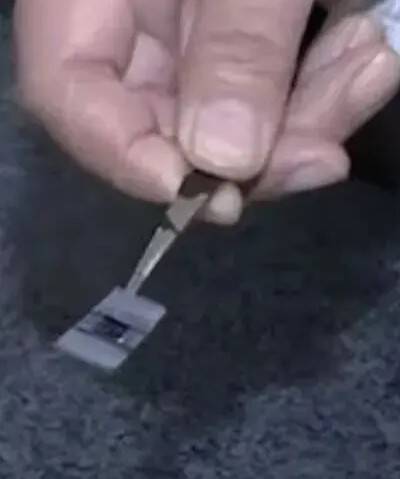
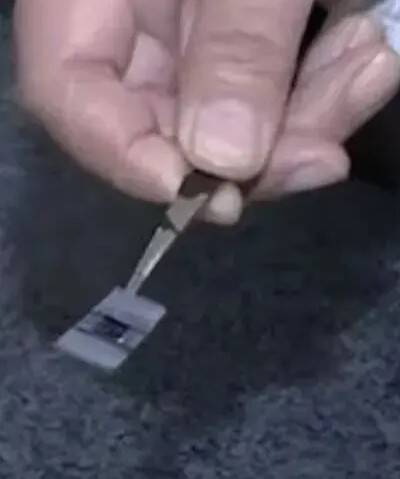
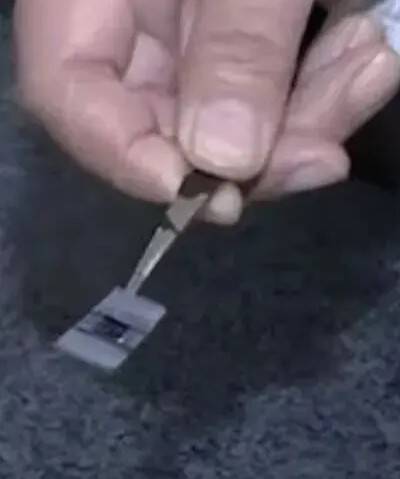
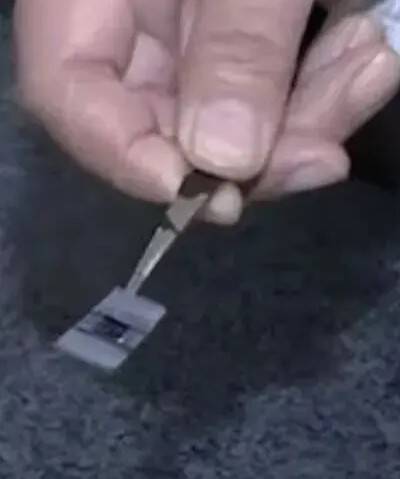
In a groundbreaking development, Miranda House, a premier women’s college in Delhi, has collaborated with the Defence Research and Development Organisation (DRDO) to create a Made-in-India biological chip that can detect early cardiac risk markers in soldiers. This innovative chip, which uses BioFET-based sensor technology, analyses blood serum to identify warning signs linked to heart attacks, enabling timely medical intervention for soldiers operating in extreme, high-stress conditions.
The development of this indigenous chip is a significant milestone in the field of medical technology, and it has the potential to save countless lives. The prototype of the chip has been handed over to DRDO for further testing and field trials, marking an important step towards its deployment in the field.
The Need for Early Detection
Heart attacks are a leading cause of death among soldiers, particularly those who operate in high-stress environments. The physical and mental demands of military service can take a toll on the cardiovascular system, increasing the risk of heart disease. Early detection of cardiac risk markers is crucial in preventing heart attacks, as it enables timely medical intervention and reduces the risk of fatalities.
However, traditional methods of detecting cardiac risk markers, such as electrocardiograms (ECGs) and blood tests, have limitations. They can be time-consuming, invasive, and may not always provide accurate results. The need for a rapid, non-invasive, and accurate method of detecting cardiac risk markers has been a long-standing challenge in the field of medicine.
The BioFET-Based Sensor
The biological chip developed by Miranda House and DRDO uses a BioFET-based sensor to analyse blood serum and detect early cardiac risk markers. BioFET, or Biosensor Field-Effect Transistor, is a type of sensor that uses a biological molecule, such as an antibody or enzyme, to detect specific biomarkers in a sample.
The BioFET-based sensor in the chip is designed to detect specific biomarkers associated with heart disease, such as troponin and creatine kinase. These biomarkers are released into the bloodstream when the heart is under stress or damaged, and their presence can indicate an increased risk of heart attack.
The sensor uses a small sample of blood serum, which is applied to the chip, and the results are available within minutes. The chip is also compact, portable, and easy to use, making it an ideal solution for use in the field.
Collaboration between Miranda House and DRDO
The development of the biological chip is the result of a collaboration between Miranda House and DRDO. The project was initiated by the Department of Biotechnology, Miranda House, which has a strong research focus in the field of biotechnology.
The team of researchers from Miranda House worked closely with scientists from DRDO to design and develop the chip. The collaboration brought together experts from different fields, including biotechnology, engineering, and medicine, to create a innovative solution to a pressing problem.
Implications and Future Directions
The development of the biological chip has significant implications for the health and well-being of soldiers. The chip has the potential to save countless lives by enabling early detection of cardiac risk markers and timely medical intervention.
The technology also has applications beyond the military, and can be used in hospitals, clinics, and other healthcare settings to detect cardiac risk markers in patients. The chip can also be used to monitor the effectiveness of treatment and to develop personalized treatment plans.
The next step in the development of the chip is further testing and field trials, which will be conducted by DRDO. The results of these trials will provide valuable insights into the effectiveness of the chip and its potential for deployment in the field.
Conclusion
The development of the Made-in-India biological chip by Miranda House and DRDO is a significant achievement in the field of medical technology. The chip has the potential to save countless lives by enabling early detection of cardiac risk markers and timely medical intervention. The collaboration between Miranda House and DRDO is a testament to the power of collaboration and innovation in addressing pressing problems.
As the chip undergoes further testing and field trials, it is likely to have a significant impact on the health and well-being of soldiers and civilians alike. The development of the chip is a proud moment for India, and it demonstrates the country’s capabilities in the field of medical technology.
About the Author