Miranda House, DRDO develop Indian chip to flag early heart attack risk in soldiers
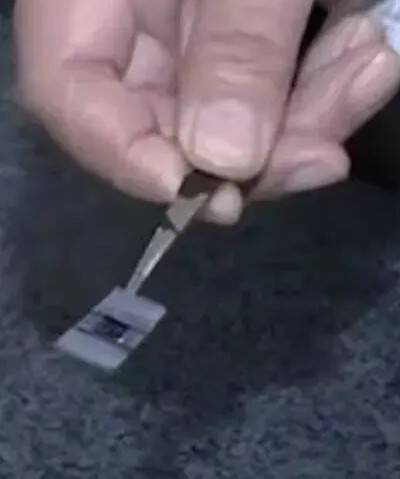
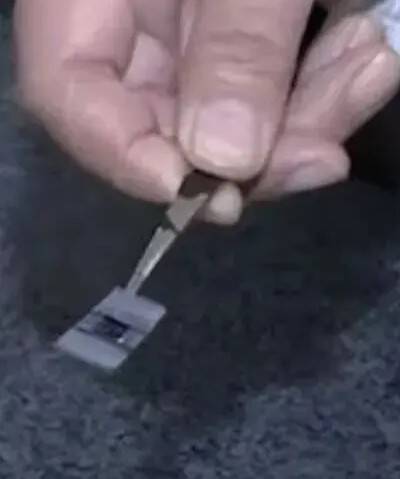
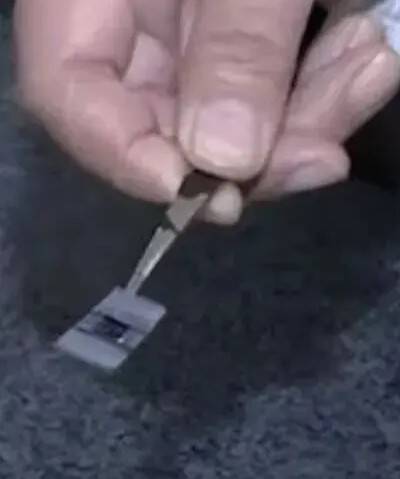
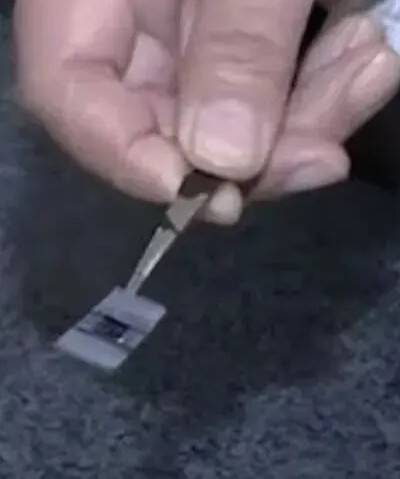
In a groundbreaking development, Miranda House, a prestigious college for women in Delhi, has collaborated with the Defence Research and Development Organisation (DRDO) to create a Made-in-India biological chip. This innovative chip is designed to detect early cardiac risk markers, enabling timely medical intervention for soldiers operating in extreme, high-stress conditions. The BioFET-based sensor analyses blood serum to identify warning signs linked to heart attacks, making it a potentially lifesaving technology for the Indian armed forces.
The development of this indigenous chip is a significant milestone in the field of medical technology, particularly in the context of India’s defense sector. The Indian military operates in some of the most challenging and high-stress environments in the world, where the risk of heart attacks and other cardiovascular diseases is elevated. The ability to detect early warning signs of heart attacks can be a game-changer for soldiers, allowing them to seek medical attention before it’s too late.
The BioFET-based sensor chip is a testament to the power of collaboration between academic institutions and defense research organizations. The team of researchers from Miranda House, led by Dr. Nandita Singh, worked closely with scientists from DRDO to develop the chip. The prototype has been successfully developed and has been handed over to DRDO for further testing and field trials.
The chip uses a Biosensor-based Field-Effect Transistor (BioFET) to analyze blood serum and detect biomarkers associated with cardiac risk. The BioFET sensor is a highly sensitive and specific technology that can detect minute changes in the blood serum, allowing for early detection of heart attack risk. The chip is designed to be portable, easy to use, and requires minimal training, making it an ideal solution for field deployment.
The development of this chip has significant implications for the Indian military. Soldiers operating in high-stress environments, such as high-altitude areas or combat zones, are at a higher risk of heart attacks and other cardiovascular diseases. The ability to detect early warning signs of heart attacks can help prevent fatalities and reduce the risk of long-term health problems.
The collaboration between Miranda House and DRDO is also a shining example of the potential for academic institutions to contribute to India’s defense sector. The partnership has not only led to the development of a cutting-edge technology but has also provided opportunities for students and researchers to work on projects with real-world applications.
The development of the indigenous chip is also a significant step towards reducing India’s dependence on foreign technology. The Indian government has been actively promoting the development of indigenous technologies, particularly in the defense sector. The BioFET-based sensor chip is a prime example of how Indian researchers and scientists can develop world-class technologies that meet the country’s defense needs.
In conclusion, the development of the Made-in-India biological chip by Miranda House and DRDO is a significant achievement that has the potential to save lives. The BioFET-based sensor chip is a testament to the power of collaboration between academic institutions and defense research organizations. As the chip undergoes further testing and field trials, it is likely to become a valuable tool for the Indian military, enabling soldiers to operate in high-stress environments with greater safety and confidence.
About the Author