Miranda House, DRDO develop Indian chip to flag early heart attack risk in soldiers
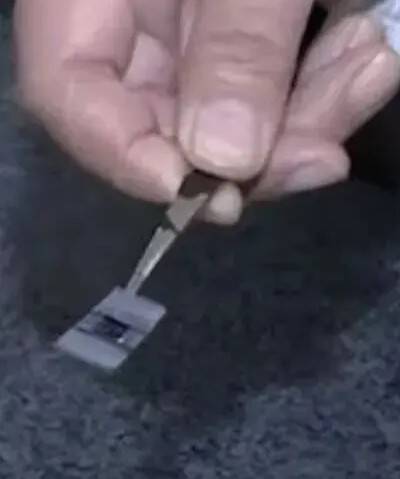
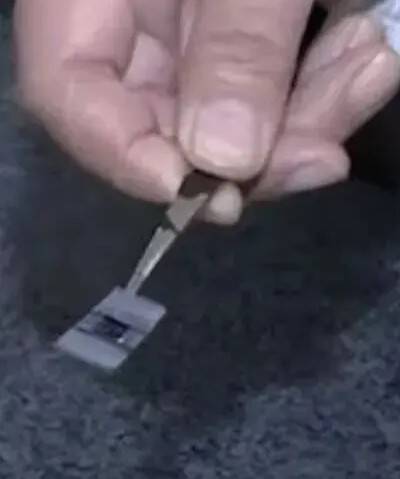
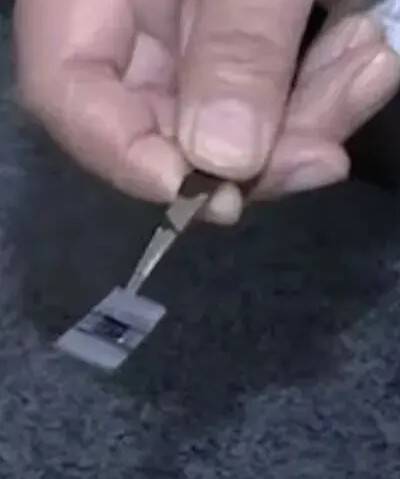
The Indian defense sector has taken a significant leap forward in developing cutting-edge technology to protect its soldiers from health risks. In a groundbreaking collaboration, Miranda House, a prestigious college for women in Delhi, has joined hands with the Defense Research and Development Organization (DRDO) to create a Made-in-India biological chip. This innovative chip is designed to detect early cardiac risk markers, enabling timely medical intervention for soldiers operating in extreme, high-stress conditions. The prototype of this BioFET-based sensor has been successfully developed and handed over to DRDO for further testing and field trials.
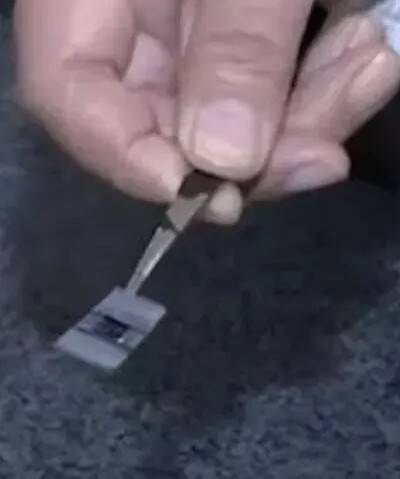
The development of this indigenous chip is a testament to India’s growing capabilities in the field of biotechnology and defense research. The BioFET-based sensor is a biosensor that uses a field-effect transistor (FET) to detect changes in the electrical properties of a solution, such as blood serum. This sensor can analyze blood serum to identify warning signs linked to heart attacks, allowing for early detection and prevention of cardiac risks. The chip is designed to be user-friendly, portable, and compact, making it an ideal tool for soldiers operating in remote and high-stress environments.
The collaboration between Miranda House and DRDO is a perfect example of how academic institutions and research organizations can come together to develop innovative solutions for real-world problems. The project was led by a team of researchers from Miranda House, who worked closely with scientists from DRDO to design and develop the chip. The team used a combination of biological and engineering expertise to create a sensor that can accurately detect cardiac risk markers in blood serum.
The development of this chip has significant implications for the Indian defense sector. Soldiers operating in extreme conditions, such as high-altitude areas or combat zones, are at a higher risk of cardiac problems due to stress, fatigue, and other factors. The ability to detect early cardiac risk markers can help prevent heart attacks and save lives. The chip can also be used to monitor the health of soldiers in real-time, enabling timely medical intervention and reducing the risk of cardiac emergencies.
The BioFET-based sensor is a significant improvement over traditional methods of detecting cardiac risk markers. Traditional methods often require complex and time-consuming laboratory tests, which may not be feasible in remote or high-stress environments. The chip, on the other hand, is a rapid and portable diagnostic tool that can provide accurate results in a matter of minutes. This makes it an ideal tool for soldiers operating in areas where access to medical facilities may be limited.
The success of this project is a testament to the growing capabilities of Indian academic institutions and research organizations in the field of biotechnology and defense research. The collaboration between Miranda House and DRDO demonstrates the potential for innovation and collaboration between different sectors. The project also highlights the importance of investing in research and development, particularly in areas that have significant implications for national security and public health.
The next step for the project is to conduct further testing and field trials to validate the efficacy of the chip. DRDO will be responsible for conducting these trials, which will involve testing the chip in real-world conditions. The results of these trials will be used to refine the design and functionality of the chip, ensuring that it meets the required standards for use in the defense sector.
In conclusion, the development of the Made-in-India biological chip by Miranda House and DRDO is a significant achievement that has the potential to save lives and improve the health and well-being of soldiers operating in extreme conditions. The chip is a testament to India’s growing capabilities in the field of biotechnology and defense research, and demonstrates the potential for innovation and collaboration between different sectors. As the project moves forward, it is likely to have a significant impact on the Indian defense sector and beyond.
About the Author