Miranda House, DRDO develop Indian chip to flag early heart attack risk in soldiers
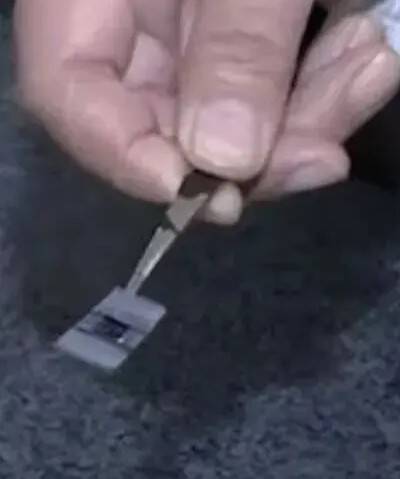
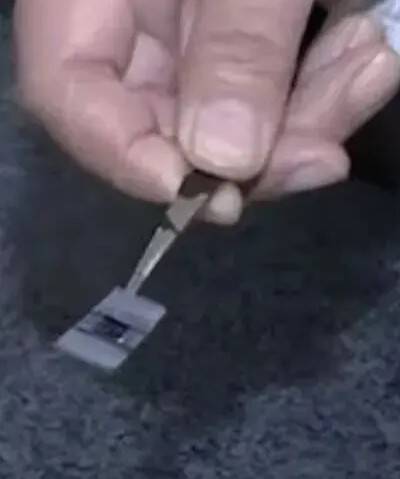
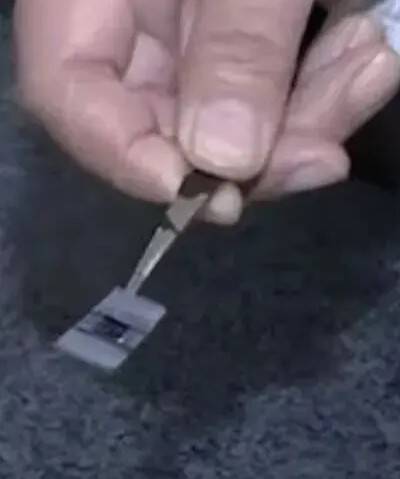
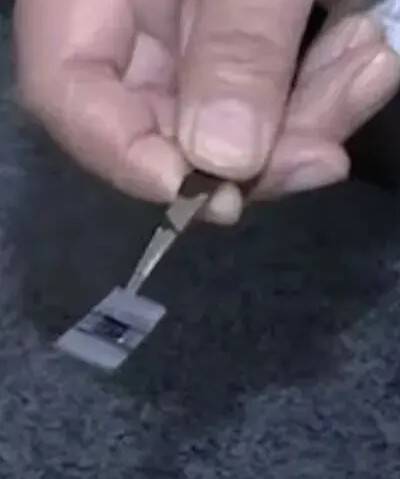
In a groundbreaking achievement, Miranda House, in collaboration with the Defence Research and Development Organisation (DRDO), has successfully developed a Made-in-India biological chip designed to detect early cardiac risk markers. This innovative BioFET-based sensor analyzes blood serum to identify warning signs linked to heart attacks, enabling timely medical intervention for soldiers operating in extreme, high-stress conditions. The prototype has been handed over to DRDO for further testing and field trials, marking a significant milestone in the development of indigenous healthcare technology.
The collaborative project between Miranda House and DRDO aims to address the critical issue of cardiac health among soldiers, who often face immense physical and mental stress due to their demanding duties. The chip is designed to provide an early warning system, allowing for prompt medical attention and potentially saving lives. By leveraging cutting-edge technology, the researchers have created a compact, user-friendly device that can be easily integrated into existing medical protocols.
The BioFET-based sensor works by analyzing blood serum samples to detect specific biomarkers associated with cardiac risk. These biomarkers, such as troponin and creatine kinase, are released into the bloodstream when the heart is under stress or damaged. By identifying these warning signs, the chip can alert medical professionals to the potential risk of a heart attack, enabling them to take preventive measures and provide timely treatment.
The development of this indigenous chip is a significant achievement for several reasons. Firstly, it demonstrates the capabilities of Indian researchers and scientists in creating innovative, world-class technology. Secondly, it highlights the importance of collaboration between academic institutions and government organizations in driving innovation and addressing critical national needs. Finally, it showcases the potential of Made-in-India technology to address specific challenges faced by the country’s defense personnel.
The chip’s potential applications extend beyond the military, with potential uses in civilian healthcare settings as well. By providing an early warning system for cardiac risk, the chip could help prevent heart attacks and improve treatment outcomes for patients across the country. Additionally, the technology could be adapted for use in other medical applications, such as detecting biomarkers for diseases like cancer or diabetes.
The successful development of the chip is a testament to the dedication and expertise of the research team, which included scientists and engineers from Miranda House and DRDO. The collaboration brought together experts from various fields, including biotechnology, electronics, and materials science, to create a truly interdisciplinary solution.
As the prototype undergoes further testing and field trials, there is excitement about the potential impact of this technology on the lives of soldiers and civilians alike. By providing an early warning system for cardiac risk, the chip could help save lives, reduce healthcare costs, and improve overall well-being.
In conclusion, the development of the Made-in-India biological chip by Miranda House and DRDO is a groundbreaking achievement that highlights the potential of indigenous technology to address critical national needs. By providing an early warning system for cardiac risk, the chip could help prevent heart attacks and improve treatment outcomes for soldiers and civilians alike. As the technology continues to evolve and improve, it is likely to have a significant impact on the healthcare sector, both in India and globally.
About the Author