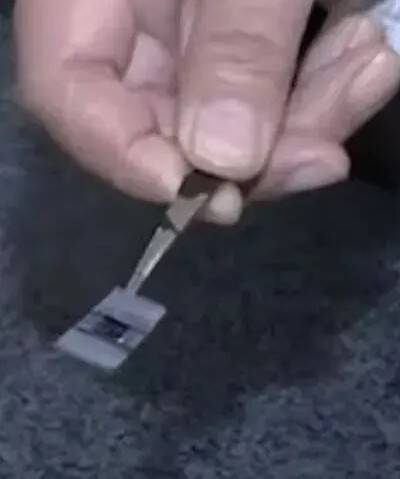
Miranda House, DRDO develop Indian chip to flag early heart attack risk in soldiers
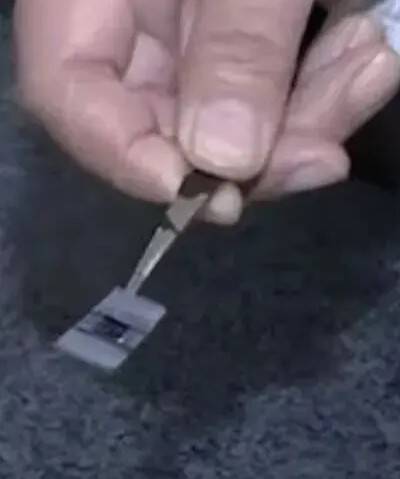
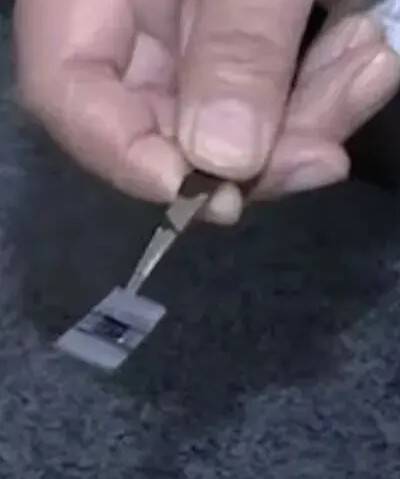
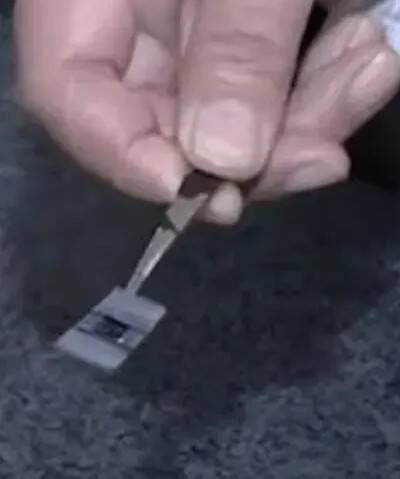
In a groundbreaking achievement, Miranda House, a premier college for women in Delhi, has collaborated with the Defence Research and Development Organisation (DRDO) to develop a Made-in-India biological chip that can detect early cardiac risk markers. The innovative BioFET-based sensor is designed to analyze blood serum and identify warning signs linked to heart attacks, enabling timely medical intervention for soldiers operating in extreme, high-stress conditions.
The development of this indigenous chip is a significant milestone in the field of medical technology, and it has the potential to revolutionize the way we approach heart health, particularly for individuals who are at high risk of cardiac problems. The prototype of the chip has been handed over to DRDO for further testing and field trials, marking a crucial step towards its potential deployment in the field.
The collaboration between Miranda House and DRDO is a testament to the power of interdisciplinary research and the importance of partnerships between academic institutions and government organizations. The project was led by a team of researchers from Miranda House, who worked closely with scientists from DRDO to design and develop the chip. The team’s efforts were driven by the need to create a cost-effective, reliable, and easy-to-use solution for detecting cardiac risk markers in soldiers.
The BioFET-based sensor is a highly sensitive and specific device that can detect minute changes in blood serum, which can indicate an increased risk of heart attack. The sensor uses a novel approach to analyze the blood serum, which involves measuring the changes in the electrical properties of the serum. This approach allows for the detection of cardiac risk markers at a very early stage, enabling timely medical intervention and potentially saving lives.
The development of the chip is also significant from a technological perspective. The use of BioFET-based sensors is a relatively new area of research, and the team’s success in developing a working prototype is a major achievement. The chip is also highly portable and can be used in remote locations, making it an ideal solution for soldiers who are deployed in extreme environments.
The potential impact of this technology is enormous. Heart attacks are a leading cause of death among soldiers, particularly those who are deployed in high-stress environments. The ability to detect cardiac risk markers at an early stage can help prevent heart attacks and save lives. The chip can also be used to monitor the health of soldiers over time, enabling early intervention and reducing the risk of cardiac problems.
The development of the chip is also a significant step towards achieving self-reliance in medical technology. India has long relied on imported medical devices, which can be expensive and may not always be tailored to the country’s specific needs. The development of an indigenous chip is a major achievement, and it demonstrates the country’s capabilities in the field of medical technology.
The collaboration between Miranda House and DRDO is also a testament to the importance of partnerships between academic institutions and government organizations. The project demonstrates the potential for academic institutions to contribute to the development of innovative solutions that can address real-world problems. The partnership also highlights the importance of interdisciplinary research, which involves the collaboration of researchers from different fields to develop innovative solutions.
In conclusion, the development of the Made-in-India biological chip is a significant achievement that has the potential to revolutionize the way we approach heart health. The collaboration between Miranda House and DRDO is a testament to the power of interdisciplinary research and the importance of partnerships between academic institutions and government organizations. The chip has the potential to save lives and reduce the risk of cardiac problems among soldiers, and it demonstrates India’s capabilities in the field of medical technology.
About the Author