Miranda House, DRDO develop Indian chip to flag early heart attack risk in soldiers
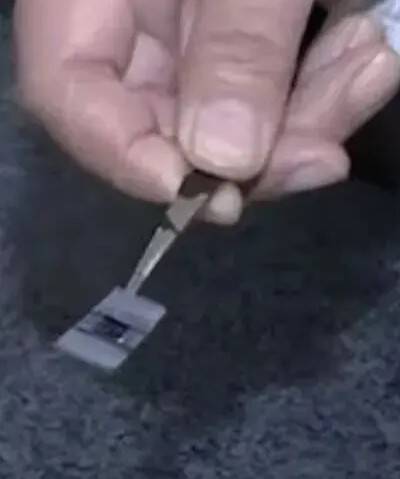
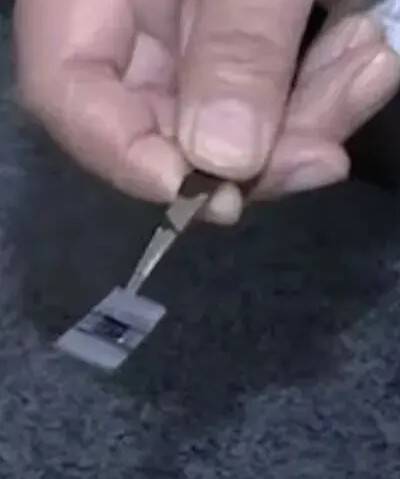
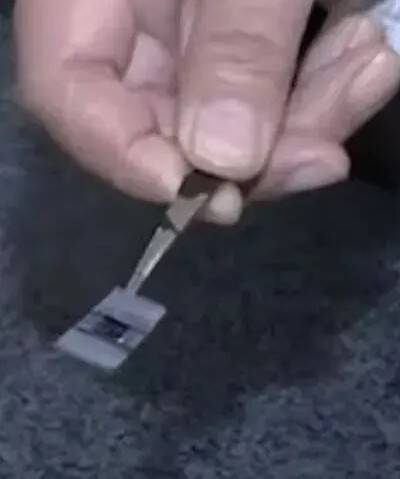
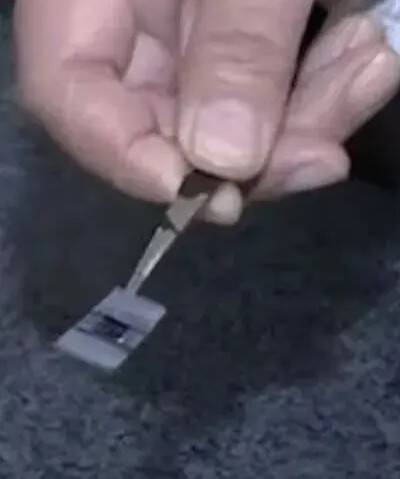
The Indian defense sector has taken a significant leap forward with the development of a Made-in-India biological chip designed to detect early cardiac risk markers in soldiers. This innovative chip, a result of collaboration between Miranda House and the Defense Research and Development Organization (DRDO), has the potential to revolutionize the way cardiac health is monitored, especially in extreme and high-stress environments. The BioFET-based sensor is capable of analyzing blood serum to identify warning signs linked to heart attacks, enabling timely medical intervention and potentially saving countless lives.
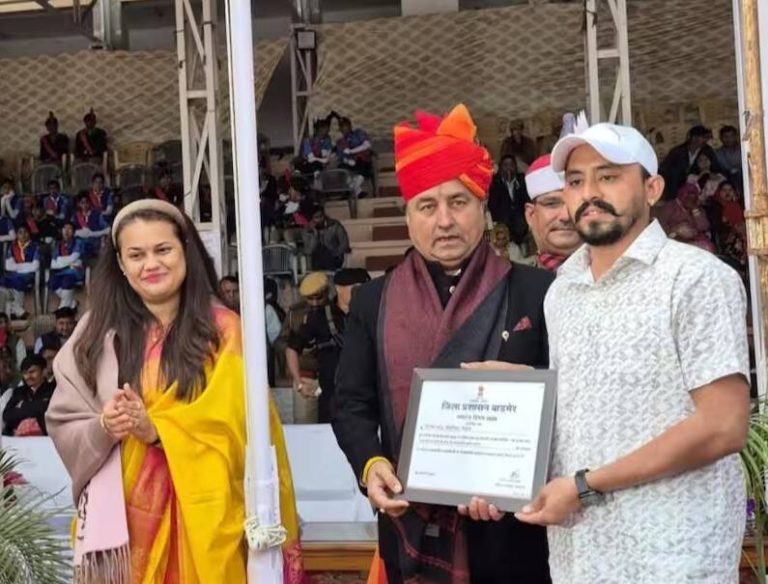
The development of this chip is a testament to India’s growing capabilities in the field of biotechnology and defense research. The partnership between Miranda House, a prestigious college for women in Delhi, and DRDO, a premier research organization, has resulted in a cutting-edge technology that can be used to protect the health and well-being of Indian soldiers. The chip is designed to be user-friendly, compact, and portable, making it an ideal solution for use in the field.
The BioFET-based sensor works by analyzing blood serum to detect biomarkers that are indicative of cardiac risk. These biomarkers, such as troponin and creatine kinase, are released into the bloodstream when the heart is under stress or damaged. By detecting these biomarkers, the chip can provide an early warning system for heart attacks, allowing for timely medical intervention. This is particularly important for soldiers who operate in extreme environments, where access to medical care may be limited.
The development of this chip is a significant breakthrough for the Indian defense sector, as it addresses a critical concern for soldiers operating in high-stress conditions. Cardiac health is a major risk factor for soldiers, particularly those who are deployed in extreme environments, such as high-altitude or desert regions. The ability to detect early cardiac risk markers can help prevent heart attacks and other cardiovascular events, which can be debilitating or even fatal.
The prototype of the chip has been handed over to DRDO for further testing and field trials. This is a critical step in the development process, as it will help to validate the efficacy and reliability of the chip in real-world conditions. The trials will involve testing the chip on a large sample size of soldiers, to ensure that it is effective in detecting early cardiac risk markers and providing timely warnings.
The potential applications of this technology are vast and far-reaching. In addition to its use in the defense sector, the chip could also be used in civilian healthcare settings, such as hospitals and clinics. It could be used to monitor patients who are at risk of heart disease, providing early warnings and enabling timely medical intervention. The chip could also be used in emergency medical response situations, such as ambulances and emergency rooms, to quickly assess patients and provide critical care.
The development of this chip is also a significant milestone for India’s “Make in India” initiative, which aims to promote indigenous manufacturing and innovation. The chip is a testament to India’s growing capabilities in the field of biotechnology and defense research, and demonstrates the country’s ability to develop cutting-edge technologies that can compete with the best in the world.
In conclusion, the development of the Made-in-India biological chip by Miranda House and DRDO is a significant breakthrough for the Indian defense sector. The chip has the potential to revolutionize the way cardiac health is monitored, particularly in extreme and high-stress environments. With its ability to detect early cardiac risk markers and provide timely warnings, the chip could help prevent heart attacks and other cardiovascular events, saving countless lives. As the chip undergoes further testing and field trials, it is likely to have a significant impact on the health and well-being of Indian soldiers, and could also have far-reaching applications in civilian healthcare settings.
About the Author