Miranda House, DRDO develop Indian chip to flag early heart attack risk in soldiers
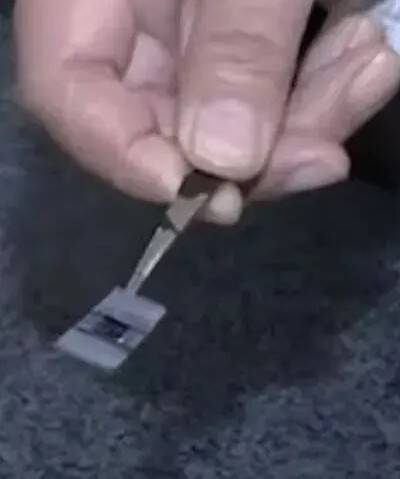
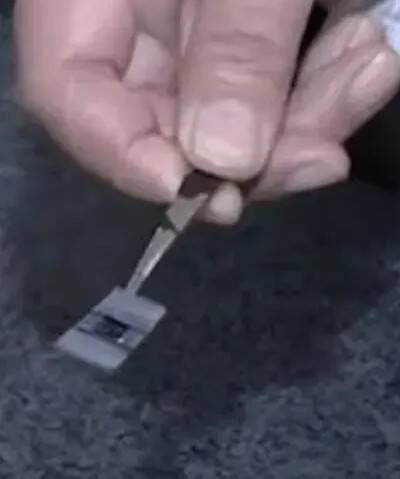
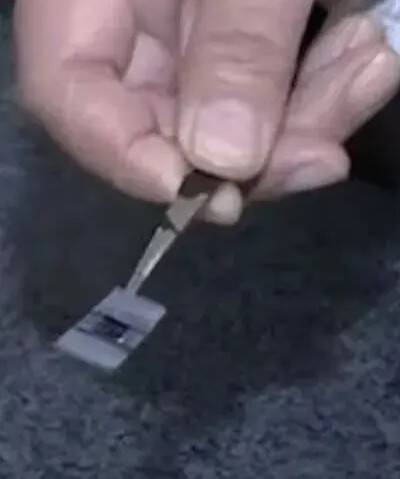
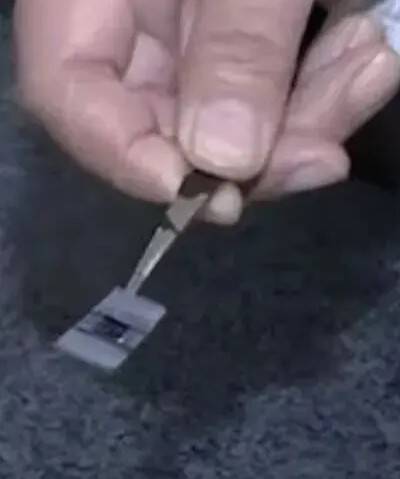
In a groundbreaking achievement, Miranda House, a prestigious college for women in Delhi, has collaborated with the Defence Research and Development Organisation (DRDO) to develop a Made-in-India biological chip. This innovative chip is designed to detect early cardiac risk markers, enabling timely medical intervention for soldiers operating in extreme, high-stress conditions. The development of this indigenous chip is a significant milestone in the field of medical technology and is expected to save countless lives.
The BioFET-based sensor, developed by the researchers at Miranda House, analyses blood serum to identify warning signs linked to heart attacks. This cutting-edge technology has the potential to revolutionize the way cardiac health is monitored, particularly in high-risk professions such as the military. The chip is designed to provide early warnings of potential heart attacks, allowing for prompt medical intervention and reducing the risk of fatalities.
The development of this chip is a testament to the power of collaboration between academic institutions and research organizations. The partnership between Miranda House and DRDO has brought together the best minds in the field, resulting in a innovative solution that addresses a critical need. The researchers at Miranda House have worked tirelessly to develop a chip that is not only effective but also affordable and easy to use.
The prototype of the chip has been handed over to DRDO for further testing and field trials. The organization will conduct rigorous tests to validate the efficacy of the chip and ensure that it meets the required standards. Once the trials are complete, the chip is expected to be deployed in various military settings, where it will be used to monitor the cardiac health of soldiers.
The development of this chip is particularly significant in the context of the Indian military, where soldiers often operate in extreme conditions, such as high altitudes and harsh weather. The stress and physical demands of military life can take a toll on the heart, making soldiers more susceptible to cardiac problems. The early detection of cardiac risk markers can help prevent heart attacks and save lives.
The use of BioFET-based sensors is a key feature of this chip. BioFETs, or biologically sensitive field-effect transistors, are a type of sensor that can detect changes in biological molecules. In this case, the BioFET-based sensor is designed to detect specific biomarkers in blood serum that are associated with an increased risk of heart attacks. The sensor is highly sensitive and can detect even small changes in biomarker levels, making it an effective tool for early detection.
The development of this chip is also a significant achievement in the context of India’s “Make in India” initiative. The government has been actively promoting the development of indigenous technologies, and the creation of this chip is a testament to the country’s capabilities in this area. The use of local talent and resources has resulted in a world-class product that can compete with international standards.
The implications of this development are far-reaching. The chip has the potential to be used not only in military settings but also in civilian healthcare. The early detection of cardiac risk markers can help prevent heart attacks and save lives, making this technology a valuable tool in the fight against cardiovascular disease.
In conclusion, the development of the Made-in-India biological chip by Miranda House and DRDO is a significant achievement that has the potential to save countless lives. The use of BioFET-based sensors and the collaboration between academic institutions and research organizations have resulted in a innovative solution that addresses a critical need. As the chip undergoes further testing and field trials, it is expected to make a significant impact in the field of medical technology.
About the Author