Miranda House, DRDO develop Indian chip to flag early heart attack risk in soldiers
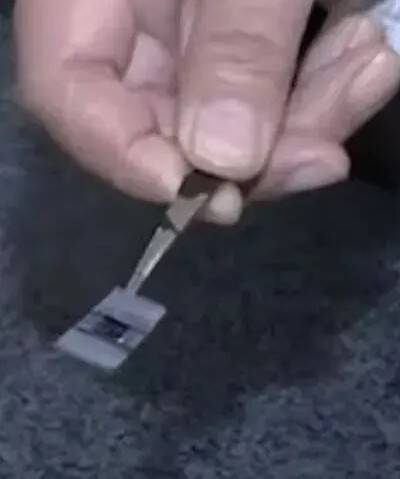
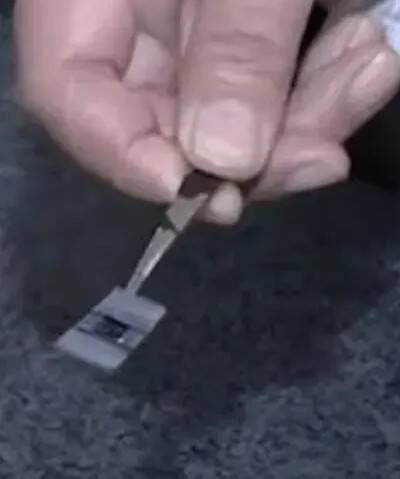
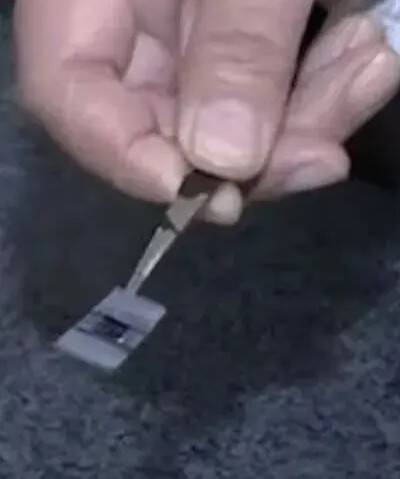
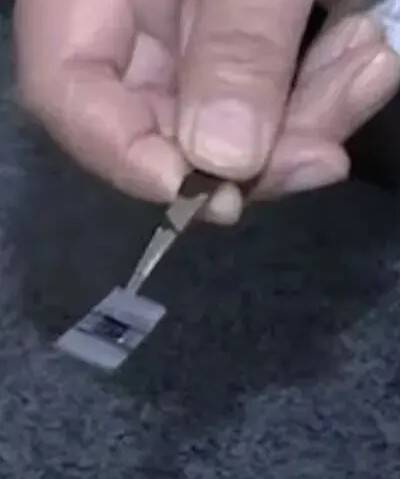
In a groundbreaking achievement, Miranda House, a premier women’s college in Delhi, has collaborated with the Defence Research and Development Organisation (DRDO) to develop a Made-in-India biological chip. This innovative chip is designed to detect early cardiac risk markers, enabling timely medical intervention for soldiers operating in extreme, high-stress conditions. The prototype of the BioFET-based sensor has been successfully handed over to DRDO for further testing and field trials.
The development of this indigenous chip is a significant milestone in the field of medical technology, particularly in the context of military healthcare. Soldiers often operate in challenging environments, where the risk of heart attacks and other cardiovascular diseases is higher due to extreme physical exertion, stress, and exposure to harsh conditions. Early detection of cardiac risk markers is crucial to prevent heart attacks and ensure the overall well-being of soldiers.
The BioFET-based sensor developed by Miranda House and DRDO is a biosensor that analyses blood serum to identify warning signs linked to heart attacks. The sensor uses a Field-Effect Transistor (FET) to detect changes in the blood serum, which can indicate the presence of cardiac risk markers. This technology has the potential to revolutionize the way cardiac health is monitored, particularly in high-risk professions like the military.
The collaboration between Miranda House and DRDO is a testament to the growing partnership between academia and research institutions in India. The project was led by a team of researchers from Miranda House, who worked closely with scientists from DRDO to develop the prototype. The team’s efforts have resulted in a cutting-edge technology that can be used to save lives and improve healthcare outcomes for soldiers.
The development of the indigenous chip is also a significant step towards reducing India’s dependence on foreign technology. The use of imported medical devices and technology can be costly and may not always be tailored to the specific needs of the Indian population. The Made-in-India biological chip, on the other hand, is designed to meet the unique requirements of the Indian military and can be produced at a lower cost, making it more accessible and affordable.
The prototype of the BioFET-based sensor has been handed over to DRDO for further testing and field trials. The next stage of development will involve testing the sensor in real-world conditions, where it will be used to monitor the cardiac health of soldiers in various environments. The results of these trials will be crucial in refining the technology and ensuring its effectiveness in detecting early cardiac risk markers.
The potential applications of the BioFET-based sensor extend beyond the military context. The technology can be used in various healthcare settings, including hospitals, clinics, and remote health centers. The sensor’s ability to detect early cardiac risk markers can help prevent heart attacks and improve healthcare outcomes for patients with cardiovascular diseases.
In conclusion, the development of the Made-in-India biological chip by Miranda House and DRDO is a significant achievement in the field of medical technology. The BioFET-based sensor has the potential to revolutionize the way cardiac health is monitored, particularly in high-risk professions like the military. The collaboration between academia and research institutions is a testament to the growing partnership between these sectors in India. As the technology undergoes further testing and refinement, it is likely to have a profound impact on healthcare outcomes for soldiers and civilians alike.
About the Author