Miranda House, DRDO develop Indian chip to flag early heart attack risk in soldiers
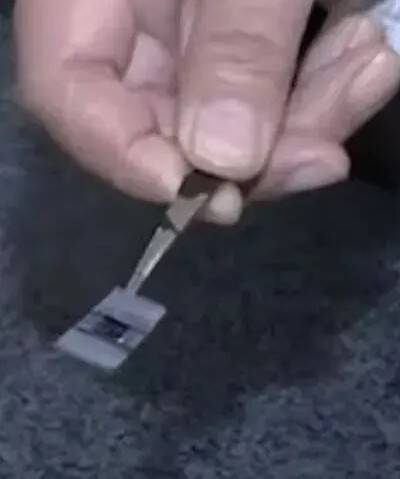
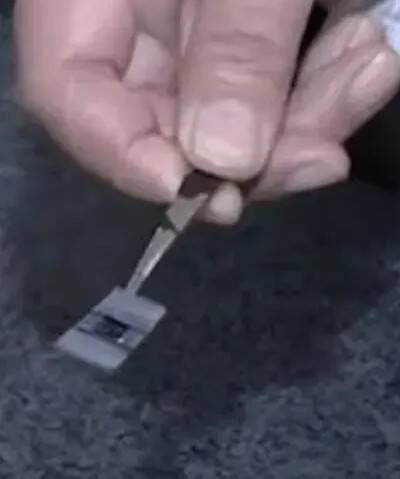
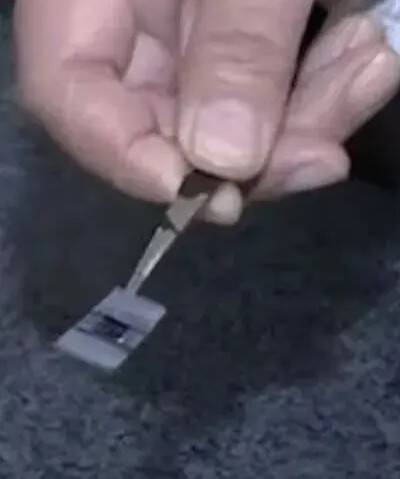
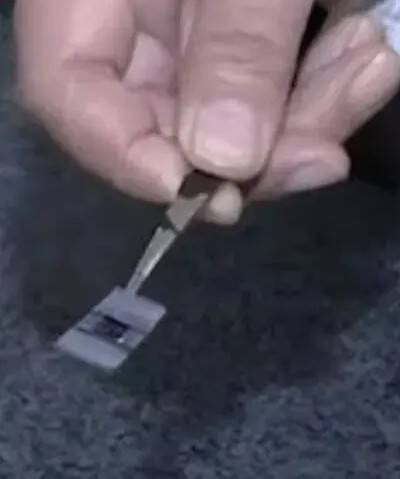
In a groundbreaking development, Miranda House, a prestigious college for women in Delhi, has collaborated with the Defence Research and Development Organisation (DRDO) to create a Made-in-India biological chip. This innovative chip is designed to detect early cardiac risk markers in soldiers, enabling timely medical intervention and potentially saving lives. The BioFET-based sensor analyses blood serum to identify warning signs linked to heart attacks, making it a crucial tool for soldiers operating in extreme, high-stress conditions.
The development of this indigenous chip is a significant milestone in India’s quest for self-reliance in the field of medical technology. The collaboration between Miranda House and DRDO demonstrates the potential for academia and research institutions to work together to address critical challenges facing the country. The project is a testament to the ingenuity and expertise of Indian scientists and researchers, who have successfully developed a cutting-edge technology that can benefit the nation’s defense personnel.
The BioFET-based sensor is a biosensor that uses a field-effect transistor (FET) to detect changes in the electrical properties of a solution. In this case, the sensor analyzes blood serum to identify biomarkers associated with an increased risk of heart attacks. The chip is designed to be compact, portable, and user-friendly, making it an ideal tool for use in remote or high-stress environments.
The development of the chip is particularly significant for soldiers, who often operate in extreme conditions that can increase their risk of heart attacks. The physical and mental stress of military operations, combined with the lack of access to medical facilities, can make it difficult for soldiers to receive timely medical attention. The BioFET-based sensor can help mitigate this risk by providing an early warning system for heart attacks, enabling soldiers to seek medical help before it’s too late.
The prototype of the chip has been handed over to DRDO for further testing and field trials. The organization will conduct rigorous testing to validate the efficacy and reliability of the chip, before it can be deployed for use by soldiers. The testing process will involve evaluating the chip’s performance in various environments and scenarios, to ensure that it can withstand the rigors of military operations.
The development of the indigenous chip is also expected to have broader implications for the country’s healthcare sector. The technology can be adapted for use in civilian healthcare settings, where it can help identify individuals at risk of heart attacks and enable timely medical intervention. The chip can also be used to monitor patients with pre-existing heart conditions, helping to prevent complications and improve treatment outcomes.
The collaboration between Miranda House and DRDO is a shining example of the potential for public-private partnerships to drive innovation and development in India. The project demonstrates the importance of investing in research and development, and the need for academia and industry to work together to address critical challenges facing the country.
In conclusion, the development of the Made-in-India biological chip is a significant achievement that can benefit the nation’s defense personnel and the broader healthcare sector. The collaboration between Miranda House and DRDO is a testament to the ingenuity and expertise of Indian scientists and researchers, and demonstrates the potential for public-private partnerships to drive innovation and development in India.
About the Author