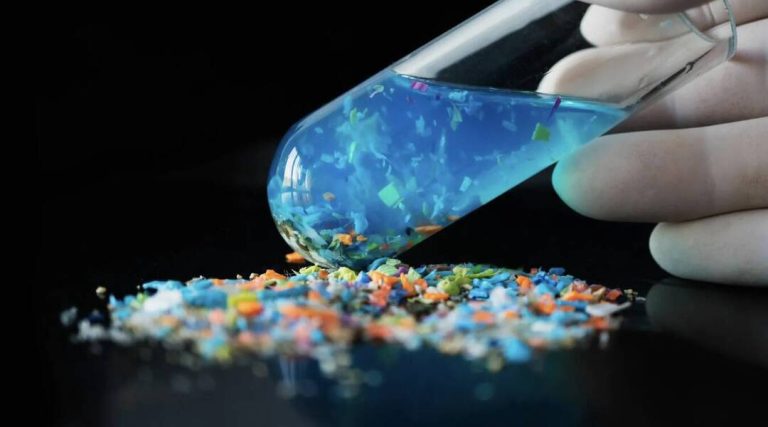
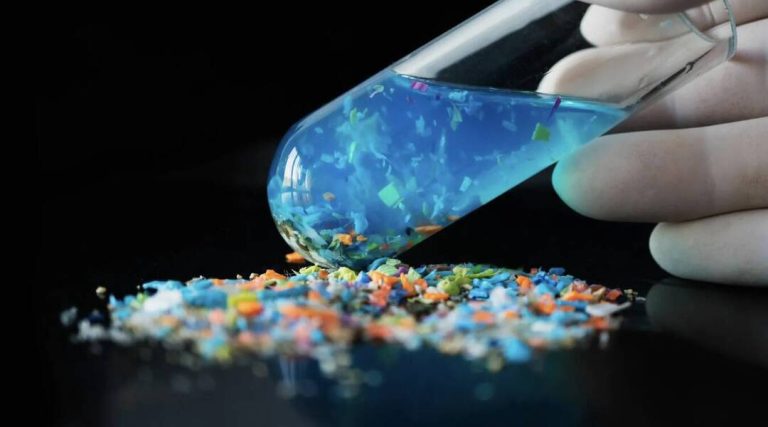
Microplastics leak invisible chemical clouds into water: Study
The world’s water bodies, from rivers and lakes to oceans, are facing a growing threat from microplastics. These tiny plastic particles, which are less than 5 millimeters in size, have been found to be ubiquitous in aquatic environments, contaminating the water and harming the organisms that live in it. A recent study has shed new light on the impact of microplastics on water quality, revealing that they release invisible clouds of chemicals into the water, driven by sunlight.
The study, which examined four common types of plastics, including polyethylene, polypropylene, polyvinyl chloride, and polystyrene, found that each type of plastic releases its own unique mixture of chemicals into the water. The researchers were surprised to discover that plastics labeled as biodegradable released the most chemicals, highlighting the need for a closer examination of the environmental impact of these materials.
The chemicals released by microplastics are known as dissolved organic matter (DOM), which is a complex mixture of carbon-based compounds that can have significant effects on the environment. The DOM released by microplastics is more biologically active than natural organic matter, meaning that it can have a greater impact on the aquatic ecosystem.
The study found that the DOM released by microplastics can stimulate the growth of certain microorganisms, which can lead to changes in the food web and potentially harm aquatic life. The researchers also discovered that the DOM can react with other chemicals in the water, leading to the formation of new compounds that can be toxic to certain organisms.
The release of chemicals from microplastics is driven by sunlight, which breaks down the plastic particles and releases the DOM into the water. This process is known as photodegradation, and it is an important mechanism by which microplastics can impact the environment.
The study’s findings have significant implications for our understanding of the impact of microplastics on the environment. Microplastics have been shown to be ubiquitous in aquatic environments, and they can come from a variety of sources, including plastic debris, microbeads in personal care products, and synthetic fibers from clothing.
The release of chemicals from microplastics can have far-reaching consequences for the environment and human health. The chemicals can accumulate in the food chain, potentially harming humans and wildlife that consume contaminated organisms. The chemicals can also react with other pollutants in the water, leading to the formation of new compounds that can be toxic to certain organisms.
To mitigate the impact of microplastics on the environment, it is essential to reduce the amount of plastic waste that enters the water. This can be achieved through a combination of measures, including reducing plastic use, improving waste management, and increasing recycling rates. Additionally, policymakers and industry leaders must work together to develop and implement effective solutions to address the problem of microplastics.
The study’s findings also highlight the need for further research on the impact of microplastics on the environment. While the study provides new insights into the release of chemicals from microplastics, there is still much to be learned about the effects of these chemicals on the environment and human health.
In conclusion, the study’s findings provide new evidence of the significant impact of microplastics on the environment. The release of invisible chemical clouds from microplastics is a previously unknown mechanism by which these particles can harm the environment. As we continue to learn more about the effects of microplastics, it is essential that we take action to reduce the amount of plastic waste that enters the water and mitigate the harm caused by these particles.
The study’s results are a wake-up call for policymakers, industry leaders, and individuals to take action to address the problem of microplastics. By working together, we can reduce the amount of plastic waste that enters the water and protect the environment and human health from the harmful effects of microplastics.
News Source: https://www.sciencedaily.com/releases/2025/12/251224032408.htm
About the Author