Microplastics leak invisible chemical clouds into water: Study
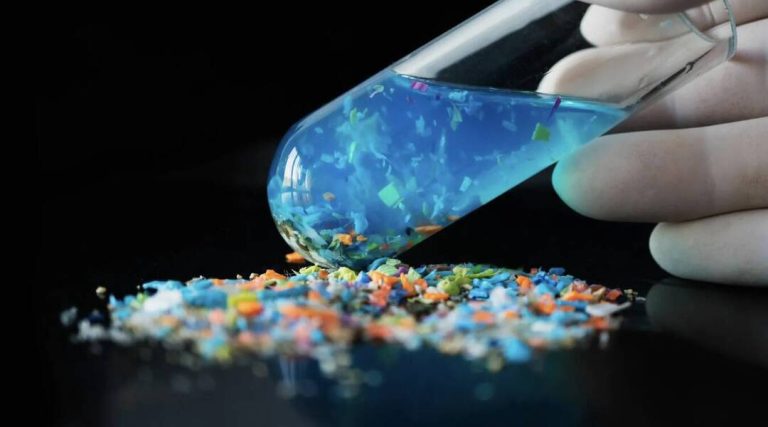
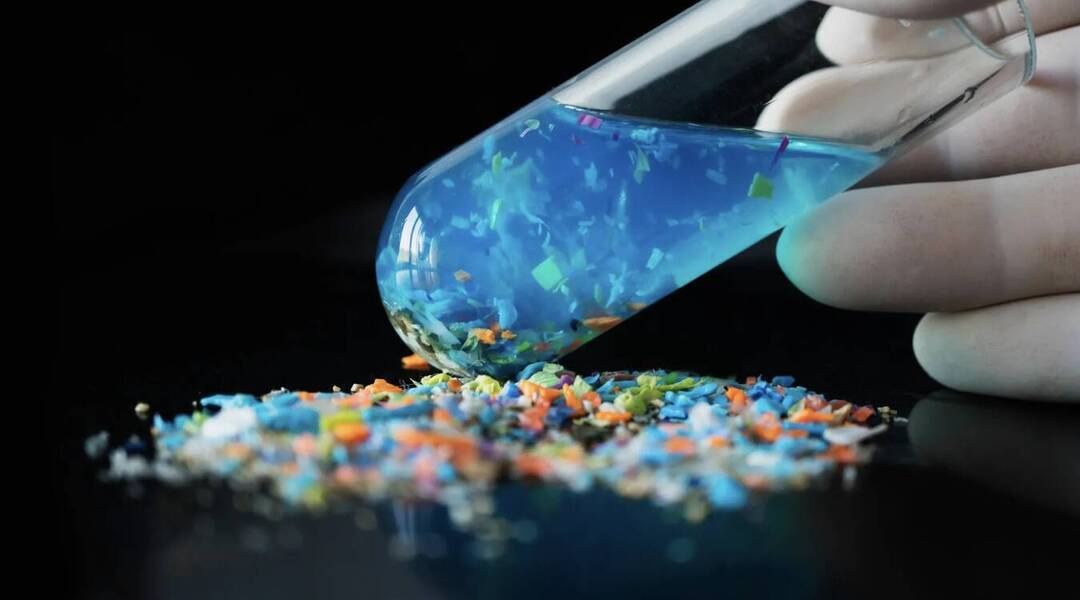
The world’s water bodies, including rivers, lakes, and oceans, are facing a growing threat from microplastics. These tiny plastic particles, which are less than 5 millimeters in size, have been found to be ubiquitous in the environment, and their impact on the ecosystem is still being studied. Recently, a groundbreaking study has shed new light on the effects of microplastics in water, revealing that they release invisible clouds of chemicals into the water, driven by sunlight. The study’s findings have significant implications for the health of our planet and highlight the need for urgent action to mitigate the effects of microplastics.
The study, which examined four common types of plastics, including polyethylene, polypropylene, polystyrene, and polyvinyl chloride, found that each type of plastic releases its own unique mixture of chemicals into the water. The researchers were surprised to discover that plastics labeled as biodegradable released the most chemicals, which challenges the common assumption that biodegradable plastics are a more environmentally friendly alternative to traditional plastics.
The chemicals released by microplastics are known as dissolved organic matter (DOM), which is a complex mixture of carbon-based compounds. The study found that the DOM released by microplastics is more biologically active than natural organic matter, which is derived from plants and animals. This means that the chemicals released by microplastics have a greater potential to interact with and affect living organisms in the water.
The study’s findings are significant because they suggest that microplastics are not just inert particles that can be ingested by animals, but are actually active participants in the ecosystem, releasing chemicals that can have far-reaching consequences. The chemicals released by microplastics can affect the growth and development of aquatic organisms, alter the food chain, and even impact human health.
The researchers used a combination of laboratory experiments and field measurements to study the release of chemicals from microplastics. They exposed the plastics to sunlight and measured the chemicals that were released into the water. They also collected water samples from rivers, lakes, and oceans and analyzed the chemicals present in the water.
The study’s findings have important implications for the management of microplastics in the environment. Currently, there are no regulations or standards for the release of chemicals from microplastics, and the study’s findings suggest that this is a critical oversight. The researchers recommend that policymakers and regulators take a closer look at the impacts of microplastics on the environment and consider developing standards for the release of chemicals from these plastics.
The study also highlights the need for further research on the effects of microplastics on the environment. While the study’s findings are significant, they are just the beginning of a larger conversation about the impacts of microplastics. More research is needed to fully understand the effects of microplastics on aquatic ecosystems and to develop effective strategies for mitigating their impacts.
In addition to the environmental implications, the study’s findings also have significant implications for human health. Microplastics have been found in drinking water and food, and the chemicals released by these plastics can have negative impacts on human health. The study’s findings suggest that the release of chemicals from microplastics may be a more significant threat to human health than previously thought.
In conclusion, the study’s findings are a wake-up call for policymakers, regulators, and the general public. Microplastics are not just a nuisance, but a significant threat to the health of our planet. The release of invisible chemical clouds from microplastics is a complex issue that requires a comprehensive and coordinated response. We need to take immediate action to reduce the amount of microplastics in the environment, develop standards for the release of chemicals from these plastics, and support further research on the effects of microplastics on the environment and human health.
The study’s findings are a reminder that the impacts of microplastics are far-reaching and multifaceted. We need to think creatively and develop innovative solutions to mitigate the effects of microplastics. This includes reducing our use of plastics, increasing recycling and waste management, and developing new technologies to clean up microplastics from the environment.
Ultimately, the study’s findings are a call to action. We need to work together to protect the health of our planet and ensure that our water bodies are safe and clean for future generations. By taking action to reduce the impacts of microplastics, we can help to preserve the beauty and wonder of our planet and ensure that our water bodies remain a source of life and inspiration for years to come.
News source: https://www.sciencedaily.com/releases/2025/12/251224032408.htm
About the Author