Microplastics leak invisible chemical clouds into water: Study
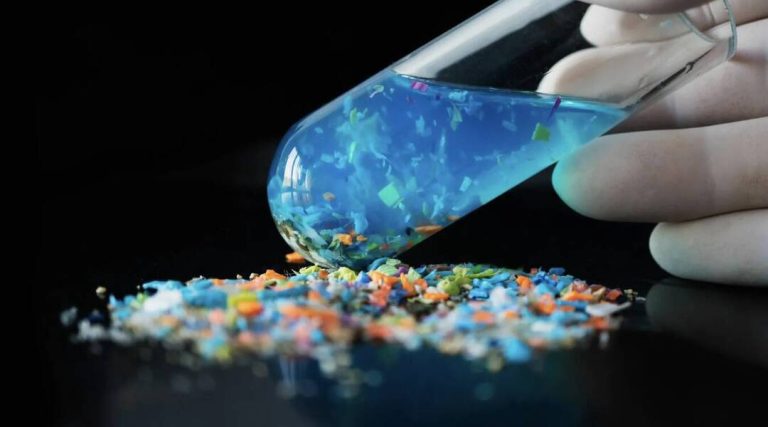
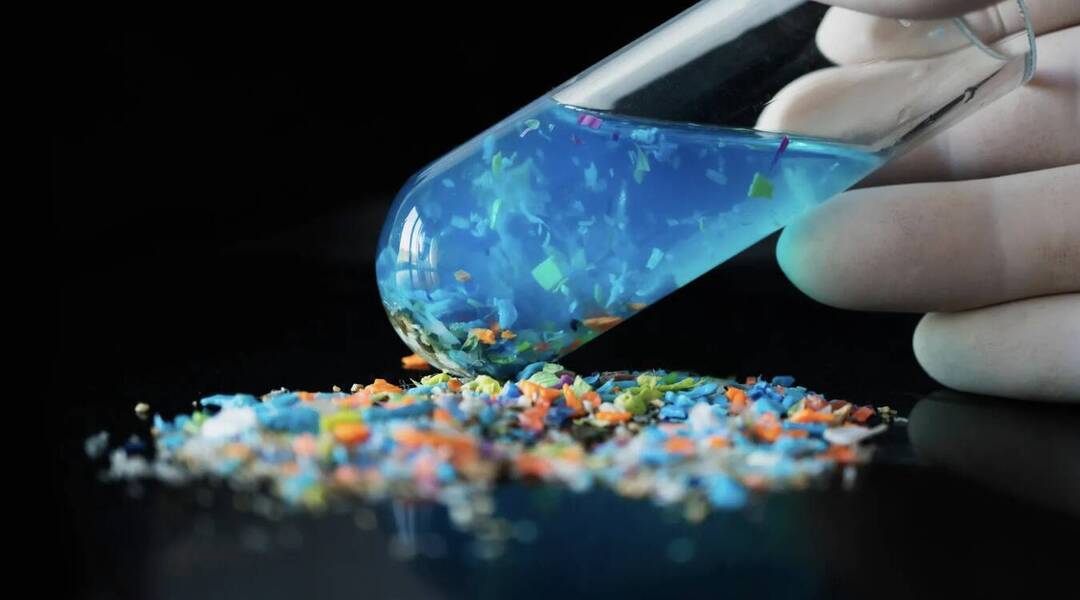
The world’s oceans, rivers, and lakes are facing a growing threat from microplastics, which are small plastic particles that are less than 5 millimeters in size. These tiny particles have been found to harm marine life, contaminate the food chain, and even affect human health. However, a recent study has revealed a new and alarming aspect of microplastics: they leak invisible chemical clouds into water, driven by sunlight. This study has significant implications for our understanding of the impact of microplastics on the environment and human health.
The study, which examined four common plastic types, found that each releases its own unique chemical mixture when exposed to sunlight. The plastics labeled as biodegradable were found to release the most chemicals, which is a surprising and concerning discovery. The researchers discovered that the dissolved organic matter (DOM) released by microplastics is more biologically active than natural organic matter, which means it can have a greater impact on the environment and living organisms.
The study’s findings are based on experiments that simulated the conditions found in natural water bodies. The researchers exposed the four types of microplastics to different levels of sunlight and measured the chemicals released into the water. They found that the chemicals released by microplastics include a range of compounds, such as plastic additives, pollutants, and other organic chemicals. These chemicals can have toxic effects on aquatic life and can also accumulate in the food chain, potentially harming humans who consume contaminated seafood.
One of the most significant aspects of the study is the discovery that biodegradable plastics release the most chemicals. This is surprising because biodegradable plastics are often marketed as a more environmentally friendly alternative to traditional plastics. However, the study’s findings suggest that these plastics may not be as benign as previously thought. In fact, the researchers found that biodegradable plastics released a higher amount of chemicals than traditional plastics, which could have significant implications for the environment and human health.
The study’s findings also have significant implications for our understanding of the impact of microplastics on the environment. Microplastics have been found in water bodies all over the world, from the deepest oceans to the smallest streams. They can come from a variety of sources, including plastic bags, bottles, and microbeads in personal care products. However, the study’s findings suggest that microplastics may be having a greater impact on the environment than previously thought. The chemicals released by microplastics can affect the growth and development of aquatic life, alter the composition of ecosystems, and even change the way that nutrients are cycled through the environment.
The study’s findings also have significant implications for human health. Microplastics have been found in tap water, seafood, and even table salt. The chemicals released by microplastics can accumulate in the food chain and potentially harm humans who consume contaminated food. The study’s findings suggest that the impact of microplastics on human health may be greater than previously thought, and that more research is needed to fully understand the risks associated with microplastic pollution.
In conclusion, the study’s findings are a significant wake-up call for the world. Microplastics are a growing threat to the environment and human health, and more needs to be done to address the problem. The study’s findings suggest that biodegradable plastics may not be as environmentally friendly as previously thought, and that more research is needed to fully understand the impact of microplastics on the environment and human health. As the world continues to grapple with the problem of microplastic pollution, it is essential that we take a comprehensive approach to addressing the issue, including reducing plastic use, increasing recycling, and protecting the environment from the harmful effects of microplastics.
The study’s findings are a reminder that the impact of human activities on the environment can be far-reaching and unpredictable. The discovery that microplastics leak invisible chemical clouds into water is a significant finding that highlights the need for more research and action to address the problem. As we move forward, it is essential that we prioritize the protection of the environment and human health, and take a proactive approach to addressing the growing threat of microplastic pollution.
News Source: https://www.sciencedaily.com/releases/2025/12/251224032408.htm
About the Author