Microplastics leak invisible chemical clouds into water: Study
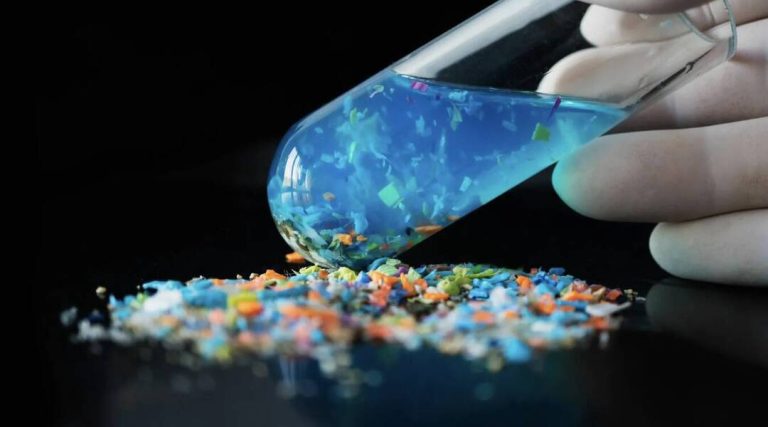
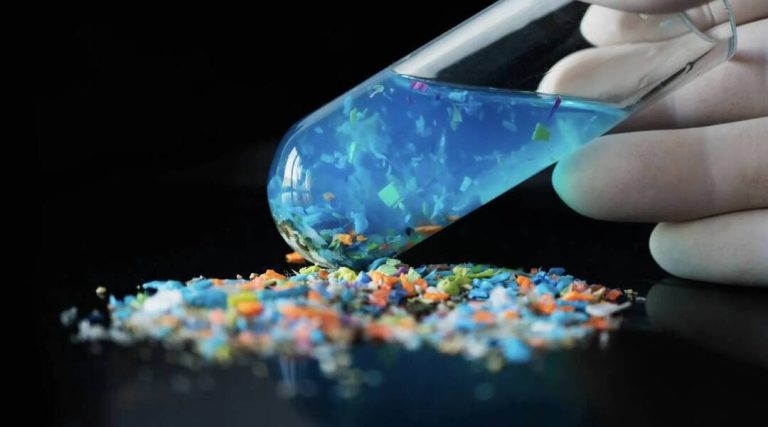
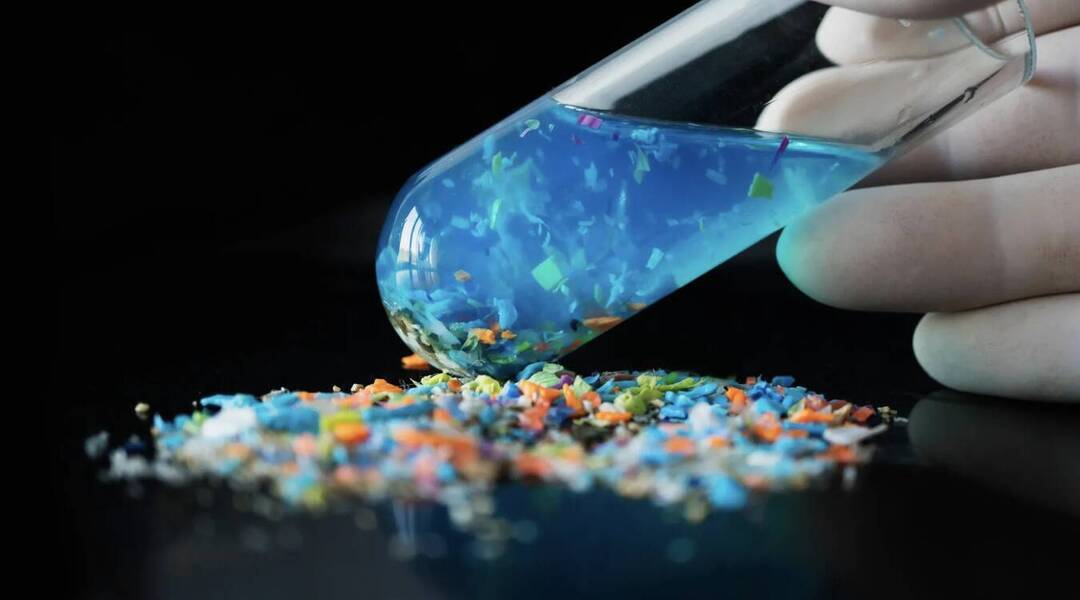
The world’s water bodies, from rivers and lakes to oceans, are facing a growing threat from microplastics. These tiny plastic particles, which are less than 5 millimeters in size, have been found to harm aquatic life and contaminate the food chain. However, a recent study has revealed a new and alarming aspect of microplastics in water: they leak invisible chemical clouds into the water, driven by sunlight. This discovery has significant implications for the health of our water bodies and the creatures that inhabit them.
The study, which examined four common types of plastic, found that each type releases its own unique chemical mixture into the water. The researchers were surprised to discover that plastics labeled as biodegradable released the most chemicals. This is a disturbing finding, as biodegradable plastics are often marketed as a more environmentally friendly alternative to traditional plastics. However, the study suggests that these plastics may not be as benign as they seem.
The chemicals released by microplastics are known as dissolved organic matter (DOM), which is made up of a complex mixture of carbon-based compounds. DOM is a natural component of water, but the DOM released by microplastics is different from the DOM found in natural environments. The study found that the DOM released by microplastics is more biologically active than natural organic matter, meaning that it can have a greater impact on the environment and the organisms that live in it.
The release of chemical clouds from microplastics is driven by sunlight, which causes the plastics to break down and release their chemical components into the water. This process is known as photodegradation, and it is a major concern for the health of our water bodies. As microplastics are exposed to sunlight, they can release a wide range of chemicals, including plastics additives, pollutants, and other toxic substances.
The study’s findings have significant implications for the management of microplastics in water. Currently, many efforts to reduce microplastic pollution focus on removing the plastic particles themselves from the water. However, the study suggests that this may not be enough to mitigate the harm caused by microplastics. The chemical clouds released by microplastics can persist in the water even after the plastic particles themselves have been removed, causing ongoing harm to aquatic life and the environment.
The study’s authors are calling for a more comprehensive approach to addressing microplastic pollution, one that takes into account the chemical clouds released by these plastics. This could involve developing new technologies to remove DOM from water, as well as implementing policies to reduce the amount of microplastics that enter the environment in the first place.
The impact of microplastic pollution on aquatic life is a major concern. Microplastics have been found in a wide range of aquatic organisms, from tiny zooplankton to large fish and marine mammals. When these organisms ingest microplastics, they can suffer from a range of health problems, including blockages, nutrient deficiencies, and exposure to toxic chemicals. The chemical clouds released by microplastics can exacerbate these problems, causing further harm to aquatic life and the ecosystems that they inhabit.
In addition to the harm caused to aquatic life, microplastic pollution also has implications for human health. Microplastics have been found in drinking water and food, and there is growing concern about the potential health impacts of ingesting these plastics. The chemical clouds released by microplastics can contaminate drinking water and food, posing a risk to human health.
The study’s findings are a wake-up call for governments, businesses, and individuals to take action to reduce microplastic pollution. This can involve implementing policies to reduce plastic use, increasing funding for research into microplastic pollution, and developing new technologies to remove microplastics and DOM from water. It can also involve making personal choices, such as reducing plastic use, recycling, and supporting organizations that work to protect the environment.
In conclusion, the study’s findings highlight the need for a comprehensive approach to addressing microplastic pollution. The release of invisible chemical clouds from microplastics is a major concern, and it requires a coordinated effort to mitigate the harm caused by these plastics. By working together, we can reduce microplastic pollution and protect the health of our water bodies and the creatures that inhabit them.
News Source: https://www.sciencedaily.com/releases/2025/12/251224032408.htm
About the Author