Microplastics leak invisible chemical clouds into water: Study
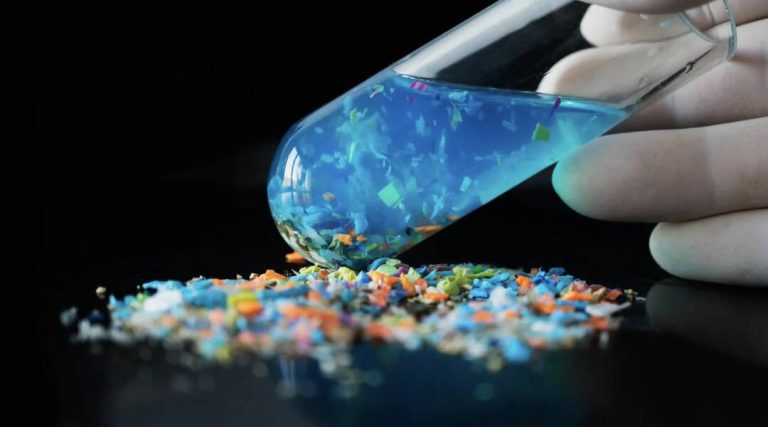
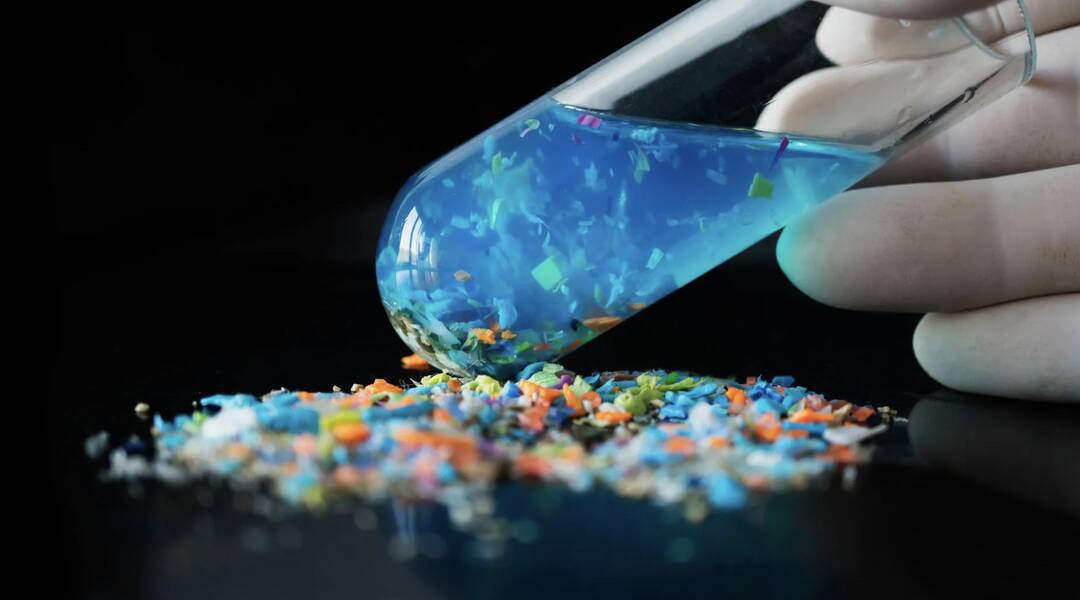
The world’s water bodies, including rivers, lakes, and oceans, are facing a growing threat from microplastics. These tiny plastic particles, which are less than 5 millimeters in size, have been found to be ubiquitous in aquatic environments, and their impact on the health of these ecosystems is still not fully understood. Recently, a study has shed new light on the dangers posed by microplastics, revealing that they release invisible clouds of chemicals into the water, driven by sunlight. This phenomenon has significant implications for the health of aquatic life and the overall quality of water.
The study, which examined four common types of plastics, including polyethylene, polypropylene, polyvinyl chloride, and polystyrene, found that each type releases its own unique mixture of chemicals into the water. These chemicals are dissolved organic matter (DOM), which is a complex mixture of carbon-based compounds that are dissolved in water. The researchers discovered that the DOM released by microplastics is more biologically active than natural organic matter, which is the organic matter that occurs naturally in the environment.
One of the most surprising findings of the study was that plastics labeled as biodegradable release the most chemicals into the water. This is a concerning discovery, as biodegradable plastics are often marketed as a more environmentally friendly alternative to traditional plastics. However, the study suggests that these plastics may not be as benign as previously thought. In fact, the researchers found that biodegradable plastics release a unique mixture of chemicals that are not found in traditional plastics.
The release of chemicals from microplastics is driven by sunlight, which causes the plastic particles to break down and release their DOM into the water. This process is known as photodegradation, and it is an important mechanism by which microplastics interact with their environment. The study found that the rate of photodegradation varies depending on the type of plastic and the intensity of the sunlight. For example, polyethylene and polypropylene, which are two of the most common types of plastics, were found to release their DOM more quickly than polyvinyl chloride and polystyrene.
The implications of this study are significant, as they suggest that microplastics are not just inert particles that float in the water, but rather they are active participants in the aquatic ecosystem. The chemicals released by microplastics can have a range of effects on aquatic life, from altering the chemical composition of the water to changing the behavior and physiology of aquatic organisms. For example, some of the chemicals released by microplastics have been shown to be toxic to certain types of algae, which are a crucial component of the aquatic food chain.
The study also highlights the need for further research into the impact of microplastics on aquatic ecosystems. While the findings of this study are significant, they are just the beginning of a larger conversation about the role of microplastics in the environment. More research is needed to fully understand the effects of microplastics on aquatic life and to develop effective strategies for mitigating their impact.
In addition to the environmental implications, the study also has significant implications for human health. Microplastics have been found in drinking water and food, and there is growing concern about the potential health effects of ingesting these particles. The chemicals released by microplastics could potentially be ingested by humans, either through drinking water or eating seafood that has been contaminated with microplastics. While the health effects of microplastics are still not fully understood, the study suggests that they could be a significant concern for human health.
In conclusion, the study provides new insight into the dangers posed by microplastics in aquatic environments. The release of invisible clouds of chemicals from microplastics, driven by sunlight, is a significant concern for the health of aquatic life and the overall quality of water. The findings of this study highlight the need for further research into the impact of microplastics on aquatic ecosystems and the development of effective strategies for mitigating their impact. As the world continues to grapple with the problem of microplastics, studies like this one provide important information for policymakers, researchers, and the general public.
News source: https://www.sciencedaily.com/releases/2025/12/251224032408.htm
About the Author