Microplastics leak invisible chemical clouds into water: Study
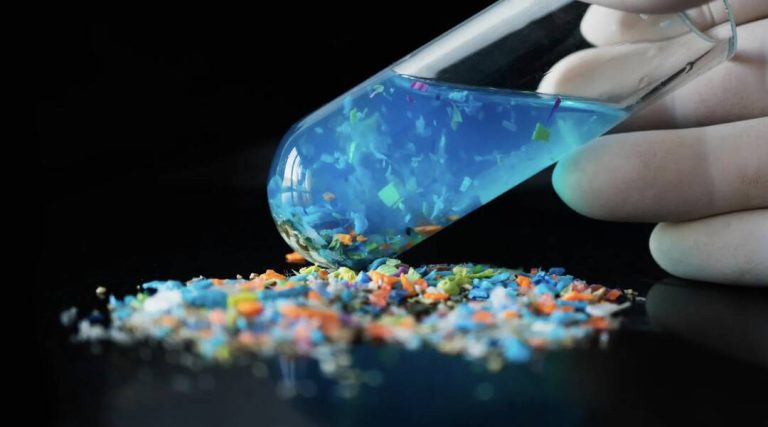
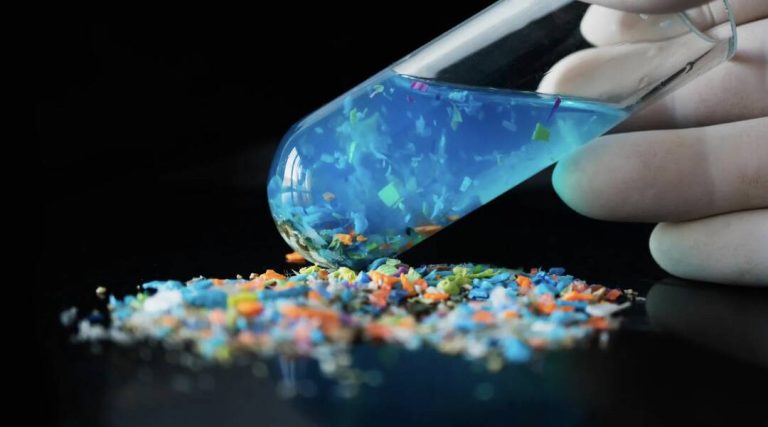
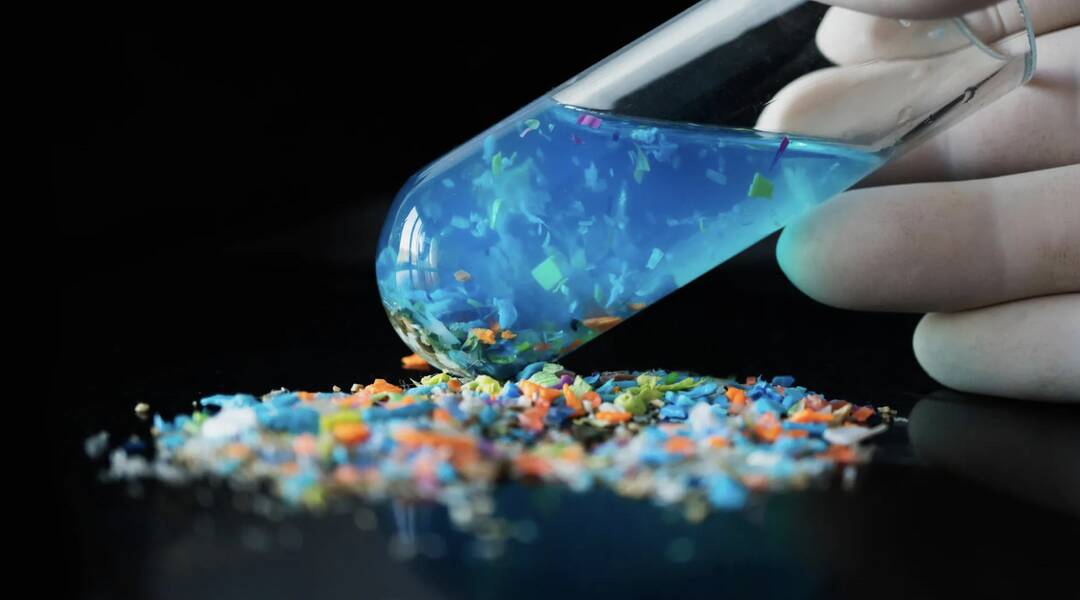
The presence of microplastics in our environment has been a growing concern in recent years. These tiny plastic particles, which are less than 5 millimeters in size, can be found in almost every corner of the globe, from the deepest oceans to the highest mountains. They have been shown to have a significant impact on the health of our planet, including contaminating the food chain and harming marine life. However, a recent study has revealed a new and alarming aspect of microplastics: their ability to release invisible clouds of chemicals into water, driven by sunlight.
The study, which examined four common plastic types, found that each releases its own unique chemical mixture when exposed to sunlight. This means that the microplastics in our rivers, lakes, and oceans are not just physical pollutants, but also sources of chemical pollution. The researchers discovered that the chemicals released by microplastics are not just limited to the plastic itself, but also include a range of other substances that are absorbed by the plastic from the surrounding environment.
One of the most surprising findings of the study was that plastics labelled as biodegradable released the most chemicals. This is significant, as biodegradable plastics are often marketed as a more environmentally friendly alternative to traditional plastics. However, the study suggests that these plastics may not be as harmless as previously thought. In fact, the researchers found that the dissolved organic matter (DOM) released by biodegradable plastics is more biologically active than natural organic matter.
The implications of this study are far-reaching and alarming. The release of invisible chemical clouds into our waterways has the potential to harm aquatic life and contaminate the food chain. The fact that biodegradable plastics are releasing the most chemicals is particularly concerning, as these plastics are often used in products that are designed to be more environmentally friendly.
The study also highlights the importance of considering the impact of microplastics on the environment. Microplastics have been shown to have a range of negative effects on the environment, from harming marine life to contaminating the food chain. However, the release of chemical clouds from microplastics is a new and previously unknown aspect of their impact.
The researchers behind the study used a combination of laboratory experiments and field measurements to examine the release of chemicals from microplastics. They found that the chemicals released by microplastics are driven by sunlight, and that the amount of chemicals released varies depending on the type of plastic and the intensity of the sunlight.
The study’s findings have significant implications for our understanding of the impact of microplastics on the environment. They suggest that microplastics are not just physical pollutants, but also sources of chemical pollution. This means that efforts to reduce the amount of microplastics in the environment must also consider the potential for chemical pollution.
In addition to the environmental implications, the study’s findings also have significant implications for human health. The release of chemical clouds from microplastics has the potential to contaminate drinking water and harm human health. This is particularly concerning, as microplastics have been found in drinking water sources around the world.
The study’s authors are calling for further research into the impact of microplastics on the environment and human health. They suggest that a comprehensive approach is needed to address the problem of microplastics, including reducing the amount of plastic waste, improving waste management, and developing more environmentally friendly plastics.
In conclusion, the study’s findings are a wake-up call for all of us. The release of invisible chemical clouds from microplastics is a previously unknown aspect of their impact on the environment, and it highlights the need for urgent action to address the problem of microplastics. We must take steps to reduce the amount of plastic waste, improve waste management, and develop more environmentally friendly plastics. Only by working together can we hope to mitigate the harm caused by microplastics and protect the health of our planet.
News source: https://www.sciencedaily.com/releases/2025/12/251224032408.htm
About the Author