Microplastics leak invisible chemical clouds into water: Study
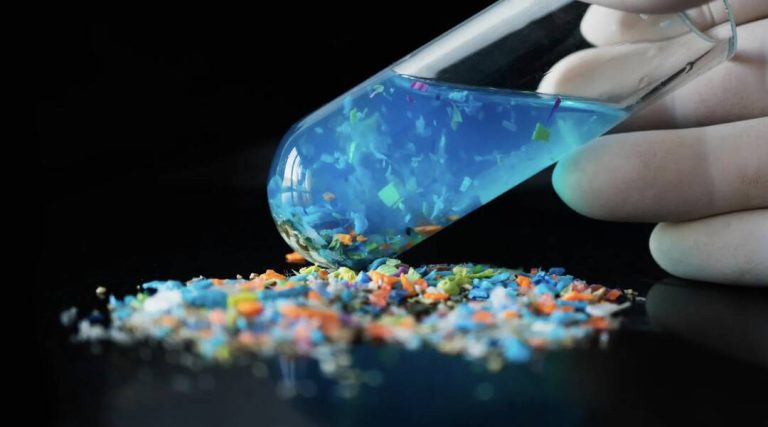
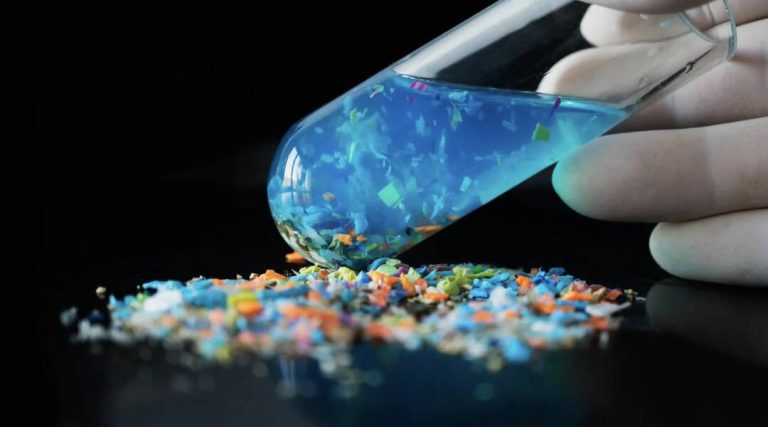
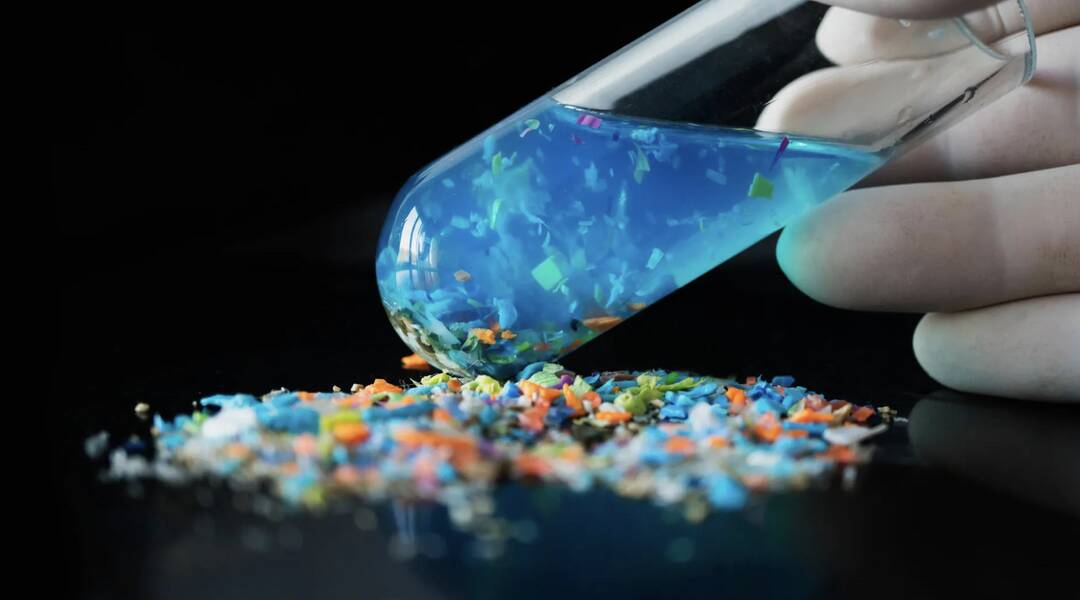
The world’s water bodies, including rivers, lakes, and oceans, are facing a growing threat from microplastics. These tiny plastic particles, which are less than 5 millimeters in size, have been found to be ubiquitous in aquatic environments, and their impact on the ecosystem is still not fully understood. However, a recent study has shed new light on the dangers of microplastics, revealing that they release invisible clouds of chemicals into the water, driven by sunlight. This phenomenon has significant implications for the health of our planet’s water bodies and the creatures that inhabit them.
The study, which examined four common types of plastics, including polyethylene, polypropylene, polyvinyl chloride, and polystyrene, found that each type of plastic releases its own unique chemical mixture when exposed to sunlight. The researchers were surprised to discover that plastics labeled as biodegradable released the most chemicals, highlighting the need for a reevaluation of the term “biodegradable” and its implications for environmental sustainability.
The chemicals released by microplastics are known as dissolved organic matter (DOM), which is a complex mixture of carbon-based compounds. While DOM is naturally present in water bodies, the DOM released by microplastics is more biologically active than natural organic matter. This means that it can have a greater impact on the ecosystem, influencing the growth and behavior of microorganisms, plants, and animals.
The study’s findings are alarming, as they suggest that microplastics are not just inert particles, but rather active contributors to the chemical composition of water bodies. The release of invisible chemical clouds by microplastics can have far-reaching consequences, including changes to the food chain, the disruption of nutrient cycles, and the alteration of ecosystem processes.
One of the most significant concerns is the potential impact on human health. Microplastics have been found in drinking water sources, and the chemicals they release can be ingested by humans, potentially leading to a range of health problems. While the exact effects of microplastic-derived chemicals on human health are still unknown, the study’s findings highlight the need for further research into this area.
The study’s authors also emphasize the importance of reducing microplastic pollution in water bodies. This can be achieved through a combination of measures, including the implementation of extended producer responsibility, the promotion of sustainable packaging, and the development of effective waste management systems. Additionally, individuals can make a difference by reducing their use of single-use plastics, recycling, and participating in beach cleanups and other community-based initiatives.
The release of invisible chemical clouds by microplastics is a complex issue, and addressing it will require a multifaceted approach. However, by raising awareness about the problem and promoting action, we can work towards mitigating the impacts of microplastic pollution and protecting the health of our planet’s water bodies.
In conclusion, the study’s findings are a wake-up call for the need to take urgent action to address microplastic pollution. The release of invisible chemical clouds by microplastics is a ticking time bomb, and it is essential that we take steps to reduce the amount of microplastics in our water bodies. By working together, we can create a safer, healthier environment for all living organisms and ensure the long-term sustainability of our planet.
The study’s results have significant implications for policymakers, industry leaders, and individuals, highlighting the need for a concerted effort to address microplastic pollution. As we move forward, it is essential that we prioritize research and development, policy changes, and community engagement to mitigate the impacts of microplastics and create a more sustainable future.
As the world grapples with the challenges of microplastic pollution, it is essential that we stay informed and up-to-date on the latest research and developments. By doing so, we can work towards creating a better future for ourselves and for generations to come.
News Source: https://www.sciencedaily.com/releases/2025/12/251224032408.htm
About the Author