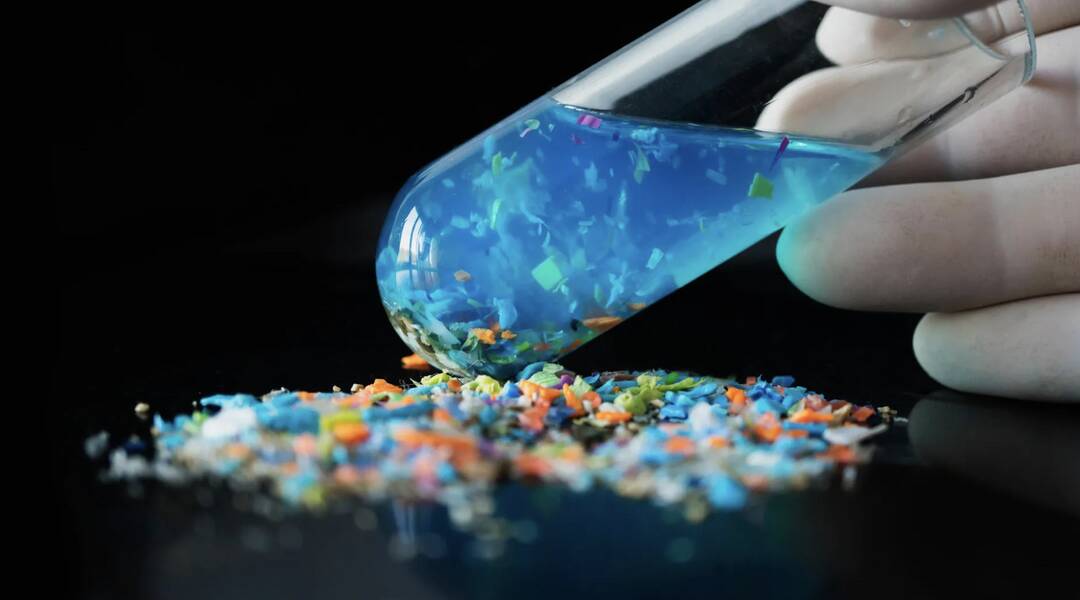
Microplastics leak invisible chemical clouds into water: Study
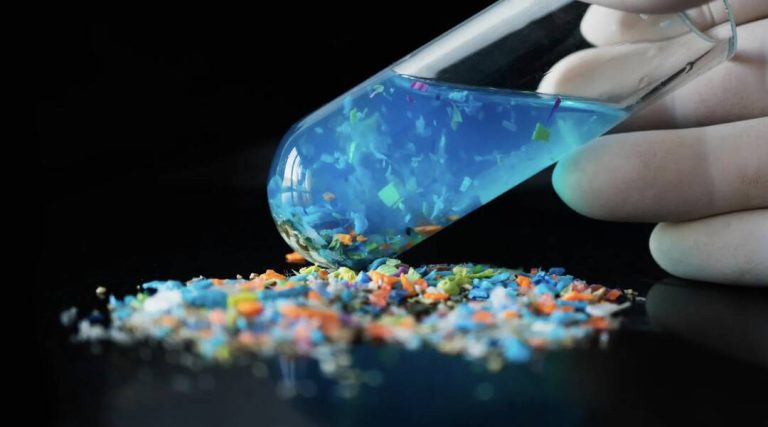
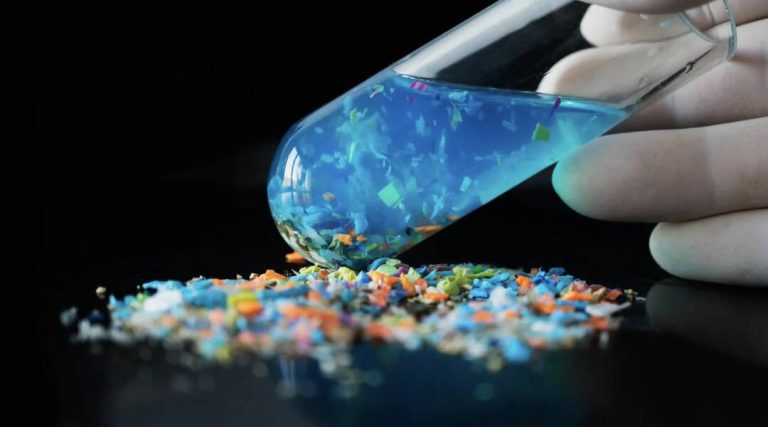
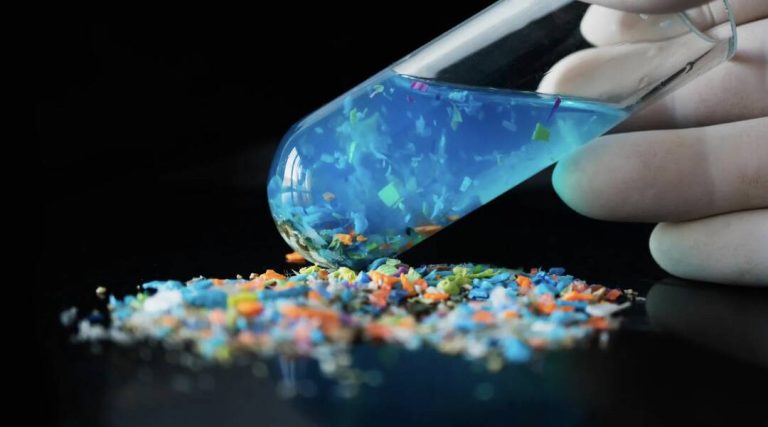
The world has long been aware of the devastating impact of microplastics on our environment, particularly in our oceans, rivers, and lakes. These tiny plastic particles, which are less than 5 millimeters in size, have been found to harm marine life, contaminate the food chain, and even affect human health. However, a recent study has shed new light on the dangers of microplastics, revealing that they release invisible clouds of chemicals into the water, driven by sunlight. This groundbreaking research has significant implications for our understanding of the role of microplastics in polluting our waterways.
The study, which examined four common plastic types, found that each releases its own unique chemical mixture into the water. The plastics labeled as biodegradable were found to release the most chemicals, which is a surprising and alarming discovery. The researchers discovered that when microplastics are exposed to sunlight, they break down and release a complex mixture of chemicals, including dissolved organic matter (DOM). This DOM is more biologically active than natural organic matter, which means it has a greater potential to affect the ecosystem.
The four plastic types examined in the study were polyethylene, polypropylene, polyvinyl chloride (PVC), and polylactic acid (PLA), which is often labeled as biodegradable. The researchers found that each of these plastics released a distinct combination of chemicals, including additives, plasticizers, and other pollutants. These chemicals can have a range of effects on the environment, from altering the pH of the water to disrupting the food chain.
The study’s findings are particularly concerning because they suggest that microplastics are not just passive pollutants, but are actually actively releasing chemicals into the water. This means that even if microplastics are removed from the water, the chemicals they release can still have a lasting impact on the ecosystem. The researchers noted that the chemicals released by microplastics can also accumulate in the tissue of aquatic organisms, potentially harming them and contaminating the food chain.
One of the most significant implications of this study is that it challenges the notion that biodegradable plastics are a safer alternative to traditional plastics. While biodegradable plastics may break down more quickly than traditional plastics, they still release a significant amount of chemicals into the water. In fact, the study found that biodegradable plastics released the most chemicals of all the plastics examined. This suggests that biodegradable plastics may not be the solution to the microplastic problem that many had hoped.
The study’s findings also highlight the need for further research into the impact of microplastics on the environment. While we know that microplastics are harmful, we still have much to learn about the specific effects they have on ecosystems and human health. The researchers noted that more studies are needed to fully understand the effects of microplastic-derived chemicals on aquatic life and human health.
In addition to the need for further research, the study’s findings also emphasize the importance of reducing our use of plastics. Microplastics are formed when larger plastic items break down, so reducing our use of plastics can help to minimize the amount of microplastics that enter the environment. This can be achieved through a range of measures, from increasing recycling rates to reducing our use of single-use plastics.
In conclusion, the study’s findings are a wake-up call for all of us. Microplastics are not just a problem for the environment, but also for human health. The release of invisible chemical clouds into our waterways is a serious concern that requires immediate attention. We must take action to reduce our use of plastics, increase recycling rates, and support further research into the impact of microplastics on the environment. Only by working together can we hope to mitigate the effects of microplastics and protect our planet for future generations.
News source: https://www.sciencedaily.com/releases/2025/12/251224032408.htm
About the Author