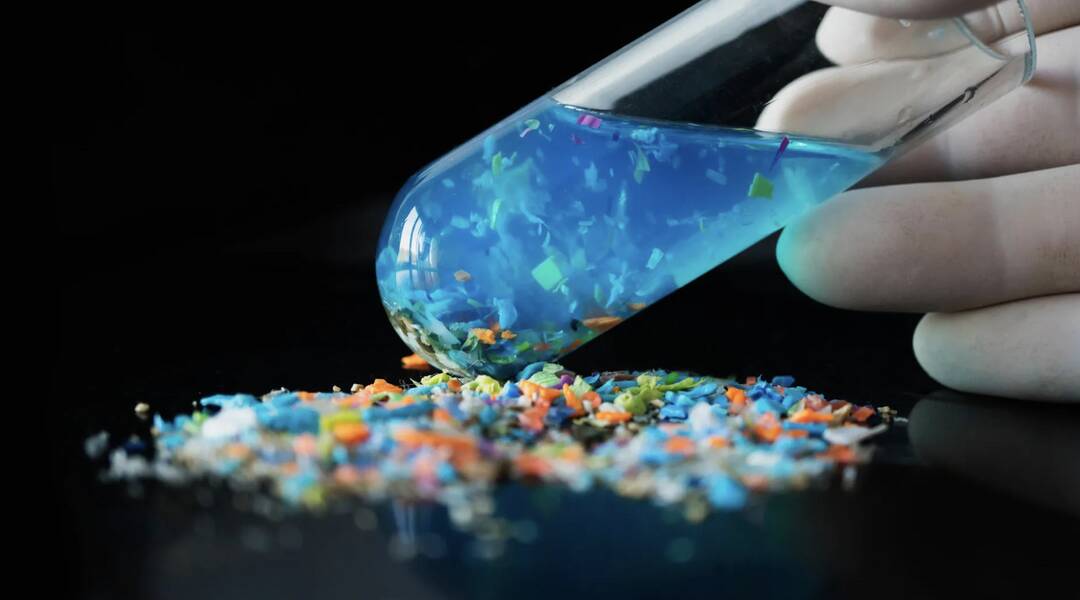
Microplastics leak invisible chemical clouds into water: Study
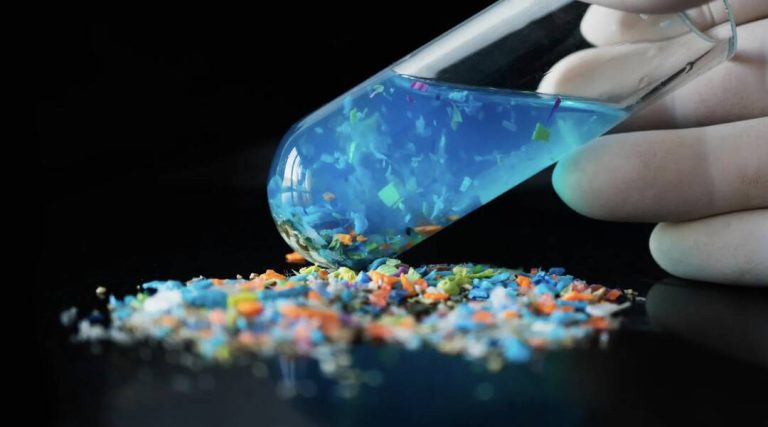
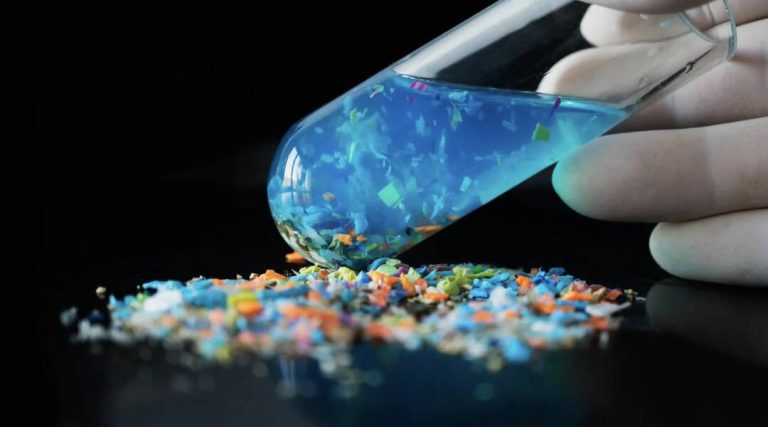
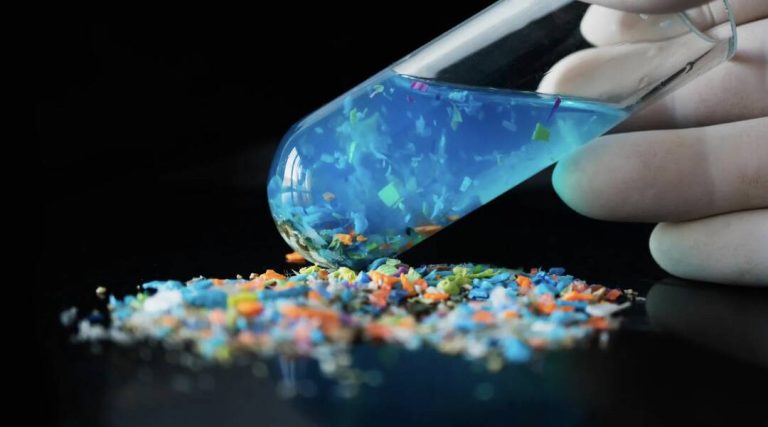
The world’s water bodies, from rivers and lakes to oceans, are facing a growing threat from microplastics. These tiny plastic particles, which are less than 5 millimeters in size, have been found to be ubiquitous in aquatic environments, with devastating consequences for the health of our planet. A recent study has shed new light on the impact of microplastics on water quality, revealing that they leak invisible clouds of chemicals into the water, driven by sunlight. This groundbreaking research has significant implications for our understanding of the effects of microplastics on aquatic ecosystems and human health.
The study, which examined four common plastic types, found that each releases its own unique chemical mixture into the water. The researchers discovered that plastics labelled as biodegradable release the most chemicals, highlighting the need for a rethink on the use of these materials. The study’s findings suggest that the dissolved organic matter (DOM) released by microplastics is more biologically active than natural organic matter, with potentially harmful consequences for aquatic life.
The impact of microplastics on the environment has been a topic of growing concern in recent years. Microplastics have been found in everything from drinking water and food to table salt and beer. They have also been shown to harm aquatic life, from tiny plankton to large marine animals, by blocking their digestive tracts, altering their feeding habits, and even changing their behavior. However, the new study reveals that the effects of microplastics go far beyond physical harm, with the release of invisible chemical clouds into the water posing a significant threat to aquatic ecosystems.
The study’s authors used a combination of laboratory experiments and field measurements to investigate the release of chemicals from microplastics. They found that the chemicals released by microplastics are driven by sunlight, with the amount of chemicals released increasing as the intensity of the sunlight increases. This suggests that microplastics in sunlit waters, such as those found in tropical and subtropical regions, may be releasing large amounts of chemicals into the water.
The researchers also found that the chemicals released by microplastics are highly variable, depending on the type of plastic and the conditions under which it is exposed to sunlight. For example, they found that polyethylene, a common plastic used in packaging and other applications, releases a unique mixture of chemicals that are not found in natural organic matter. Similarly, they found that polypropylene, another common plastic, releases a different mixture of chemicals that are highly biologically active.
The study’s findings have significant implications for our understanding of the effects of microplastics on aquatic ecosystems. The release of invisible chemical clouds into the water poses a significant threat to aquatic life, from tiny plankton to large marine animals. The chemicals released by microplastics can alter the feeding habits and behavior of aquatic animals, and even change the composition of aquatic ecosystems. For example, the chemicals released by microplastics can stimulate the growth of harmful algal blooms, which can have devastating consequences for aquatic life.
The study’s findings also highlight the need for a rethink on the use of biodegradable plastics. While these plastics are often marketed as a more environmentally friendly alternative to traditional plastics, the study’s findings suggest that they may be releasing large amounts of chemicals into the water. This raises questions about the effectiveness of biodegradable plastics in reducing the impact of microplastics on the environment.
To mitigate the effects of microplastics on aquatic ecosystems, it is essential to reduce the amount of plastic waste that enters the environment. This can be achieved through a combination of measures, including reducing plastic use, increasing recycling rates, and improving waste management practices. Additionally, policymakers and industry leaders must work together to develop and implement effective solutions to the problem of microplastics, such as biodegradable plastics that are designed to break down quickly and safely in the environment.
In conclusion, the study’s findings highlight the need for urgent action to address the problem of microplastics in aquatic environments. The release of invisible chemical clouds into the water poses a significant threat to aquatic life and human health, and it is essential that we take steps to reduce the amount of plastic waste that enters the environment. By working together, we can develop effective solutions to the problem of microplastics and protect the health of our planet.
News source: https://www.sciencedaily.com/releases/2025/12/251224032408.htm
About the Author