Microplastics leak invisible chemical clouds into water: Study
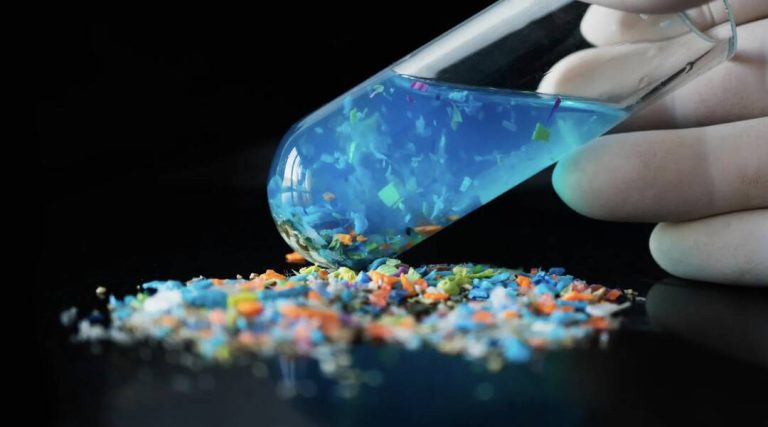
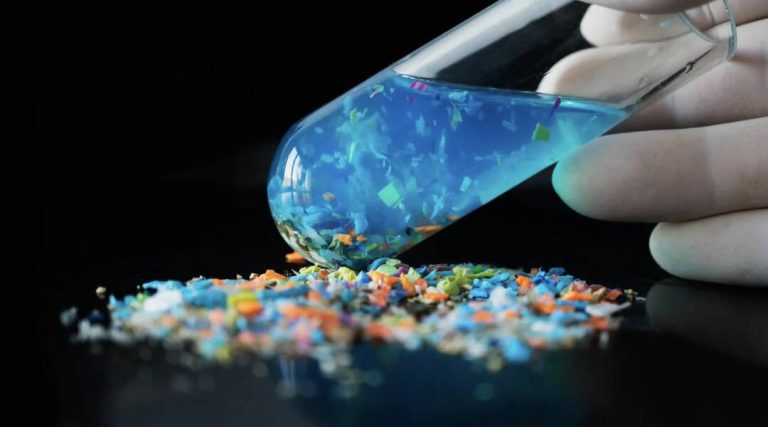
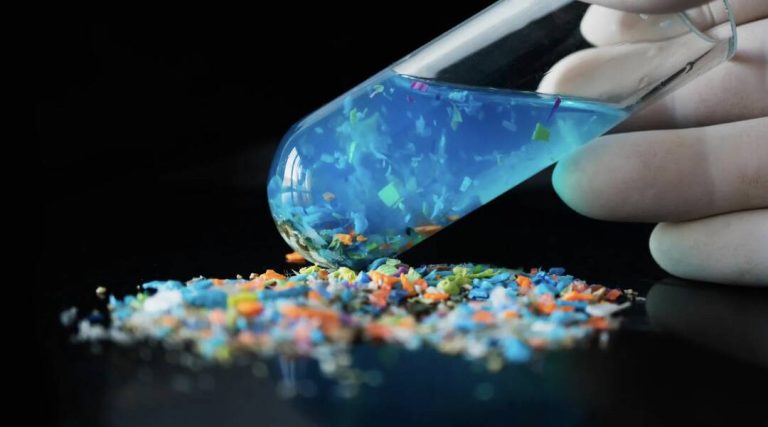
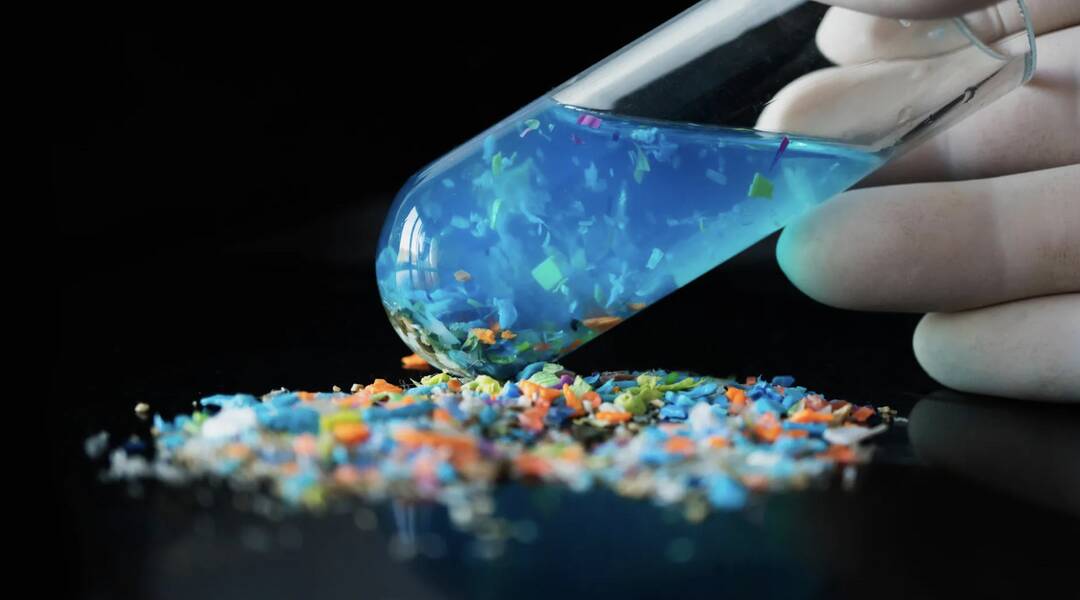
The world’s water bodies, including rivers, lakes, and oceans, have been facing a significant threat from microplastics. These tiny plastic particles, which are less than 5 millimeters in size, have been found to harm aquatic life and contaminate the water we drink. A recent study has revealed a new and alarming aspect of microplastics in water bodies. According to the study, microplastics release invisible clouds of chemicals into the water, driven by sunlight. This phenomenon has significant implications for the health of our water bodies and the creatures that inhabit them.
The study, which examined four common plastic types, found that each releases its own unique chemical mixture when exposed to sunlight. The researchers discovered that plastics labelled as biodegradable release the most chemicals, which is a surprising and concerning finding. Biodegradable plastics are often considered a more environmentally friendly alternative to traditional plastics, but this study suggests that they may not be as harmless as previously thought.
The chemicals released by microplastics are known as dissolved organic matter (DOM). DOM is a complex mixture of organic compounds that can be found in water bodies. While natural organic matter, such as that from plants and animals, is also present in water, the DOM released by microplastics is more biologically active. This means that it can have a greater impact on the aquatic ecosystem and the creatures that live in it.
The study’s findings have significant implications for our understanding of the impact of microplastics on water bodies. Microplastics have been found in water bodies all over the world, from the deepest oceans to the smallest streams. They can enter the water through a variety of means, including sewage, runoff from land, and litter. Once in the water, microplastics can be ingested by animals, from small plankton to large fish. This can lead to a range of problems, including physical harm, toxicity, and the transfer of chemicals up the food chain.
The release of invisible chemical clouds by microplastics is a new and worrying aspect of this problem. These chemicals can affect the growth and development of aquatic plants and animals, and can even alter the chemical composition of the water itself. The study’s findings suggest that microplastics can have a profound impact on the aquatic ecosystem, even if they are not ingested by animals.
The researchers behind the study used a combination of laboratory experiments and field measurements to examine the release of chemicals by microplastics. They found that the amount and type of chemicals released varied depending on the type of plastic and the amount of sunlight it was exposed to. This suggests that the impact of microplastics on water bodies can vary depending on the location and the time of year.
The study’s findings have significant implications for policymakers and regulators. The use of biodegradable plastics is often encouraged as a way to reduce the amount of plastic waste in the environment. However, this study suggests that biodegradable plastics may not be as harmless as previously thought. The researchers behind the study are calling for further research into the impact of microplastics on water bodies and the creatures that inhabit them.
In conclusion, the study’s findings are a significant concern for the health of our water bodies and the creatures that live in them. The release of invisible chemical clouds by microplastics is a new and worrying aspect of the problem of microplastics in water bodies. The study’s findings suggest that microplastics can have a profound impact on the aquatic ecosystem, even if they are not ingested by animals. Further research is needed to fully understand the impact of microplastics on water bodies and to develop effective strategies for reducing their use and mitigating their effects.
As the world grapples with the problem of microplastics in water bodies, it is clear that a comprehensive approach is needed. This includes reducing the amount of plastic waste that enters the environment, increasing the use of biodegradable alternatives, and developing effective strategies for removing microplastics from water bodies. The study’s findings are a significant step forward in our understanding of the impact of microplastics on water bodies, and highlight the need for further research and action to address this pressing environmental issue.
The study’s findings also have significant implications for human health. Microplastics have been found in drinking water all over the world, and the release of invisible chemical clouds by microplastics raises concerns about the potential impact on human health. While the exact impact of microplastics on human health is still not fully understood, it is clear that reducing the amount of plastic waste in the environment is essential for protecting both the environment and human health.
In addition to the environmental and health implications, the study’s findings also have significant economic implications. The impact of microplastics on water bodies can have significant economic costs, from the damage to fisheries and tourism to the cost of removing microplastics from water bodies. The study’s findings highlight the need for a comprehensive approach to addressing the problem of microplastics, including reducing the amount of plastic waste, increasing the use of biodegradable alternatives, and developing effective strategies for removing microplastics from water bodies.
Overall, the study’s findings are a significant concern for the health of our water bodies and the creatures that live in them. The release of invisible chemical clouds by microplastics is a new and worrying aspect of the problem of microplastics in water bodies. Further research is needed to fully understand the impact of microplastics on water bodies and to develop effective strategies for reducing their use and mitigating their effects.
News Source: https://www.sciencedaily.com/releases/2025/12/251224032408.htm
About the Author