Microplastics leak invisible chemical clouds into water: Study
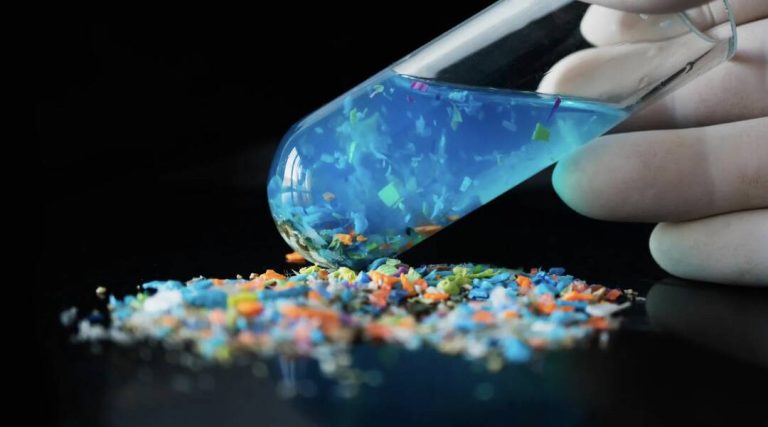
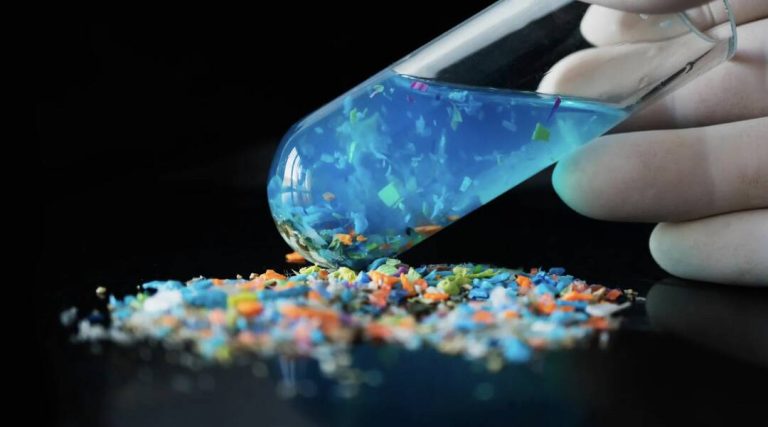
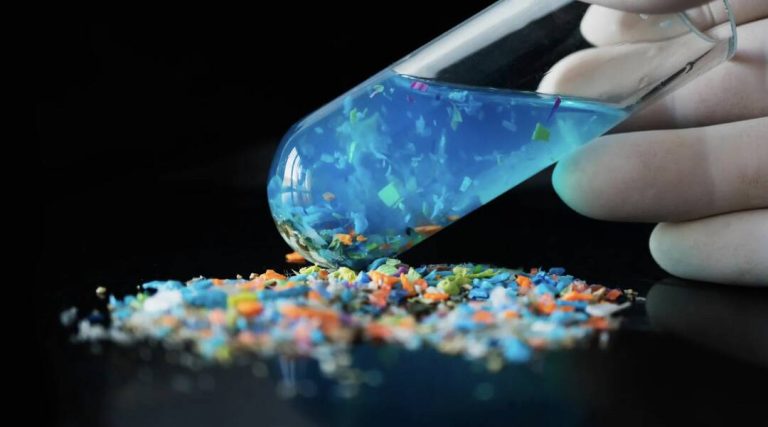
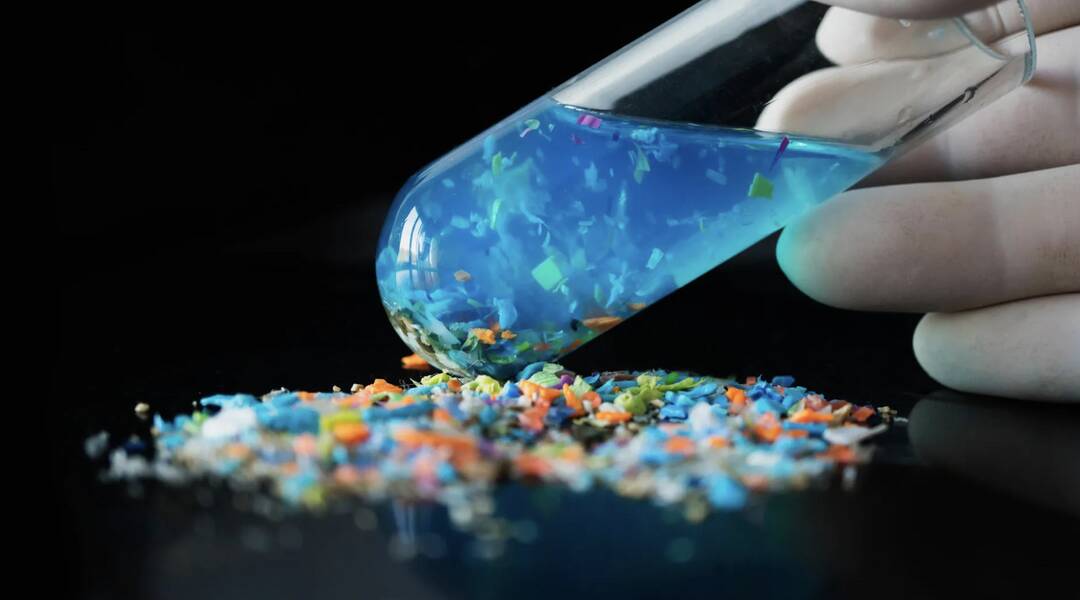
The world’s water bodies, including rivers, lakes, and oceans, are facing a growing threat from microplastics. These tiny plastic particles, which are less than 5 millimeters in size, have been found to be ubiquitous in aquatic environments, with severe consequences for the health of ecosystems and human populations. A recent study has shed new light on the impact of microplastics on water quality, revealing that they release invisible clouds of chemicals into the water, driven by sunlight. The findings of this study have significant implications for our understanding of the effects of microplastics on the environment and human health.
The study, which examined four common types of plastic, found that each type releases its own unique chemical mixture into the water. The researchers discovered that plastics labeled as biodegradable release the most chemicals, which is a surprising and alarming finding. Biodegradable plastics are often marketed as a more environmentally friendly alternative to traditional plastics, but this study suggests that they may be just as harmful, if not more so.
The chemicals released by microplastics are known as dissolved organic matter (DOM), which is a complex mixture of carbon-based compounds. DOM is a natural component of water, but the DOM released by microplastics is more biologically active than natural organic matter. This means that the chemicals released by microplastics can have a greater impact on aquatic ecosystems, including the growth and development of plants and animals.
The study found that the release of chemicals from microplastics is driven by sunlight, which causes the plastics to break down and release their chemical cargo into the water. This process can occur even in the absence of visible signs of degradation, such as cracking or crumbling. As a result, microplastics can continue to release chemicals into the water for extended periods, even after they have broken down into smaller pieces.
The implications of this study are far-reaching and have significant consequences for the health of aquatic ecosystems. The release of chemicals from microplastics can alter the chemistry of the water, making it more acidic or changing the levels of nutrients and other substances. This can have a ripple effect throughout the ecosystem, impacting the growth and development of plants and animals, as well as the overall biodiversity of the system.
The study’s findings also have significant implications for human health. Microplastics have been found in drinking water sources around the world, and the chemicals they release can be ingested by humans through the water they drink. While the exact health effects of microplastics and the chemicals they release are still not fully understood, it is clear that they have the potential to cause harm.
The study’s authors suggest that the release of chemicals from microplastics is a widespread problem that requires immediate attention. They recommend that policymakers and regulators take steps to reduce the amount of microplastics that enter the environment, through measures such as improved waste management and the development of more sustainable plastics.
In addition, the study highlights the need for further research into the effects of microplastics on aquatic ecosystems and human health. While the study provides new insights into the release of chemicals from microplastics, more work is needed to fully understand the scope and severity of the problem.
In conclusion, the study’s findings are a wake-up call for policymakers, regulators, and the general public. The release of invisible chemical clouds from microplastics is a significant environmental problem that requires immediate attention. By taking steps to reduce the amount of microplastics that enter the environment and investing in further research, we can work towards mitigating the impacts of microplastics on aquatic ecosystems and human health.
Source:
https://www.sciencedaily.com/releases/2025/12/251224032408.htm
About the Author