Microplastics leak invisible chemical clouds into water: Study
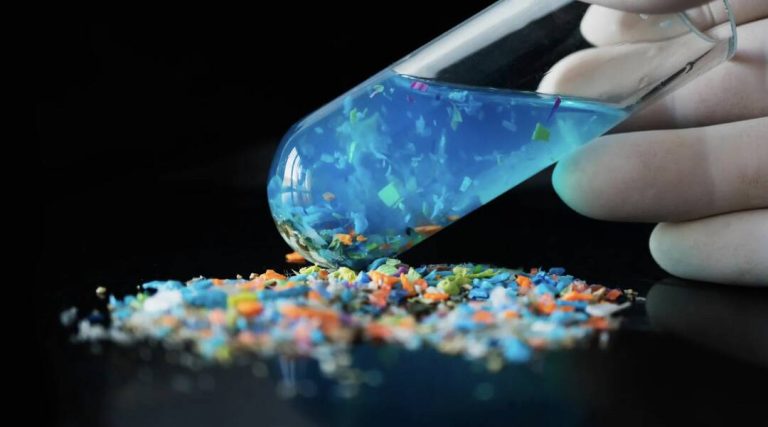
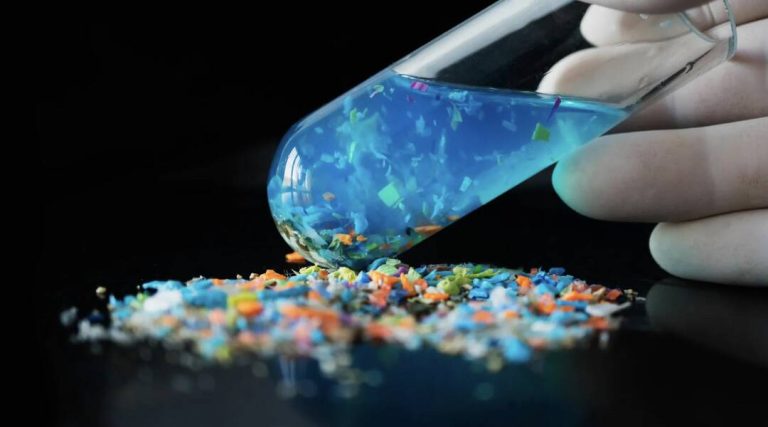
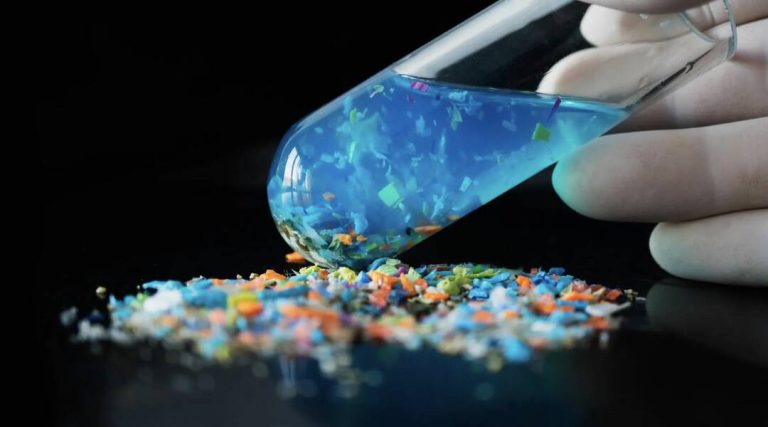
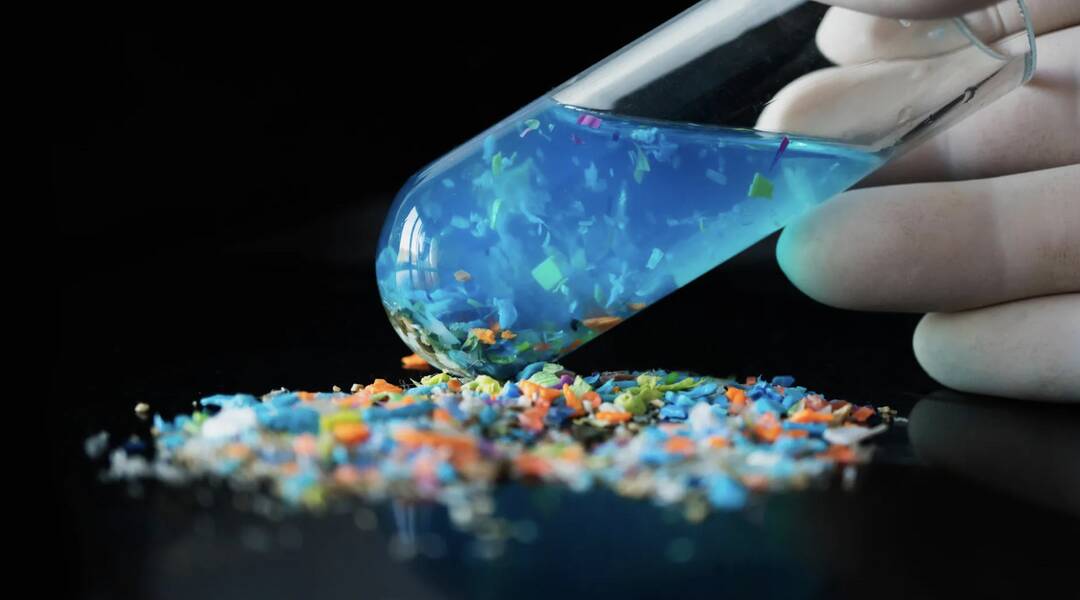
The world’s water bodies, including rivers, lakes, and oceans, are facing a growing threat from microplastics. These tiny plastic particles, which are less than 5 millimeters in size, have been found to be ubiquitous in aquatic environments, and their impact on the ecosystem is still not fully understood. However, a recent study has shed new light on the dangers of microplastics, revealing that they release invisible clouds of chemicals into the water, driven by sunlight.
The study, which examined four common types of plastics, found that each type releases its own unique chemical mixture into the water. The researchers discovered that the chemicals released by microplastics are not just limited to the plastic itself, but also include a range of other substances that are absorbed by the plastic from the surrounding environment. This means that microplastics can act as a vector for the transport of pollutants into aquatic ecosystems, with potentially significant consequences for the health of these ecosystems.
One of the most surprising findings of the study was that plastics labelled as biodegradable released the most chemicals into the water. This challenges the common assumption that biodegradable plastics are a more environmentally friendly alternative to traditional plastics. The study found that the dissolved organic matter (DOM) released by biodegradable plastics is more biologically active than natural organic matter, which means that it can have a greater impact on the ecosystem.
The release of chemicals from microplastics is driven by sunlight, which causes the plastic to break down and release its chemical payload into the water. This process is known as photodegradation, and it is an important mechanism by which microplastics can impact aquatic ecosystems. The study found that the rate of photodegradation varies depending on the type of plastic, with some plastics breaking down more quickly than others.
The implications of this study are significant, and they highlight the need for a more comprehensive approach to addressing the problem of microplastics in aquatic ecosystems. The release of invisible chemical clouds into the water can have a range of impacts on the ecosystem, from altering the chemistry of the water to affecting the health and behavior of aquatic organisms.
The study’s findings also have important implications for human health. Microplastics have been found in drinking water sources around the world, and the release of chemicals from these plastics could potentially pose a risk to human health. While the exact health impacts of microplastics are still not fully understood, the study’s findings suggest that the problem of microplastics is more complex and multifaceted than previously thought.
To address the problem of microplastics, a range of strategies will be needed. These could include reducing the amount of plastic that enters the environment, improving waste management systems, and developing new technologies to remove microplastics from the water. The study’s findings also highlight the need for more research into the impacts of microplastics on aquatic ecosystems, and the development of new policies and regulations to address this issue.
In conclusion, the study’s findings are a stark reminder of the need to take action to address the problem of microplastics in aquatic ecosystems. The release of invisible chemical clouds into the water is a complex and multifaceted issue, and it will require a comprehensive approach to solve. By reducing the amount of plastic that enters the environment, improving waste management systems, and developing new technologies to remove microplastics from the water, we can help to mitigate the impacts of microplastics and protect the health of our planet’s precious water resources.
The study’s findings are a wake-up call for policymakers, businesses, and individuals to take action to address the problem of microplastics. By working together, we can reduce the amount of plastic that enters the environment, and mitigate the impacts of microplastics on aquatic ecosystems. This will require a sustained effort, but the rewards will be worth it. By protecting the health of our planet’s water resources, we can help to ensure a healthy and sustainable future for generations to come.
News Source: https://www.sciencedaily.com/releases/2025/12/251224032408.htm
About the Author