Microplastics leak invisible chemical clouds into water: Study
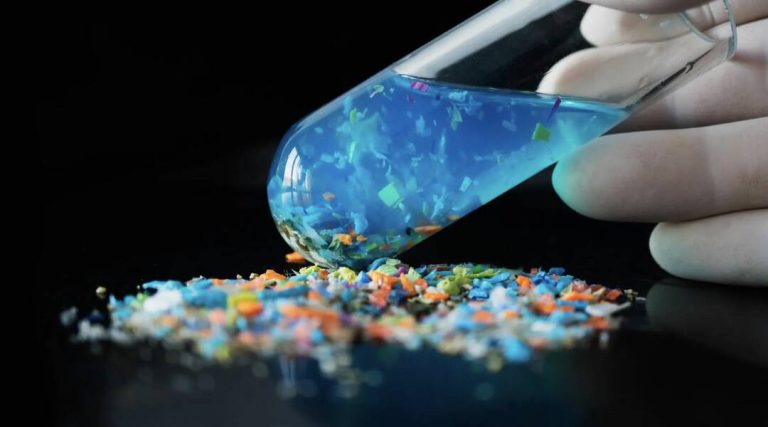
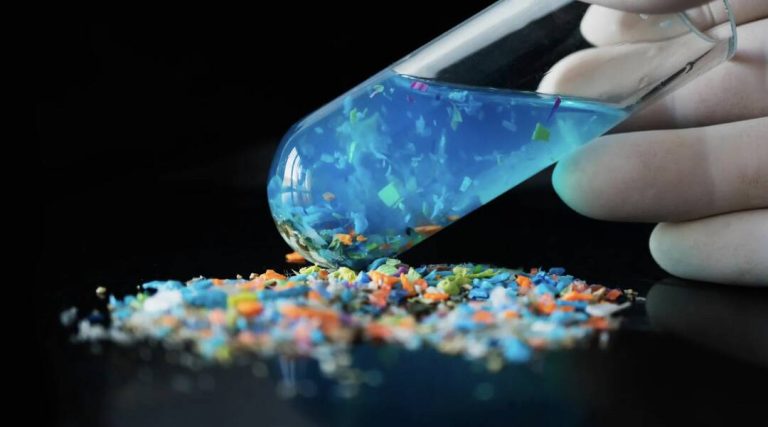
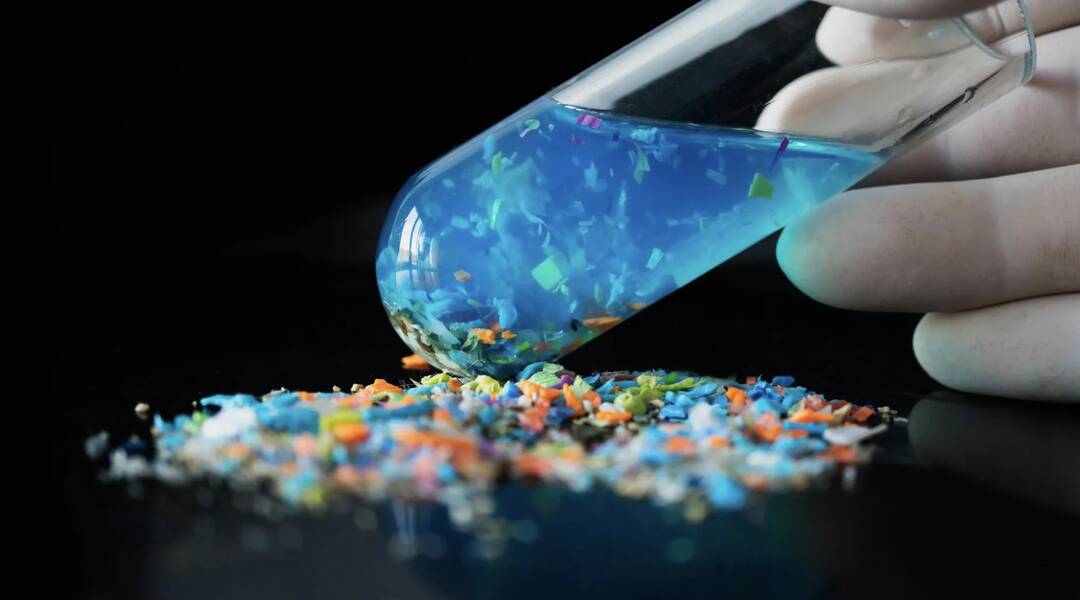
The world’s water bodies, including rivers, lakes, and oceans, are facing a significant threat from microplastics. These tiny plastic particles, which are less than 5 millimeters in size, have been found to release invisible clouds of chemicals into the water, driven by sunlight. A recent study has shed light on this issue, highlighting the dangers posed by microplastics to aquatic ecosystems.
The study, which examined four common plastic types, found that each releases its own unique chemical mixture into the water. This mixture is composed of dissolved organic matter (DOM), which is more biologically active than natural organic matter. The researchers discovered that plastics labelled as biodegradable release the most DOM, which is a surprising finding given their supposed eco-friendly nature.
The study’s findings have significant implications for the health of aquatic ecosystems. Microplastics have been found in water bodies all over the world, from the deepest oceans to the smallest streams. They can come from a variety of sources, including plastic bags, bottles, and microbeads in personal care products. When these microplastics are exposed to sunlight, they break down and release their chemical mixture into the water.
The researchers used a combination of laboratory experiments and field measurements to study the release of DOM from microplastics. They found that the type and amount of DOM released vary depending on the type of plastic and the amount of sunlight it is exposed to. The study’s lead author noted that the release of DOM from microplastics is a complex process, involving the breakdown of the plastic particles and the subsequent release of their chemical constituents.
The study’s findings are particularly concerning given the widespread presence of microplastics in water bodies. Microplastics have been found in drinking water sources, including tap water and bottled water. They have also been found in sea salt and other food products. The ingestion of microplastics has been linked to a range of health problems, including cancer, reproductive issues, and inflammation.
The study’s findings also highlight the need for a more nuanced understanding of the impact of microplastics on aquatic ecosystems. While microplastics are often seen as a physical problem, with plastic particles clogging up waterways and harming marine life, the study’s findings suggest that they also pose a chemical threat. The release of DOM from microplastics can have a range of effects on aquatic ecosystems, from altering the food chain to changing the chemistry of the water.
The study’s researchers are calling for further research into the impact of microplastics on aquatic ecosystems. They note that the release of DOM from microplastics is a complex process, and more study is needed to fully understand its effects. The researchers are also calling for policymakers to take action to reduce the amount of microplastics in water bodies. This could involve implementing policies to reduce plastic waste, increasing funding for research into microplastics, and promoting the use of biodegradable alternatives to traditional plastics.
In conclusion, the study’s findings highlight the significant threat posed by microplastics to aquatic ecosystems. The release of invisible chemical clouds from microplastics is a complex process, involving the breakdown of plastic particles and the subsequent release of their chemical constituents. The study’s findings have significant implications for the health of aquatic ecosystems, and underscore the need for further research and policy action to address the problem of microplastics.
As the world continues to grapple with the problem of microplastics, it is clear that more needs to be done to protect aquatic ecosystems. The study’s findings are a wake-up call, highlighting the need for urgent action to reduce the amount of microplastics in water bodies. By working together, we can reduce the impact of microplastics and protect the health of our planet’s vital water resources.
Source:
https://www.sciencedaily.com/releases/2025/12/251224032408.htm
About the Author