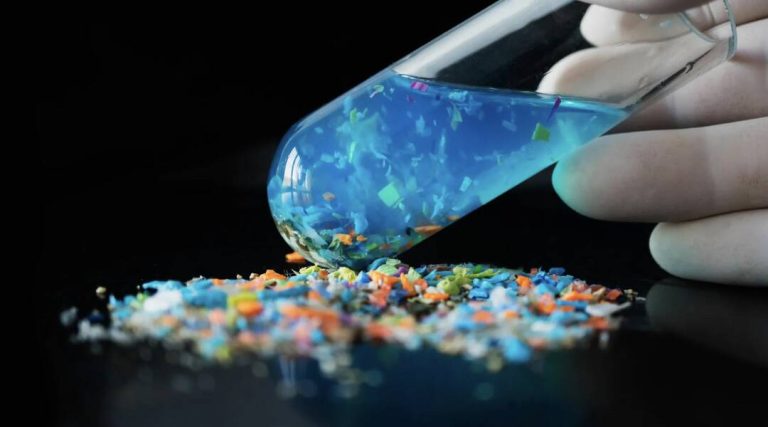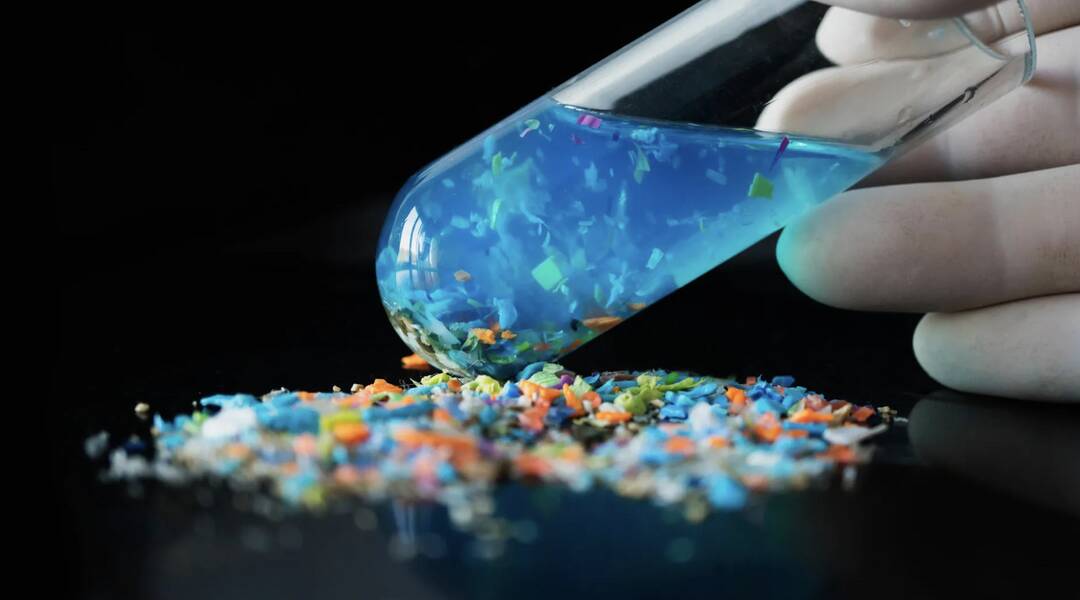
Microplastics leak invisible chemical clouds into water: Study
The world’s water bodies, from rivers and lakes to oceans, are facing a plethora of threats, including pollution from microplastics. These tiny plastic particles, which are less than 5 millimeters in size, have been found to have devastating effects on aquatic life and the environment as a whole. Recently, a study has shed light on a new and previously unknown impact of microplastics on water bodies. According to the study, microplastics in rivers, lakes, and oceans release invisible clouds of chemicals into the water, driven by sunlight. This phenomenon has significant implications for the health of aquatic ecosystems and the planet as a whole.
The study, which examined four common plastic types, found that each releases its own unique chemical mixture into the water. The researchers were surprised to discover that plastics labelled as biodegradable released the most chemicals, highlighting the need for a reassessment of the term “biodegradable” and its implications for environmental sustainability. The study’s findings suggest that the dissolved organic matter (DOM) released by microplastics is more biologically active than natural organic matter, which can have far-reaching consequences for aquatic life and ecosystems.
One of the most significant findings of the study is the role of sunlight in driving the release of chemicals from microplastics. When exposed to sunlight, microplastics undergo a process called photodegradation, which breaks down the plastic particles into smaller fragments and releases chemicals into the water. This process can occur even in the absence of visible signs of degradation, making it difficult to detect and monitor. The study’s authors note that this invisible release of chemicals can have significant impacts on aquatic life, from altering the chemistry of the water to affecting the growth and development of organisms.
The study’s findings have significant implications for our understanding of the impacts of microplastics on the environment. Microplastics have been shown to be present in water bodies around the world, from the deepest oceans to the smallest streams. They can come from a variety of sources, including plastic bags, bottles, and microbeads, and can be transported through the water column by currents and winds. The release of chemicals from microplastics can affect not only the aquatic life that inhabits these ecosystems but also human health, as people consume water and seafood that may be contaminated with microplastics and their associated chemicals.
The study’s authors note that the release of chemicals from microplastics is a complex process that involves a range of factors, including the type of plastic, the intensity of sunlight, and the chemistry of the water. They suggest that further research is needed to fully understand the impacts of microplastics on aquatic ecosystems and to develop effective strategies for mitigating these impacts. This may involve reducing the amount of plastic that enters the environment, developing new technologies for removing microplastics from water bodies, and promoting sustainable practices that minimize the use of plastics.
In addition to the environmental implications, the study’s findings also have significant economic and social implications. The release of chemicals from microplastics can affect the livelihoods of people who depend on fishing and tourism, as well as the overall health and well-being of communities that rely on water bodies for drinking water and recreation. The study’s authors note that addressing the issue of microplastics will require a coordinated effort from governments, industries, and individuals around the world.
In conclusion, the study’s findings highlight the need for a renewed focus on the impacts of microplastics on the environment. The release of invisible chemical clouds from microplastics is a previously unknown threat that has significant implications for aquatic ecosystems and human health. As we move forward, it is essential that we prioritize research and development of effective strategies for mitigating the impacts of microplastics, as well as promoting sustainable practices that minimize the use of plastics. By working together, we can reduce the amount of plastic that enters the environment and protect the health of our planet for future generations.
Source:
https://www.sciencedaily.com/releases/2025/12/251224032408.htm
About the Author