Microplastics leak invisible chemical clouds into water: Study
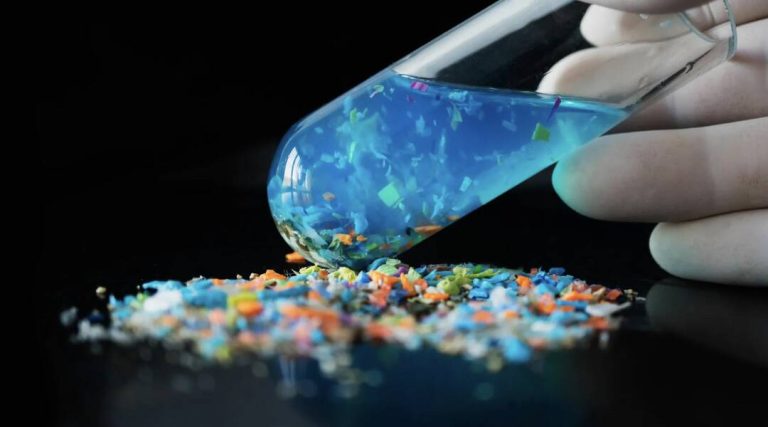
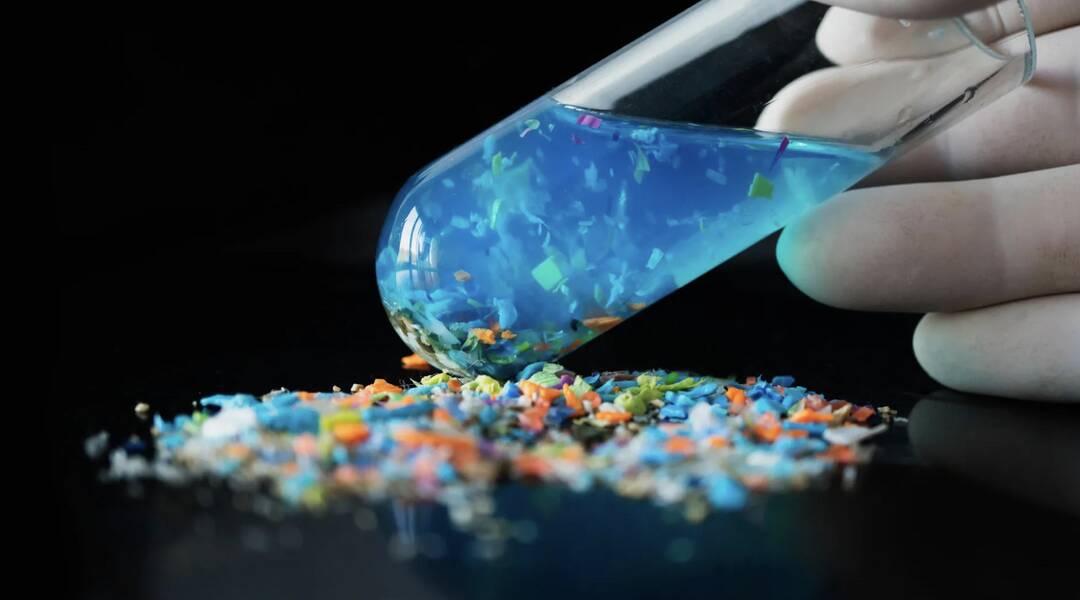
The presence of microplastics in our environment has been a topic of concern for several years, with research highlighting the potential harm they can cause to marine life and the ecosystem as a whole. A recent study has shed more light on the issue, revealing that microplastics in rivers, lakes, and oceans release invisible clouds of chemicals into the water, driven by sunlight. This groundbreaking research has significant implications for our understanding of the impact of microplastics on the environment and human health.
The study, which examined four common plastic types, found that each releases its own unique chemical mixture into the water. What’s more, plastics labelled as biodegradable were found to release the most chemicals, raising questions about the effectiveness of these supposedly eco-friendly alternatives. The researchers also discovered that the dissolved organic matter (DOM) released by microplastics is more biologically active than natural organic matter, which could have far-reaching consequences for the health of our planet.
To understand the significance of these findings, it’s essential to delve into the world of microplastics and their impact on the environment. Microplastics are small plastic particles that are less than 5 millimeters in size, and they can come from a variety of sources, including the breakdown of larger plastic items, microbeads in personal care products, and synthetic fibers from clothing. Once they enter the environment, microplastics can be transported long distances by wind, water, and ice, eventually ending up in rivers, lakes, and oceans.
The study’s focus on the chemical clouds released by microplastics is particularly noteworthy. When microplastics are exposed to sunlight, they undergo a process called photochemical degradation, which causes them to break down and release a mixture of chemicals into the water. These chemicals can include a range of substances, from simple organic compounds to more complex pollutants like polycyclic aromatic hydrocarbons (PAHs) and plastic additives.
The fact that each type of plastic releases its own unique chemical mixture is a crucial finding, as it suggests that the impact of microplastics on the environment will depend on the specific types of plastics present. For example, the study found that polyethylene, a common plastic used in packaging and bags, releases a mixture of chemicals that includes alkanes, alkenes, and aromatic compounds. In contrast, polypropylene, a plastic used in a wide range of applications, including textiles and automotive parts, releases a different mixture of chemicals that includes aldehydes and ketones.
The discovery that biodegradable plastics release the most chemicals is perhaps the most surprising finding of the study. Biodegradable plastics are often marketed as a more environmentally friendly alternative to traditional plastics, as they are designed to break down more quickly in the environment. However, the study’s results suggest that this breakdown process may actually contribute to the release of more chemicals into the water, rather than reducing the amount of plastic waste.
The implications of this research are far-reaching and have significant consequences for the health of our planet. The release of invisible chemical clouds into the water can have a range of effects on aquatic ecosystems, from altering the chemistry of the water to affecting the growth and development of plants and animals. The fact that the DOM released by microplastics is more biologically active than natural organic matter means that it could play a key role in shaping the ecosystems of rivers, lakes, and oceans.
In light of these findings, it’s clear that more needs to be done to address the issue of microplastics in the environment. This includes reducing the amount of plastic waste that enters the environment, increasing the use of biodegradable plastics, and developing more effective methods for removing microplastics from the water. Additionally, further research is needed to fully understand the impact of microplastics on the environment and human health, as well as to develop effective strategies for mitigating their effects.
In conclusion, the study’s findings highlight the complex and multifaceted nature of the microplastics problem. The release of invisible chemical clouds into the water is just one aspect of the issue, and it’s clear that more research is needed to fully understand the implications of microplastics for the environment and human health. As we move forward, it’s essential that we prioritize the development of effective solutions to address the problem of microplastics, from reducing plastic waste to developing more sustainable alternatives to traditional plastics.
News source: https://www.sciencedaily.com/releases/2025/12/251224032408.htm
About the Author