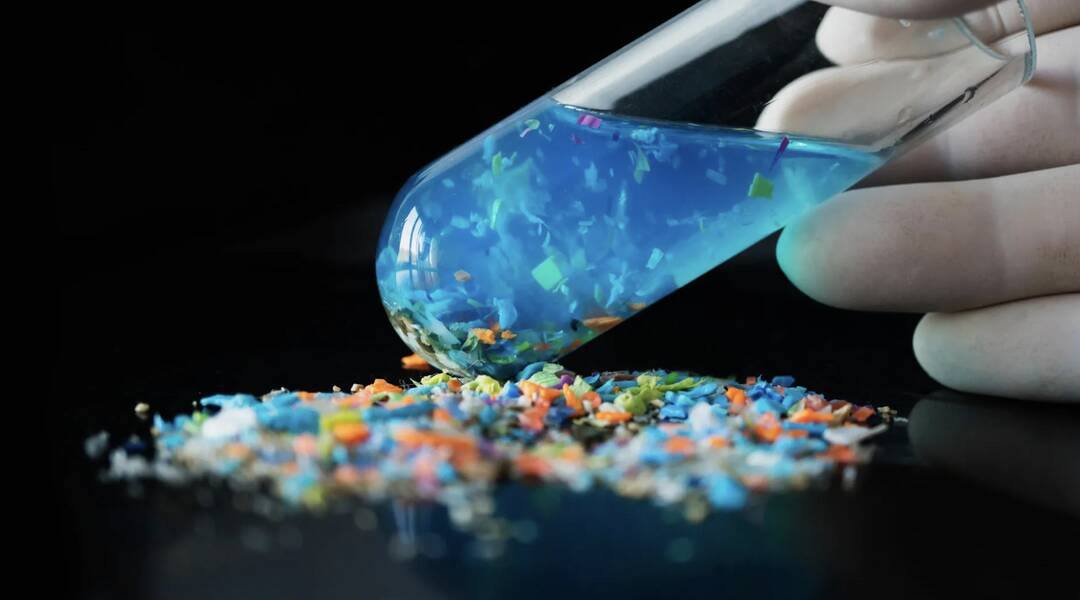
Microplastics leak invisible chemical clouds into water: Study
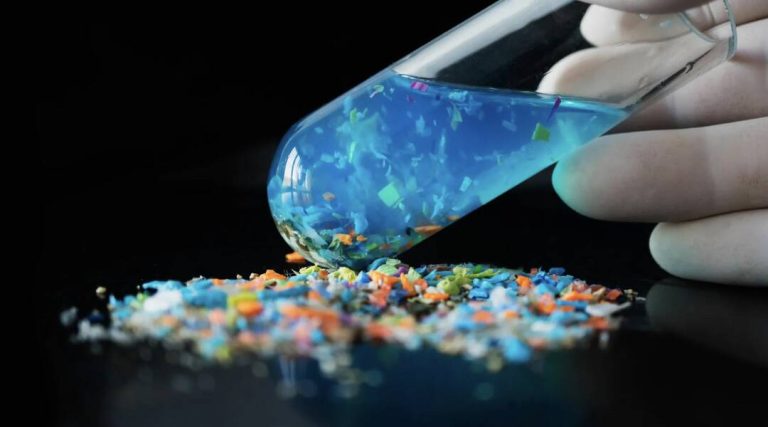
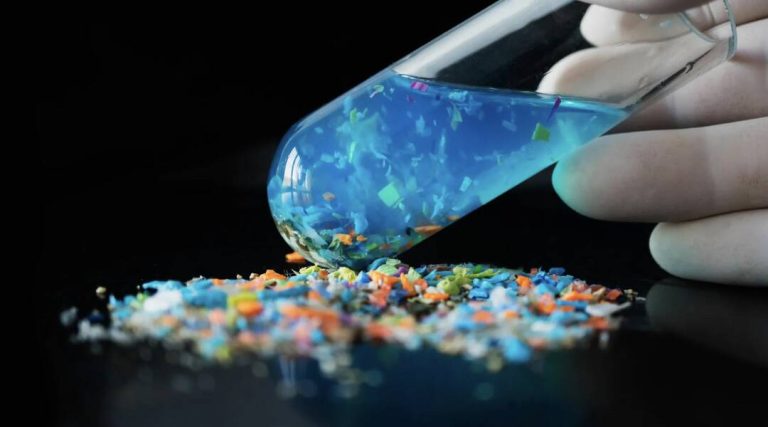
The world’s water bodies, including rivers, lakes, and oceans, are facing a significant threat from microplastics. These tiny plastic particles, which are less than 5 millimeters in size, have been found to release invisible clouds of chemicals into the water, driven by sunlight. A recent study has shed light on this alarming phenomenon, highlighting the dangers posed by microplastics to aquatic ecosystems.
The study, which examined four common plastic types, found that each releases its own unique chemical mixture into the water. The plastics labeled as biodegradable were found to release the most chemicals, which is a surprising and concerning discovery. The dissolved organic matter (DOM) released by microplastics was also found to be more biologically active than natural organic matter, which can have significant implications for the health of aquatic ecosystems.
Microplastics have been a growing concern in recent years, with studies showing that they are ingested by a wide range of aquatic animals, from small fish to large mammals. The ingestion of microplastics can lead to physical harm, toxicity, and even death. However, the release of invisible chemical clouds by microplastics is a new and worrying development, as it can affect not just the animals that ingest them but also the entire ecosystem.
The study found that the chemicals released by microplastics include a range of compounds, such as plastics additives, pollutants, and other organic chemicals. These chemicals can come from the plastic itself or from the environment, and they can be released through a process called photodegradation, which occurs when sunlight breaks down the plastic. The researchers used a combination of laboratory experiments and field measurements to study the release of chemicals from microplastics and found that the process is widespread and occurs in all types of water bodies.
The fact that biodegradable plastics release the most chemicals is a surprising finding, as these plastics are often marketed as a more environmentally friendly alternative to traditional plastics. However, the study suggests that biodegradable plastics may not be as benign as previously thought, and their use could potentially exacerbate the problem of microplastic pollution.
The release of invisible chemical clouds by microplastics can have significant implications for aquatic ecosystems. The chemicals released by microplastics can alter the chemistry of the water, affecting the growth and survival of aquatic plants and animals. They can also accumulate in the food chain, potentially harming humans who consume seafood.
The study’s findings highlight the need for urgent action to address the problem of microplastic pollution. This can include reducing the use of plastics, improving waste management, and increasing recycling rates. It is also essential to develop new technologies and strategies for removing microplastics from the environment and mitigating their impacts on aquatic ecosystems.
In addition to these measures, there is a need for further research on the effects of microplastics on aquatic ecosystems. This can include studies on the toxicity of microplastics, the impacts of microplastic ingestion on animal health, and the role of microplastics in the transport of pollutants through the environment.
In conclusion, the study’s findings on the release of invisible chemical clouds by microplastics are a wake-up call for policymakers, researchers, and the general public. The problem of microplastic pollution is complex and multifaceted, and it requires a comprehensive and coordinated response. By working together, we can reduce the impacts of microplastics on aquatic ecosystems and protect the health of our planet.
News Source: https://www.sciencedaily.com/releases/2025/12/251224032408.htm
About the Author