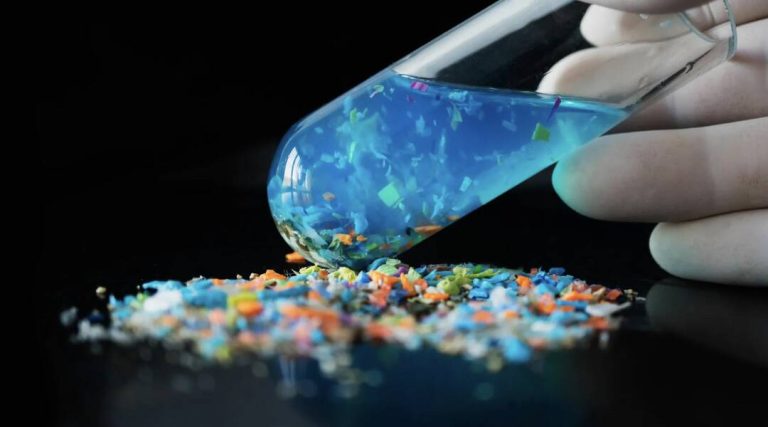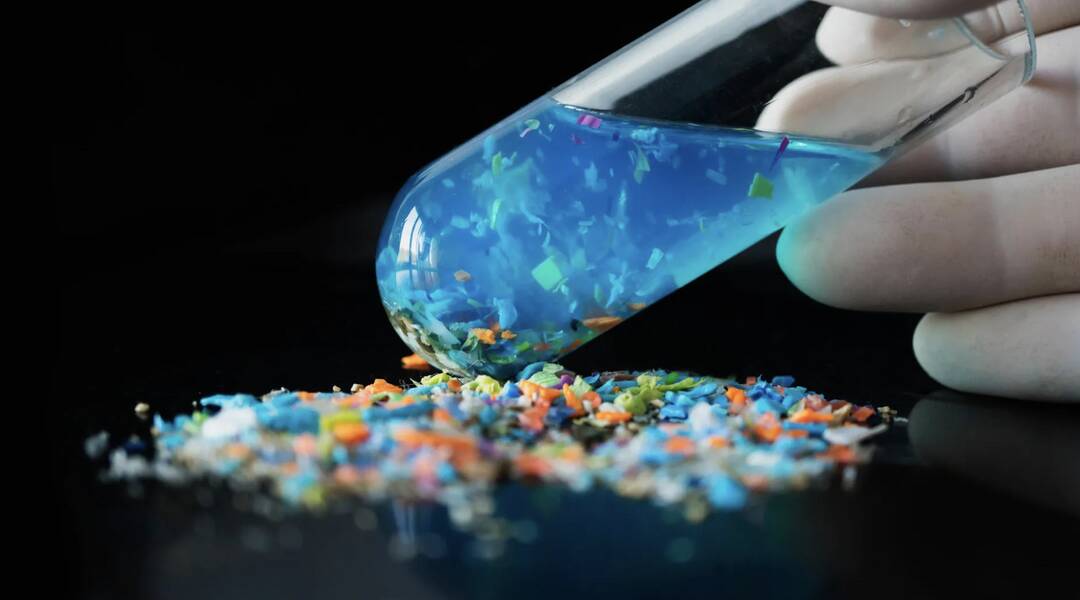
Microplastics leak invisible chemical clouds into water: Study
The world’s water bodies, from the smallest lakes to the vast oceans, are facing a myriad of threats due to human activities. One of the most significant and pervasive of these threats is the presence of microplastics. These tiny plastic particles, less than 5 millimeters in size, have been found in almost every corner of the globe, from the depths of the ocean to the highest mountains. Recent research has shed new light on the dangers posed by microplastics, revealing that they release invisible clouds of chemicals into the water, driven by sunlight. This study, which examined four common plastic types, found that each releases its own unique chemical mixture, with plastics labelled as biodegradable releasing the most.
The impact of microplastics on the environment has been a subject of intense study in recent years. While their physical effects, such as entanglement and blockage of digestive tracts in marine life, are well-documented, the chemical implications of their presence in water bodies have only begun to be understood. The study in question provides a deeper insight into how microplastics interact with their surroundings, particularly in response to sunlight. It suggests that when exposed to solar radiation, microplastics undergo a process that leads to the release of dissolved organic matter (DOM) into the water. This DOM is not just a passive byproduct; it is chemically active and can interact with other components of the aquatic ecosystem.
One of the most striking findings of the study is the variation in the chemical mixtures released by different types of plastics. The researchers examined four common plastic types, including those labelled as biodegradable, and found that each has a unique “fingerprint” of chemicals that it releases into the water. This discovery underscores the complexity of the issue, as it suggests that the impact of microplastics on aquatic ecosystems cannot be generalized across all types of plastics. Instead, each type of plastic may have its own specific effects, necessitating a more nuanced approach to understanding and mitigating these impacts.
Perhaps the most alarming aspect of the study’s findings is the revelation that biodegradable plastics release the most chemicals into the water. The term “biodegradable” might imply a more environmentally friendly product, but in the context of microplastics, it appears that this is not the case. The chemicals released by biodegradable plastics are not only more abundant but also more biologically active than those from other types of plastics. This means that while biodegradable plastics may break down more quickly into smaller pieces, they also contribute more significantly to the chemical pollution of water bodies.
The biological activity of the DOM released by microplastics is a critical aspect of this study. The researchers found that the DOM from microplastics is more biologically active than natural organic matter, which is the organic matter that naturally occurs in water bodies. This heightened biological activity can have various implications for aquatic ecosystems, including the potential to alter nutrient cycles, influence the growth and reproduction of aquatic organisms, and even affect the composition of microbial communities. The long-term consequences of these changes could be profound, leading to shifts in the structure and function of ecosystems.
The study’s findings also raise important questions about the management and regulation of plastics, particularly those labelled as biodegradable. If biodegradable plastics are contributing significantly to the chemical pollution of water bodies, then their use and disposal need to be carefully reconsidered. This might involve stricter regulations on the production and labelling of biodegradable plastics, as well as public education campaigns to raise awareness about the potential environmental impacts of these products.
Furthermore, the study highlights the need for more research into the effects of microplastics on aquatic ecosystems. While the current study provides valuable insights into the chemical implications of microplastic presence in water, there is still much to be learned. For example, the long-term effects of exposure to the chemicals released by microplastics on aquatic organisms and ecosystems are not well understood. Additionally, the study focused on the impact of sunlight on microplastics, but other environmental factors, such as temperature and water chemistry, could also influence the release and effects of these chemicals.
In conclusion, the recent study on microplastics and their release of invisible chemical clouds into water, driven by sunlight, offers a sobering look at the unintended consequences of human activities on the environment. The findings underscore the complexity of the issue, highlighting the need for a more nuanced understanding of how different types of plastics interact with aquatic ecosystems. As the world grapples with the challenges posed by microplastics, studies like this one provide critical information that can inform policy, management, and individual actions aimed at mitigating these impacts.
News Source: https://www.sciencedaily.com/releases/2025/12/251224032408.htm
About the Author