Microplastics leak invisible chemical clouds into water: Study
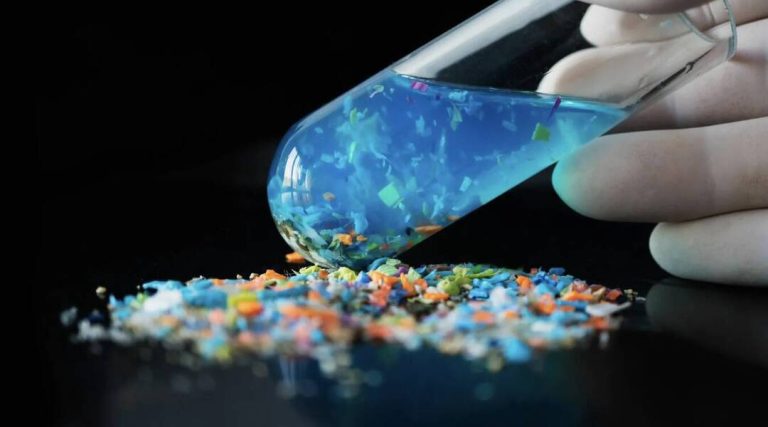
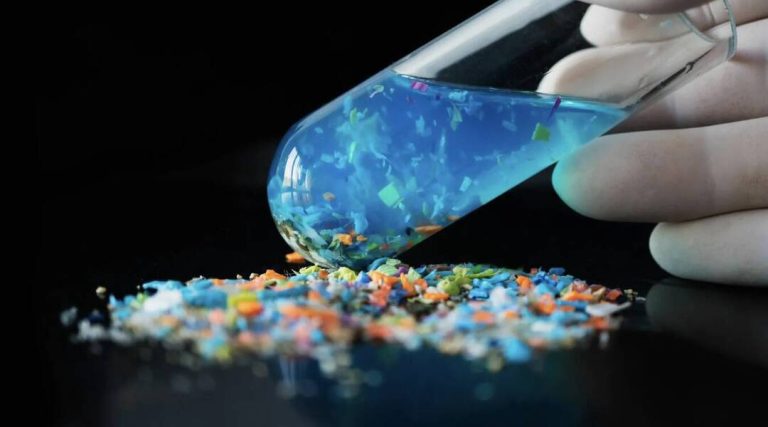
The world’s water bodies, from rivers and lakes to oceans, are facing a growing threat from microplastics. These tiny plastic particles, which are less than 5 millimeters in size, have been found to be ubiquitous in aquatic environments, with severe consequences for the health of ecosystems and human populations. A recent study has shed new light on the impact of microplastics on water quality, revealing that they release invisible clouds of chemicals into the water, driven by sunlight. The findings of this study have significant implications for our understanding of the effects of microplastics on the environment and human health.
The study, which examined four common types of plastics, including polyethylene, polypropylene, polyvinyl chloride, and polystyrene, found that each type of plastic releases its own unique mixture of chemicals into the water. These chemicals are dissolved organic matter (DOM), which is a complex mixture of carbon-based compounds that can be found in all natural waters. However, the DOM released by microplastics is different from natural DOM, with a higher degree of biological activity. This means that the chemicals released by microplastics can have a greater impact on aquatic ecosystems than natural DOM.
One of the most surprising findings of the study was that plastics labelled as biodegradable release the most chemicals into the water. Biodegradable plastics are designed to break down more quickly than traditional plastics, but the study found that this breakdown process releases a large amount of chemicals into the water. This challenges the assumption that biodegradable plastics are a more environmentally friendly alternative to traditional plastics.
The study also found that the release of chemicals from microplastics is driven by sunlight. When microplastics are exposed to sunlight, they undergo a process called photodegradation, which breaks down the plastic into smaller particles and releases chemicals into the water. This means that the impact of microplastics on water quality is not just limited to the physical presence of the plastic particles, but also to the chemicals that they release into the water.
The release of invisible chemical clouds into the water has significant implications for aquatic ecosystems. These chemicals can be toxic to aquatic organisms, and can also alter the balance of ecosystems. For example, the chemicals released by microplastics can stimulate the growth of algae, which can lead to the formation of harmful algal blooms. These blooms can be toxic to aquatic organisms, and can also reduce the oxygen levels in the water, leading to the death of fish and other aquatic animals.
The study’s findings also have implications for human health. The chemicals released by microplastics can accumulate in the food chain, and can be ingested by humans through the consumption of fish and other seafood. This can lead to the exposure of humans to toxic chemicals, which can have a range of health effects, including cancer, reproductive problems, and neurological damage.
The study’s findings highlight the need for urgent action to reduce the amount of microplastics in the environment. This can be achieved through a range of measures, including the reduction of plastic waste, the improvement of waste management infrastructure, and the development of more sustainable plastic products. Governments, businesses, and individuals all have a role to play in reducing the impact of microplastics on the environment.
In conclusion, the study’s findings provide new insights into the impact of microplastics on water quality. The release of invisible chemical clouds into the water, driven by sunlight, is a previously unknown consequence of microplastic pollution. The study’s findings highlight the need for urgent action to reduce the amount of microplastics in the environment, and to develop more sustainable plastic products. By working together, we can reduce the impact of microplastics on the environment and protect the health of aquatic ecosystems and human populations.
News Source: https://www.sciencedaily.com/releases/2025/12/251224032408.htm
About the Author